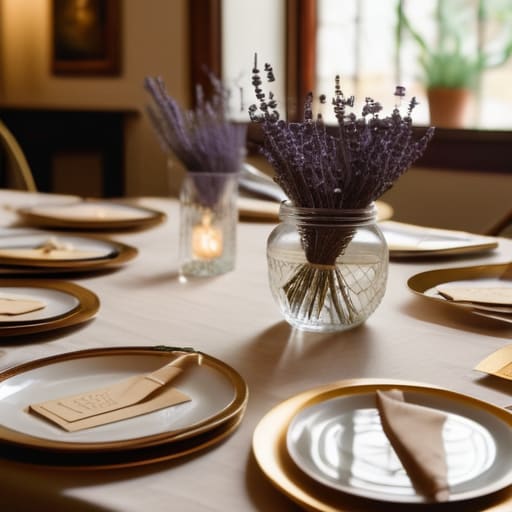
I once watched a bride spend three hours agonising over the calligraphy on her place cards, only to have the entire evening descend into a slow-motion riot because she’d seated her feuding aunt next to her ex-husband. Most wedding blogs will tell you that deciding how table plans are made is an exercise in aesthetic harmony and choosing the right font. They’re wrong. A table plan isn’t a piece of decor; it is a tactical deployment of human beings designed to prevent social friction and, more importantly, to stop your guests from forming a massive, angry bottleneck around the buffet line.
I’m not here to talk to you about color palettes or whether linen napkins match the seating chart. I’m going to show you how to build a plan that actually works when the wine starts flowing and the speeches go twenty minutes over. We’re going to look at the unseen physics of the room—the flow of traffic, the proximity to the speakers, and the strategic placement of the loud relatives. I’ll give you the blueprint for a layout that keeps the peace and keeps the service moving, because a beautiful room means nothing if your guests are too busy navigating social minefields to actually enjoy their dinner.
Table of Contents
Event Guest List Management and the Illusion of Choice
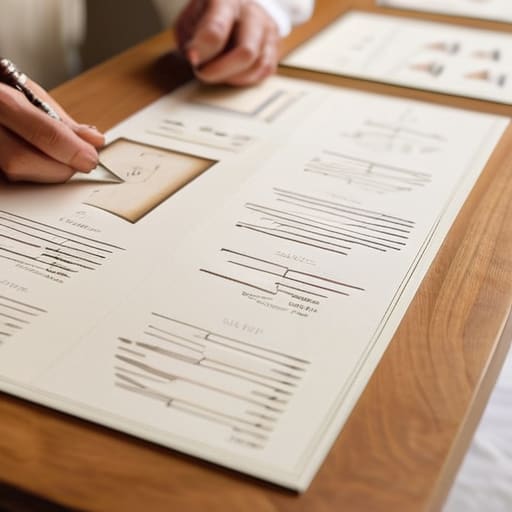
Everyone thinks they want total freedom when they start event guest list management, but they don’t realize that “freedom” is just another word for a logistical nightmare. Most couples come to me with a list of names and a vague sense of “we want everyone to get along.” They treat the guest list like a democracy, but a wedding isn’t a parliament; it’s a delicate ecosystem. If you let every aunt and cousin vote on where they sit, you aren’t planning a party, you’re hosting a civil war.
The reality is that the guest list is often an illusion of choice. You think you’re choosing people, but you’re actually managing social dynamics at dinner parties that have been simmering for decades. I’ve seen a single misplaced name on a seating chart turn a quiet cocktail hour into a tense standoff between two ex-spouses who haven’t spoken since 2014. You aren’t just placing names on paper; you are strategically deploying people to ensure the energy in the room doesn’t flatline before the first course is even served.
Optimizing Guest Interaction Through Strategic Proximity
Most people think a table plan is just about making sure Uncle Arthur doesn’t sit next to the cousin he hasn’t spoken to since the 2014 Christmas debacle. In reality, you are playing a high-stakes game of social engineering. When I look at a floor plan, I’m not looking at names; I’m looking at social dynamics at dinner parties and how they translate into noise levels and energy. If you cluster all the high-energy wedding party guests around the speakers, you’ve effectively created a dead zone for the older relatives who actually want to hear the speeches. You want to balance the room so the energy flows rather than pools in one corner and dies in the other.
This is where optimizing guest interaction becomes a tactical exercise rather than a polite suggestion. You have to consider the “buffer zones”—placing a couple of easy-going, conversationalists between two groups that have zero common ground. It’s about preventing that awkward, heavy silence that settles over a table when the wine is flowing but the conversation has hit a brick wall. If you get the proximity right, the room hums; if you get it wrong, you’re just managing a room full of people staring at their phones.
The Battle Plan: Five Rules for Not Ruining Your Reception
- Stop treating the table plan like a social experiment and start treating it like a wayfinding exercise. If a guest has to wander around the room for ten minutes squinting at a tiny chalkboard because you put the ‘Old School Friends’ table in a dark corner behind a pillar, you’ve already lost the room. Put the plan where the light is, make the font big enough for your Great Aunt Sheila to read, and for God’s sake, don’t hide it behind a floral installation.
- The ‘Buffer Zone’ Principle. Never, under any circumstances, seat the loud, boisterous group of cousins right next to the elderly relatives who just want to hear the person next to them speak. You aren’t just arranging chairs; you are managing decibel levels. If you put the stag party next to the grandparents, you aren’t being ‘eclectic,’ you’re being a bad manager.
- The Buffet Bottleneck. If you are doing a buffet rather than a plated service, your table plan dictates your entire evening’s flow. Don’t put the biggest tables at the very end of the service line. You’ll end up with a massive queue of hungry people blocking the path to the bar, and once people get ‘hangry,’ the atmosphere dies faster than a cheap champagne toast.
- The Power of the ‘Pivot Table.’ Always leave a little bit of breathing room around the larger tables. People don’t just sit; they stand up, they lean back, they move to talk to the person at the next table. If your layout is so tight that guests have to shimmy past seated people just to reach the restroom, you’re creating a physical bottleneck that will stall the entire event.
- Account for the ‘Empty Chair’ Anxiety. When you’re making the plan, don’t just think about who is sitting; think about who isn’t. If you have a table of six and you’ve seated five, that empty chair becomes a magnet for awkwardness or a landing pad for abandoned coats. I’ve seen more tension caused by a poorly distributed guest list than by any bad marriage vows. Plan for the gaps so the room feels full, even when it isn’t.
The Final Layout
At the end of the day, a table plan is less about aesthetic symmetry and more about managing the unpredictable human element. You’ve navigated the guest list politics, you’ve calculated the proximity of the loud uncle to the elderly grandmother, and you’ve accounted for the flow of traffic between the bar and the buffet. If you’ve done it right, you haven’t just arranged names on a piece of card; you’ve built a logistical framework that prevents the evening from descending into a series of awkward silences or, worse, a bottleneck at the entrance. Remember, once the first guest walks through those doors, the plan is no longer a document—it is a living, breathing mechanism that dictates how the entire room feels.
Don’t let the stress of the seating chart convince you that the logistics are more important than the celebration itself. The reason we obsess over these tiny, granular details—the spacing, the groupings, the movement—is to create the illusion of effortless grace. When the timings are tight and the layout is sound, the guests don’t see the math; they just feel like they are having a wonderful time. My job is to make sure the room works so that your only job is to actually be present in it. Plan the chaos thoroughly, then step back and let the night happen.
Frequently Asked Questions
How do I handle the "difficult" guests—the ones who shouldn't sit together but can't be separated without causing a scene?
You don’t solve this with a conversation; you solve it with distance and buffers. I call it the “buffer zone” method. You don’t just put them at different tables—that’s a tactical error that invites a confrontation. You put them at different tables, then you place your most socially agile, high-energy guests in the seats between them. You use the layout to create a physical and psychological moat, ensuring the friction stays contained.
What is the actual math behind how much space a table needs so we don't end up with guests trapped in their chairs?
You don’t calculate space by the diameter of the table; you calculate it by the radius of the human being. A standard 60-inch round is fine for a quick lunch, but for a wedding, you need at least 60 inches of “clearance” between tables. That’s the buffer for the chair being pulled out, the guest leaning back, and—crucially—the server trying to get a tray of hot plates past them without a collision. If you don’t budget that extra meter, you aren’t hosting a dinner; you’re hosting a human traffic jam.
How much buffer time do I need to build into the plan for when the speeches run long and the food starts getting cold?
If you’re planning for zero margin, you’ve already lost. I always build in a fifteen-minute “ghost buffer” after every major transition. Speeches are the primary offender; they never stick to the script, and Uncle Bob’s anecdote about the 1994 fishing trip is never thirty seconds. If the speeches run twenty minutes over, that buffer absorbs the blow so your hot food doesn’t turn into a lukewarm tragedy. Plan for the delay, or pay for it in cold plates.