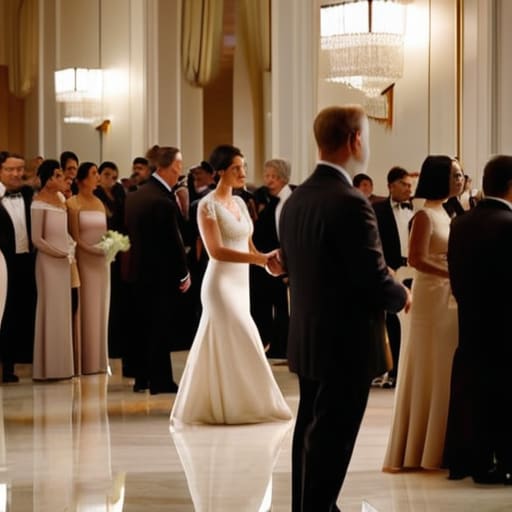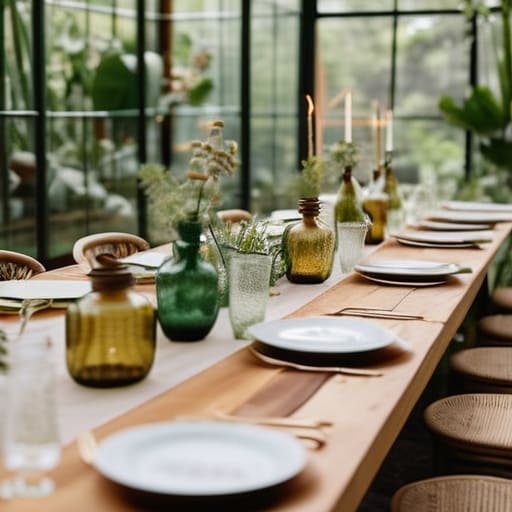
If you spend any time on Pinterest, you’ll be convinced that learning how to plan a small wedding is all about finding the perfect shade of eucalyptus or a vintage lace runner that costs more than my first car. It’s a lie. I’ve spent eighteen years watching people pour their entire life savings into aesthetic “micro-wedding” packages, only to realize they haven’t accounted for the fact that thirty people in a tiny courtyard creates a logistical bottleneck that even the most expensive florist can’t fix. You don’t need more mood boards; you need to know if your chosen venue has enough power for the band or if your guests are going to be standing around parched because the transition from the ceremony to the drinks reception wasn’t timed to the minute.
I’m not here to sell you on a dream; I’m here to help you manage the reality. I’m going to strip away the fluff and show you how to handle the actual mechanics—the unseen moving parts like vendor access, floor plans that actually work, and how to respect your licence end without a frantic rush. This is about making sure your day feels effortless, which, as I’ve learned over nine hundred weddings, only happens when the logistics are bulletproof.
Table of Contents
Elopement vs Small Wedding Choosing Your Level of Chaos

People tend to use “elopement” and “small wedding” interchangeably, but from where I stand behind the bar, they are two entirely different beasts. An elopement is a tactical strike: just you, your partner, and a legal witness, usually moving fast and leaving very little room for error. It’s the ultimate minimalist approach, but don’t let the simplicity fool you. Even with two people, you still need to figure out where you’re standing, who’s taking the photos, and how you’re actually getting a decent meal without it feeling like a rushed snack.
A small wedding, however, is a different kind of beast entirely. This is where intimate wedding guest list management becomes your primary battlefield. Once you move from “just us” to “us plus twenty cousins and a best friend,” you suddenly have to worry about chair counts, dietary requirements, and whether the venue can actually handle the flow of people. You aren’t just choosing a vibe; you are navigating the nuances of elopement vs small wedding logistics. One is about simplicity; the other is about controlled complexity.
Small Wedding Venue Selection When Space Is a Resource
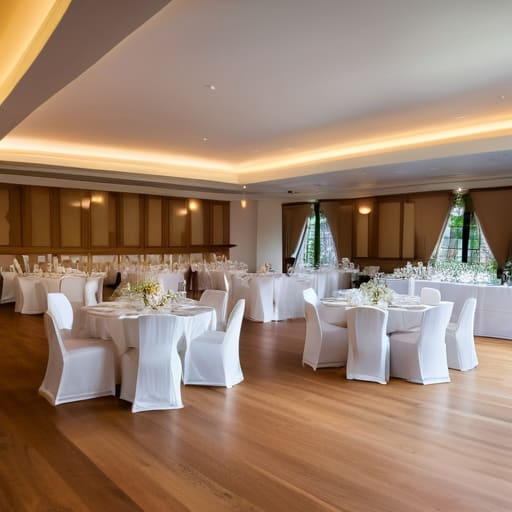
When you’re looking at small wedding venue selection, stop looking at the Instagram feed and start looking at the floor plan. People think a smaller guest count means you can just squeeze into a boutique hotel lounge or a corner of a restaurant, but they forget about the physics of a room. A space that looks “cozy” in a brochure often becomes a bottleneck the moment you add a dance floor and a buffet station. If your guests can’t move from the ceremony chairs to the bar without performing a choreographed dance around a decorative pillar, you haven’t found a venue; you’ve found a trap.
You also need to account for the “invisible” footprint. I’ve seen countless couples try to save money by choosing a stripped-back space, only to realize they haven’t budgeted for the extra rentals needed to make it functional. If the room is bare, you aren’t just buying minimalist wedding decor ideas; you’re paying for tables, linens, and lighting that the larger venues include in their base price. Always ask the manager about the power supply and the service entrance. If the caterer has to haul hot plates through the same narrow door your guests use to enter, you’re going to have a very stressful afternoon.
The Logistics of the Guest List: Keeping it Tight and Functional
- Stop treating your guest list like a social obligation spreadsheet. A small wedding only works if every person in that room actually contributes to the energy; if you’re inviting your third cousin’s dental hygienist just to “fill the space,” you aren’t planning a small wedding, you’re just hosting a diluted large one that will feel awkward for everyone involved.
- Do the math on the “Drink-to-Guest” ratio before you commit to a floor plan. In a large hall, people disperse; in a small venue, if you only have one bar station and twenty people decide they want a gin and tonic at the exact same moment the ceremony ends, you’ve just created a bottleneck that will stall your entire timeline by forty minutes.
- Plan for the “Lull” between the ceremony and the meal. This is where most small weddings fall apart—the awkward thirty minutes where guests are standing around with nothing to do because the transition wasn’t timed properly. You need a clear plan for movement, whether that’s a specific drink service or a designated area, or you’ll spend the afternoon watching your guests look at their phones.
- Audit your caterer’s “footprint” before you sign the venue contract. I’ve seen a hundred couples book a charming, tiny courtyard only to realize the caterer needs a six-meter staging area, a prep station, and a way to get hot plates to the table without tripping over the bride. If the caterer can’t move, the food won’t move, and your “intimate” dinner becomes a logistical nightmare.
- Respect the hard stop. A small wedding doesn’t mean a flexible schedule. If your venue licence ends at midnight, that is the moment the music stops and the lights go up, regardless of whether the speeches have finished or the cake has been cut. Work your entire evening backwards from that final minute; if you can’t fit the flow into the window, you need to cut the fluff or move the start time.
The Final Countdown
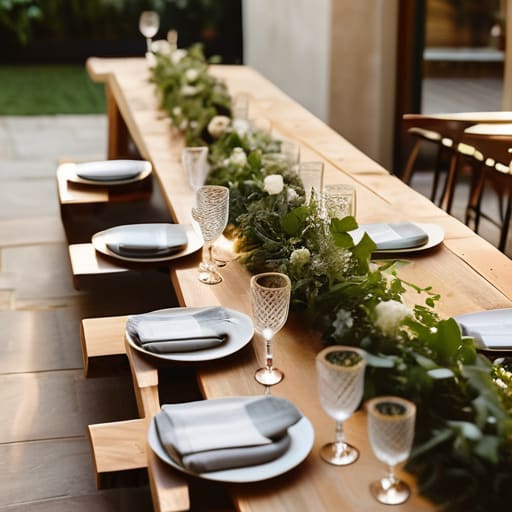
At the end of the day, planning a small wedding isn’t about doing less; it’s about doing things differently. You’ve navigated the choice between an elopement and a micro-wedding, and you’ve hopefully stopped looking for “aesthetic” spaces and started looking for functional ones. Remember that the success of your day won’t be measured by how well you matched the napkins to the tablecloths, but by whether your guests actually had a seat when the food arrived and whether your transition from the ceremony to the toasts didn’t leave everyone standing around with empty glasses. Keep your eye on the logistical timeline and respect the hard stops, because once the licence end approaches, the party is over, regardless of how beautiful the centrepieces look.
If you get the mechanics right, you give yourselves the greatest luxury of all: the ability to actually be present. When the power supply is sorted, the caterer has their three metres of breathing room, and the flow of people makes sense, the stress evaporates. You stop being event managers of your own lives and start being a couple getting married. People will remember the way you looked at each other, not the fact that the transition between courses was seamless, but a seamless day is what allows that moment to happen without a frantic whisper in your ear. Get the math right, plan for the chaos, and then let the day actually happen.
Frequently Asked Questions
How do I manage the "empty room" feeling if my guest list is too small for the venue I've chosen?
If you’ve booked a room that feels like a cavern because your guest list is thin, stop looking at the floor plan and start looking at the furniture. You can’t fix a low headcount with more flowers, but you can fix it with layout. Pull the tables in. Use perimeter lighting to shrink the visual boundaries. If you spread fifty people across a room built for two hundred, you aren’t hosting a wedding; you’re hosting a seminar. Tighten the perimeter, create “zones,” and keep the energy focused.
What is the realistic timeline for the transition between the ceremony and the meal so guests aren't left standing around with nothing to do?
The “golden hour” of wedding disaster is that sixty-minute gap between the “I dos” and the first course. If you give them forty-five minutes, they’re hungry and irritable; give them ninety, and you’ve lost the momentum and the natural light for photos. Aim for a tight sixty. Have drinks ready the second the ceremony ends—not ten minutes later—and ensure the transition path is clear. If guests are hunting for a bathroom or a drink, your timeline is already dead.
How much extra should I budget for the "hidden" costs like service charges and transport when the guest count is low?
Here is the hard truth: your per-head cost is going to climb, not drop. When you have fifty guests instead of a hundred, you aren’t splitting the cost of the photographer, the transport, or the venue minimums fifty ways; you’re still paying for the whole engine. Budget an extra 15-20% for the “invisible” stuff. Service charges and travel fees don’t care how small your guest list is—they still want their full cut.