I once watched a wedding dissolve into a quiet sort of chaos because a florist and a lighting technician decided they didn’t need to speak to one another. The florist had draped heavy greenery across a beam that the lighting team needed to access for a specific wash, and by the time they realized the mistake, the ceremony was ten minutes late and the bride was already staring at the ceiling in panic. Most wedding blogs will tell you that success is found in a shared Pinterest board or a beautiful color palette, but that’s nonsense. The reality of how wedding suppliers coordinate isn’t about aesthetics; it is about the unseen friction between a caterer’s heavy equipment, a DJ’s power requirements, and the physical space you actually have to work with.
I’m not here to sell you on more styling trends or expensive “day-of” coordinators who only know how to hold a clipboard. I’m going to pull back the curtain on the actual mechanics of a successful event. We are going to talk about the logistical groundwork—the load-in schedules, the power management, and the communication gaps—that ensure your wedding feels effortless rather than like a frantic scramble against the licence end.
Table of Contents
Mastering the Wedding Day Timeline Management
The biggest mistake people make is treating a schedule like a suggestion rather than a countdown. I’ve seen a “relaxed” afternoon turn into a frantic sprint because the photographer arrived at 2:00 PM, but the bridal party wasn’t even dressed until 2:30 PM. When you’re dealing with wedding day timeline management, you aren’t just managing people; you are managing the friction between them. Every minute lost during the transition from the ceremony to the drinks reception is a minute stolen from the evening entertainment, and the licence end doesn’t care how much fun you’re having—it stays fixed at midnight.
Effective on-site vendor synchronization requires more than just a shared Google Doc. It’s about knowing that if the florist is still setting up the centerpieces when the catering team starts plating the starters, you have a collision course. A proper wedding run sheet isn’t just a list of times; it’s a roadmap for potential disasters. I always tell my team: if the plan doesn’t account for the thirty minutes it takes to move two hundred people from a garden to a dining room, then it isn’t a plan—it’s a wish.
The Art of on Site Vendor Synchronization
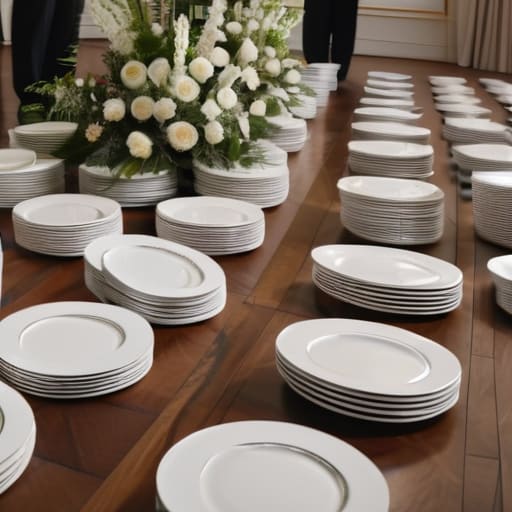
Here is where the theoretical meets the actual floorboards. You can have the most beautiful mood board in the world, but if the florist is blocking the service entrance while the caterer is trying to unload three hundred plates, your “seamless” afternoon is going to feel like a collision at a busy intersection. Real on-site vendor synchronization isn’t about everyone being polite; it’s about spatial awareness and knowing who has right-of-way. I’ve seen a dozen weddings nearly derail because the photographer and the videographer both decided the same corner was the only spot for the “candid” shot, effectively creating a human roadblock for the waitstaff.
This is why a rigid wedding run sheet importance cannot be overstated. It’s not just a piece of paper for the bride; it is the operational manual for every person with a van and a toolkit. I don’t care how much you’ve spent on the decor—if the lighting tech doesn’t know the exact minute the ceremony ends so they can kill the house lights, the transition to dinner will be a clunky, awkward mess. You have to manage the gaps. You have to account for the unseen friction of people moving through a space, because once the guests arrive, the logistics window shrinks to almost nothing.
The Real-World Checklist: Five Ways to Stop the Chaos Before It Starts
- Stop communicating through the bride. I love a happy couple as much as the next man, but they are not your logistics officers. If the florist needs to know when the tables are being laid, they shouldn’t be asking the Maid of Honour; they should be talking to the venue manager or the coordinator. Use a dedicated thread or a shared doc for the technicalities so the important stuff doesn’t get lost in a sea of “I love those peonies!” texts.
- The “Power and Proximity” Audit. Before anyone unloads a single crate, someone needs to walk the floor with a mental map of the sockets. There is nothing quite like a DJ setting up a massive rig only to realize the caterer has just plugged in three industrial coffee urns on the same circuit, blowing the fuse ten minutes before the first dance. Know where your power is, and know how much of it you’re sharing.
- Respect the “Dead Zone” Turnaround. The gap between the ceremony and the wedding breakfast is where most weddings go to die. It’s not just a “break”; it’s a frantic, high-speed construction project. If your setup requires moving furniture or changing lighting, you need to account for the thirty minutes of pure chaos that happens while the guests are busy sipping prosecco. If you haven’t budgeted for the transition, you haven’t budgeted for the wedding.
- The Load-In/Load-Out Reality Check. Everyone talks about the “big reveal,” but nobody talks about the loading bay. If the cake decorator arrives at the same time as the florist and the balloon artist, and you only have one service entrance, you’ve just created a bottleneck that will delay the entire afternoon. Coordinate your arrival windows like you’re managing a busy shipping port, not a garden party.
- The Hard Stop Countdown. Every supplier needs to be working with the same clock—specifically, the licence end time. I don’t care if the band is mid-chorus or the photographer is mid-shot; when the licence says we stop, we stop. If your coordination doesn’t include a “reverse countdown” from that final bell, you aren’t managing an event, you’re just hoping for the best. And hope is not a logistics strategy.
The Final Countdown

At the end of the day, successful coordination isn’t about everyone being on the same page of a pretty PDF; it’s about the unglamorous, heavy lifting that happens in the margins. It is the florist arriving early to clear the path for the caterer, the DJ checking the power load before the band plugs in, and the coordinator knowing that if the speeches run ten minutes over, the kitchen is going to hit a wall. When you stop looking at the wedding as a series of aesthetic snapshots and start seeing it as a moving sequence of logistical dependencies, the friction disappears. You realize that the most important conversations aren’t happening over champagne, but in the service corridors and the loading bays, ensuring that every moving part is synced to the clock and the licence end.
If you get the logistics right, the magic happens almost by accident. When the timing is tight, the power is sufficient, and the vendors are communicating like a well-oiled machine, the guests don’t see the sweat or the frantic radio calls—they just see a perfect evening. My job is to make sure the machinery is invisible so that the couple can actually enjoy the party they paid for. Because when the invisible work is done correctly, the event doesn’t just run; it breathes. And that, quite frankly, is the only way to do it right.
Frequently Asked Questions
What happens to the schedule when the photographer runs twenty minutes late and starts eating into the time we actually allocated for the speeches?
The photographer being twenty minutes late isn’t a crisis; it’s a math problem. You don’t “make up” that time—it has to come from somewhere. If you try to squeeze those twenty minutes into the speeches, you’ll end up with a room full of hungry, restless guests and a Best Man who’s rushing through his heartfelt anecdotes like he’s reading a grocery list. You trim the cocktail hour or tighten the transition from dinner to speeches. Respect the licence end; you can’t negotiate with the clock.
How do we handle the logistical nightmare of multiple vendors arriving at the same loading bay at the exact same time?
The loading bay is where dreams go to die. If you tell everyone “10:00 AM,” you aren’t planning; you’re scheduling a collision. I treat the loading bay like a narrow corridor in a crisis: one way in, one way out. You assign specific, staggered slots—the florist at 08:00, the florist’s assistant at 08:30, the caterer at 09:00. If they show up early, they wait in the car park. If they’re late, they’re fighting for space.
If the caterer and the florist both need the same corner of the room for setup, who actually gets priority in the timeline?
The caterer wins. Every single time. You can fix a slightly asymmetrical floral arrangement or move a centerpiece once the guests are seated, but you cannot “fix” a cold main course or a chef who can’t access the prep station. If the florist is hovering in the kitchen doorway while the hot food is being plated, the wedding is already sliding toward a disaster. Priority goes to the one that affects the guest’s immediate experience: food and temperature.