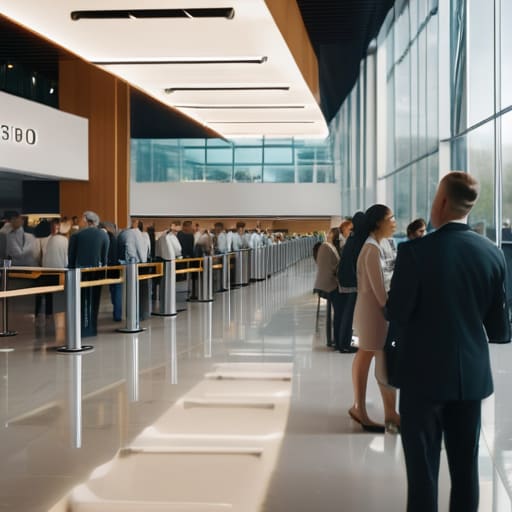
I once watched a bride spend three thousand pounds on hand-dyed silk napkins, only to spend the entire reception staring at the door because the caterer was forty minutes late and the bar queue had reached the coat check. Everyone tells you that the secret to a perfect wedding is the aesthetic, but they’re lying to you. If you want to actually know how to run an event on the day, you need to stop obsessing over the colour palette and start obsessing over the flow of human beings. A beautiful room is just a very expensive way to host a disaster if you haven’t accounted for the ten-minute gap between the ceremony ending and the first drink being poured.
I’m not here to sell you a dream or a Pinterest board; I’m here to give you the manual for the invisible machinery. I’ve spent eighteen years watching what happens when the schedule hits the reality of a heavy rainstorm or a rogue uncle with a microphone. In this guide, I’m going to strip away the fluff and show you how to manage the logistics that actually matter—the timings, the access points, and the hard deadlines that keep your guests happy and your licence intact.
Table of Contents
Mastering Run Sheet Management and the Art of Timing

A run sheet isn’t a suggestion; it’s your bible, and if you treat it like a loose guideline, the day will eat you alive. Most people think run sheet management is just about knowing when the cake gets cut, but it’s actually about the gaps in between. I look at a schedule and I don’t see “Dinner at 8:00 PM”; I see a countdown to the 12:00 AM licence end. If the speeches run twenty minutes over, you aren’t just losing time; you are actively eating into the dance floor window and risking a very awkward, very loud exodus of guests.
Effective on-site event coordination means planning for the friction. I always build in “buffer zones”—ten or fifteen minutes of nothingness—because I know that a florist will be late or a groom will have a sudden crisis of confidence. You need to be the person who sees the delay coming before the client even realizes the atmosphere has shifted. It’s about anticipating the bottleneck at the bar or the slow crawl of a buffet line, and adjusting the clock before the tension becomes visible to the guests.
The Event Day Checklist for Everything Nobody Sees
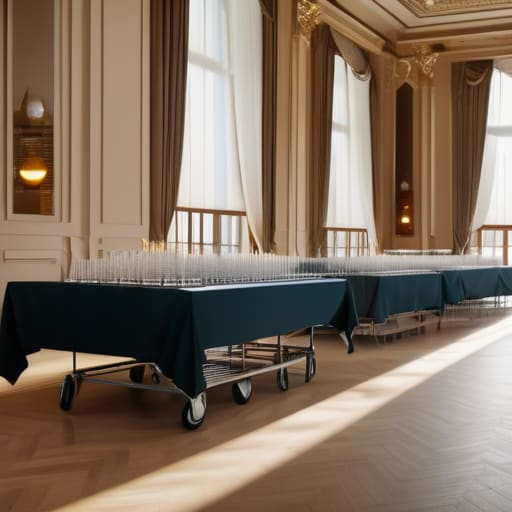
While everyone is obsessing over the seating chart, I’m looking at the service entrance. A proper event day checklist isn’t a list of decorations; it’s a map of potential friction points. I’m talking about whether the caterer has enough clearance to move their trolleys without clipping a guest’s chair, or if the DJ’s power requirements are going to trip a breaker halfway through the first dance. If you haven’t accounted for the physical footprint of your vendors, you aren’t planning an event; you’re just hoping for the best.
Then there is the matter of on-site event coordination when things inevitably deviate from the plan. The weather turns, a supplier is twenty minutes late, or the microphone starts whistling. This is where event day troubleshooting becomes your primary job. You don’t panic; you just look at the clock, count backward from the licence end, and find the quickest way to pivot. It’s about having a communication loop with your staff that works in real-time, so a minor hiccup in the kitchen doesn’t turn into a full-scale crisis in the dining room.
Five Ways to Stop the Bleeding Before the Guests Arrive
- Build a buffer into every single transition. If you think it takes ten minutes to move a room from a seated dinner to a dance floor, it will take twenty. People linger, they chat, they stumble. If your run sheet is tight enough that a five-minute delay ruins the cake cutting, you haven’t built a schedule; you’ve built a trap.
- Respect the power and the floor. I have seen more weddings derailed by a caterer tripping a circuit breaker with a coffee machine than by any emotional outburst. Before the first guest walks in, walk the floor. Know where your outlets are, know where the heavy equipment is sitting, and ensure nobody is blocking a fire exit with a decorative floral pillar that looks lovely but is a logistical nightmare.
- Manage the “Human Bottleneck.” The biggest mistake is thinking people move like clockwork. They don’t. They congregate at the bar, they cluster around the buffet, and they stall in doorways. Identify your choke points early. If you have two hundred people and one narrow corridor to the toilets, you need to plan for the queue, or you’ll have a disgruntled crowd before the first course is even served.
- The “Licence End” is your North Star. I don’t care how much the band is charging or how much the bride wants one last dance; the licence end is a hard wall. Work your entire evening backwards from that minute. If the licence ends at midnight, the music stops at 11:45, and the last drink is poured at 11:30. If you try to squeeze the party into the final ten minutes, you’ll end up with a shouting match between your staff and the local council.
- Brief your vendors on the “Why,” not just the “When.” Don’t just tell the caterer when the food goes out; tell them when the speeches are expected to end. If the Best Man decides to go on a twenty-minute odyssey about his childhood, the kitchen needs to know so the risotto doesn’t turn into wallpaper paste while they wait for the signal to plate up.
The Final Countdown
At the end of the day, running an event isn’t about hoping for the best; it’s about respecting the clock and the chaos. You’ve checked your run sheets, you’ve accounted for the extra three metres the caterer needs, and you’ve likely already anticipated the moment the guest list grows by ten people at the door. Remember that your job is to manage the invisible machinery—the power loads, the transition gaps, and the flow of the crowd. If you focus on the logistics and keep your eye on the licence end, the rest of the details will have the space they need to breathe. A well-managed schedule isn’t a cage; it is the foundation that prevents a celebration from becoming a crisis.
When the lights finally dim and the last guest is heading home, don’t look at the centerpiece or the colour scheme. Look at the timing. If the transition from ceremony to drinks was seamless, and if the food arrived when it was supposed to, you have won. People might not notice the perfect logistics, but they will certainly notice when they are missing. My goal has always been to make the complex look easy, because true excellence is invisible. If you have done the hard work behind the scenes, you won’t just be running an event; you will be orchestrating an experience that feels effortless.
Frequently Asked Questions
What happens to my entire schedule if the caterer shows up forty minutes late and the kitchen isn't ready?
It’s a domino effect, and it starts with the first guest looking at an empty table. If the kitchen is forty minutes behind, your speeches are no longer “heartfelt moments”—they’re survival tactics to keep people from getting hangry. You have to pivot immediately. I tell my team: hold the food, move the toasts up, and get the bar busy. You aren’t just managing a menu anymore; you’re managing the collective blood sugar of two hundred people.
How do I handle a guest list that keeps growing when my venue capacity and table layouts are already locked in?
Look, I’ve seen this dance a hundred times. You say “just a few more” and suddenly your 200-capacity room is breathing too heavy. Once the floor plan is set, you’re playing a dangerous game with fire exits and service aisles. If you can’t move the walls, you have to move the furniture. Shrink the buffet footprint, ditch the oversized centerpieces, or start cutting the “maybe” guests. A crowded room isn’t “intimate”; it’s a logistical bottleneck.
If the speeches are running twenty minutes over, do I cut the food service or push the music back, knowing the licence ends at midnight?
You don’t touch the food. If you cut the service, you’ve got two hundred hungry people staring at you like you’ve just insulted their ancestors, and that’s when the mood dies. You push the music back. You trim the dancing, not the dining. Remember: the licence end is a hard wall. You can apologize for a shorter dance floor, but you can’t apologize to the police for a party that won’t stop.