If you spend any time on Pinterest, you’ll be convinced that learning how to plan a small housewarming party requires a professional florist, a curated charcuterie board that costs more than my first car, and a color scheme that matches your new throw pillows. It’s a lie. I’ve spent eighteen years managing venues where the most expensive weddings in the book fell apart because someone forgot that people actually need to move. You don’t need a lifestyle influencer’s budget; you need to figure out if your hallway is a bottleneck and whether your fridge can actually survive twenty people opening it every ten minutes.
I’m not here to talk about centerpieces or the “aesthetic” of your entryway. I’m going to tell you how to manage the actual logistics of a room full of humans. We’re going to talk about the stuff the blogs ignore: how to avoid the dreaded kitchen pile-up, how to time your food so you aren’t stuck in the pantry while your guests are actually socializing, and how to ensure your house doesn’t feel like a cluttered warehouse by 9:00 PM. Let’s get into the real work.
Small Apartment Party Decorations Aesthetic vs Actual Footprint
You’ve seen the Pinterest boards. They’re full of massive, overflowing floral centerpieces and sprawling tablescapes that look divine in a studio apartment photo but are a nightmare in a real living room. Here is the reality: every inch of surface area you give to a decorative centerpiece is an inch of space you’ve stolen from a guest’s drink or a plate of food. When you are hosting guests in small spaces, your decor cannot be an obstacle course. If a guest has to shimmy sideways to avoid knocking over a vase of lilies, you haven’t decorated; you’ve created a hazard.
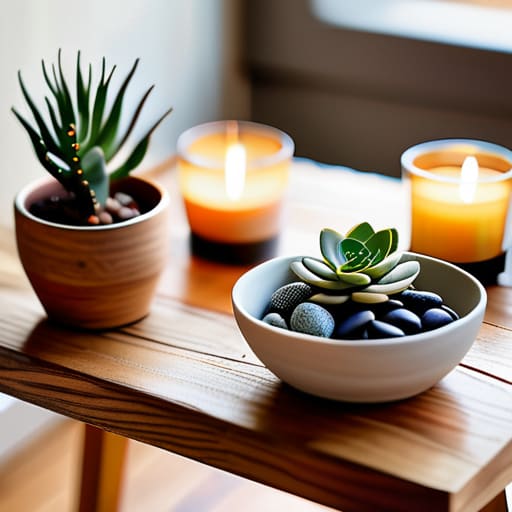
When looking at small apartment party decorations, think vertically rather than horizontally. Forget the bulky floor plants or the wide table runners that eat up your serving space. Instead, use wall space or lighting to set the mood. A few well-placed candles or some string lights provide the “vibe” without occupying the precious three square feet of table space you actually need for your catering trays. Keep the footprint minimal, or you’ll find your guests huddled in the hallway because the living room is too cluttered to actually inhabit.
Hosting Guests in Small Spaces the Physics of Flow
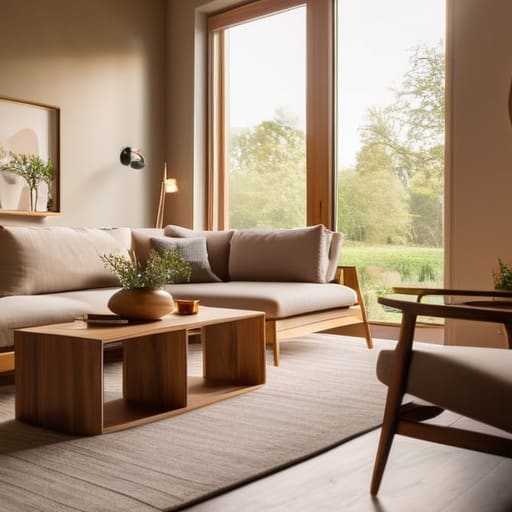
Here is where most people trip up. They spend three weeks picking out the perfect small apartment party decorations, only to realize they’ve effectively turned their living room into a labyrinth. You can have the most curated aesthetic in the world, but if your guests have to perform a tactical maneuver just to reach the snack table, the vibe is dead within twenty minutes. I’ve seen this at weddings too—the “cocktail hour” that becomes a hostage situation because the bar is positioned in a narrow corridor. When hosting guests in small spaces, you have to stop thinking about how the room looks and start thinking about how it moves.
The secret is to kill the bottlenecks before they start. Never, under any circumstances, put the food and the drinks in the same corner; you’ll create a human dam that nobody can break through. Spread your housewarming party food ideas across two different zones to force a natural circulation. If you notice a cluster forming around the kitchen island, move the napkins or the extra glasses to the other side of the room. You aren’t just a host; you are a traffic controller. Keep the paths clear, keep the drinks moving, and never let a single corner become a dead end.
The Logistics of Not Crashing Your Own Living Room
- The Drink Bottleneck: If you put the drinks on the only table near the entrance, you’ve just created a dead zone. People will cluster there, block the doorway, and nobody will be able to actually enter the room. Put the bar or the drinks station as far from the front door as your floor plan allows to force movement.
- The Kitchen Sink Trap: In a small space, the kitchen becomes the high-traffic zone. If your “party” involves you standing at the sink washing glasses or prepping trays, you aren’t hosting; you’re working. Pre-batch your cocktails and use high-quality disposables. If I see a host hovering over a dishwasher at 9:00 PM, I know the logistics have failed.
- The Seating Math: You do not need a chair for every person. That is a common mistake that eats up precious square footage. Plan for “perch and mingle” instead. A few stools, a sturdy ottoman, or even just cleared-off surfaces for people to set a drink down. If people can’t set a glass down, they won’t stay.
- Lighting and the Licence End: Even in a house, you have a mental “licence end”—the moment when the energy dips or the neighbors get annoyed. Don’t rely on the big overhead light; it kills the mood and makes the room feel smaller. Use lamps and dimmers to create depth, and keep an eye on the clock. If things are winding down, start the “last call” transition twenty minutes before you actually want people out.
- The Temperature Variable: Ten people in a room generate a surprising amount of heat. If you wait until the room feels stuffy to turn on the AC or crack a window, you’ve already lost. Get the airflow moving before the first guest arrives. A warm, sweaty room is the quickest way to turn a housewarming into a crowded subway carriage.
The Final Countdown
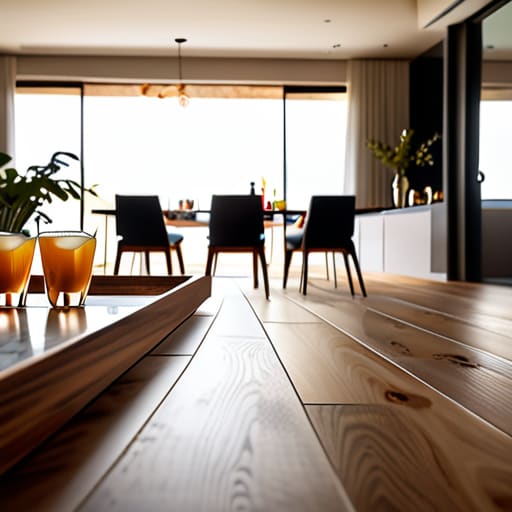
At the end of the day, a successful housewarming isn’t about whether your centerpieces match your rug; it’s about whether your guests can actually move from the doorway to the drinks without a structural bottleneck. You’ve looked at the footprint, you’ve mapped out the flow, and you’ve realized that less is almost always more when it comes to physical clutter. If you manage your floor space, keep your service stations accessible, and respect the reality of your square footage, you won’t spend the evening playing traffic warden. Remember, once the clock starts ticking, you aren’t a decorator—you are a logistics manager ensuring the energy stays high and the exits stay clear.
Look, I know the Pinterest boards make it seem like you need a sprawling manor and a professional catering crew to make a dent. They’re lying to you. The most memorable evenings I’ve ever managed weren’t the ones with the most expensive floral installations; they were the ones where the host was actually present because the mechanical details were already handled. If the drinks are reachable and the seating isn’t a puzzle, people will talk, they will laugh, and they will actually enjoy your company. Stop worrying about the perfection of the aesthetic and focus on the rhythm of the room. Once the first guest walks through that door, the logistics are done, and the party belongs to them.
Once you’ve figured out where people are actually going to stand, you have to deal with the inevitable question: what are they eating and how do they get it? In a venue, I’d tell a client to never underestimate the logistical nightmare of a buffet in a tight corridor, but for a housewarming, it’s more about the transition from “standing around” to “actually eating.” If you’re feeling a bit out of your depth with the menu or just want to see how others are managing the chaos of small-scale hosting, you can chat on casualeastmidlands to get some real-world perspective. It’s much better to crowdsource a few ideas now than to realize halfway through the night that you’ve accidentally created a bottleneck at the snack table that no amount of clever decor can fix.