I once watched a wedding planner spend forty minutes debating the exact shade of blush for a napkin, only to have the entire reception stall because the DJ’s power draw tripped the circuit for the entire wing. People love to talk about the “vibe” or the “aesthetic,” but if you want to understand how corporate events differ, you have to stop looking at the mood boards and start looking at the infrastructure. In a wedding, if the champagne is ten minutes late, people complain; in a corporate conference, if the Wi-Fi drops or the AV fails during the keynote, the entire investment evaporates before the first coffee break.
I’m not here to sell you on scented candles or bespoke floral installations. My goal is to pull back the curtain on the actual mechanics of the business side of hosting. I’m going to walk you through the gritty reality of why a corporate booking is a completely different beast—from the unforgiving precision of a tight schedule to the logistical nightmare of catering for a crowd that actually needs to work. We’re talking about power, access, and timing, because at the end of the day, a successful event is just a series of solved problems.
Table of Contents
Strategic Event Planning Objectives Over Aesthetic Perfection
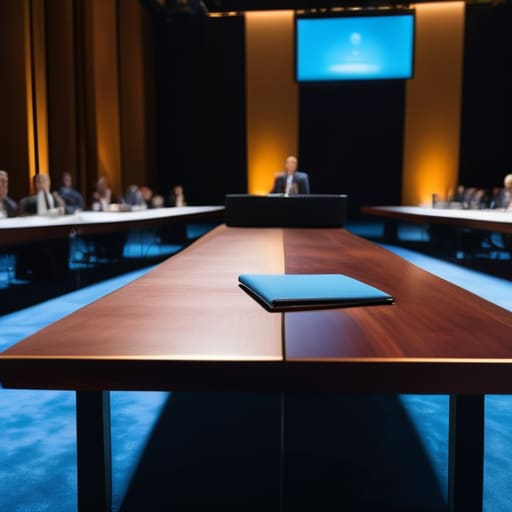
When you’re planning a wedding, the “win” is a bride who doesn’t cry and a dance floor that stays busy. But in the corporate world, nobody is paying for the vibe; they are paying for a result. This is where the fundamental shift in strategic event planning objectives happens. In a social setting, the goal is emotional resonance. In a business setting, the goal is utility. If you host a product launch and the room looks like a Pinterest board but the keynote speaker’s microphone cuts out twice, you haven’t just had a bad night—you’ve failed a business objective.
The distinction between a business event vs social event really comes down to how we define a successful outcome. For a private party, success is subjective. For a corporation, success is measured in hard data and ROI metrics. I’ve seen planners spend forty minutes debating the shade of linen for a seminar, while completely ignoring whether the breakout rooms have enough power outlets for two hundred laptops. You aren’t just managing a guest list; you are managing stakeholder expectations where the “stakeholders” are often board members looking at a spreadsheet, not a wedding planner looking at a centerpiece.
Professional Event Management vs Private Parties the Stakes Involved

When a bride cries because the peonies are the wrong shade of blush, it’s a heartbreak; when a CEO realizes the keynote speaker’s presentation won’t load because the AV setup wasn’t vetted, it’s a career-defining catastrophe. That is the fundamental gap in professional event management vs private parties. In a social setting, the goal is usually emotion—joy, nostalgia, or perhaps just a decent open bar. But in the corporate world, the stakes shift from sentiment to accountability. You aren’t just managing a guest list; you are managing stakeholder expectations where every person in the room has a different idea of what “success” looks like, and they are all likely checking their watches.
In my experience, a wedding is a closed loop, but a business event is a high-wire act of performance. You aren’t just looking for a “good atmosphere”; you are hunting for specific corporate event ROI metrics. Did the attendees engage with the product launch? Did the networking session actually facilitate the partnerships the board promised? In a private party, if the food is late, people grumble and move to the bar. In a corporate setting, if the schedule slips by twenty minutes, you’ve effectively burned through the company’s most expensive resource: time.
The Unglamorous Reality: Five Things That Actually Make or Break a Corporate Event
- The Wi-Fi isn’t an amenity; it’s a lifeline. In a wedding, if someone can’t post a photo to Instagram for twenty minutes, nobody dies. In a corporate setting, if the keynote speaker’s presentation lags or the delegates can’t access the event app, the entire afternoon is a write-off. You don’t plan for “good” internet; you plan for what happens when three hundred people try to sync their devices at once.
- Timings are non-negotiable, not suggestions. At a wedding, if the meal is twenty minutes late, people just drink more wine and blame the bridesmaids. At a corporate conference, if you run over your scheduled slot, you aren’t just delaying dinner—you are eating into the delegates’ travel time, their sleep, and their respect for the host. I count everything backward from the hard stop, and in corporate, that stop is a wall, not a suggestion.
- Power is the silent killer. People spend months obsessing over the linen colour, but they forget that every delegate is carrying a laptop, a tablet, and a phone. If you haven’t budgeted for enough floor sockets or charging stations, you aren’t running an event; you’re running a room full of very expensive, very silent paperweights.
- The catering math is entirely different. A wedding is about the experience of the meal—the slow courses, the wine pairings. A corporate lunch is about fuel and efficiency. You need enough space for people to move, enough time for them to eat without feeling rushed, and enough coffee to ensure the 2:00 PM session doesn’t turn into a collective nap.
- The “uninvited guest” is the technical failure. In my experience, corporate events live and die by the AV setup. You can have the most beautiful venue in the city, but if the microphone feedback squeals during the CEO’s address, the aesthetic doesn’t matter. You don’t just hire a speaker; you hire someone who knows how to troubleshoot a signal path while looking completely unbothered.
The Bottom Line

At the end of the day, the difference between a wedding and a corporate function isn’t just the guest list or the lack of a dance floor; it is the definition of success. In a wedding, success is a tearful toast and a well-timed cake cutting. In the corporate world, success is measured by whether the keynote speaker had a working mic, if the delegates were fed before they lost focus, and if the entire logistical engine ran without a single hitch. You aren’t just managing a party; you are managing a company’s reputation and their bottom line. If the Wi-Fi fails or the schedule slips by thirty minutes, it isn’t just a minor hiccup—it is a failure of professional delivery.
If you take one thing away from this, let it be this: stop obsessing over the centrepieces and start obsessing over the flow. The most expensive decor in the world won’t save an event that runs twenty minutes behind schedule or leaves a hundred people standing around with empty glasses. When you master the grit—the power requirements, the turnaround times, and the access points—you create the space for the magic to happen. The most impressive events aren’t the ones that look the prettiest in a brochure; they are the ones where the logistics are so seamless that nobody even notices they were there.
Frequently Asked Questions
How do I adjust my budget when the focus shifts from guest experience to technical requirements like AV and high-speed Wi-Fi?
You stop paying for the “wow” factor and start paying for the “it works” factor. In a wedding, if the fairy lights are slightly off-center, nobody cares. In a corporate setting, if the Wi-Fi drops during a keynote or the HDMI cable is three feet too short, the whole day is a write-off. Move your contingency fund from the floral budget straight into the tech line. It’s not glamorous, but it’s what keeps the lights on.
What are the specific logistical pitfalls when transitioning a space from a daytime seminar to an evening networking function?
It’s the “invisible” transition that kills you. You think you have an hour, but you actually have forty minutes before the first networking guest arrives. The biggest pitfall? Power and floor space. Your seminar setup needs chairs and projectors; your networking crowd needs clear walkways and buffet access. If you don’t pull those chairs and hide the AV cables fast, you’ll have professionals tripping over laptop chargers while trying to hold a cocktail.
How do I handle the "unmovable" elements, like strict venue licences, when a keynote speaker inevitably runs twenty minutes over?
You don’t move the licence; you move the schedule. When a speaker goes twenty minutes over, you’re already losing the battle against the clock. I don’t panic, but I do start cutting. You tighten the transition to the next session, you shave five minutes off the coffee break, and you tell the caterers to hold the hot food. You can’t negotiate with the council, so you negotiate with your programme. Plan for the overrun before it happens.