
I’ve spent eighteen years watching people throw money at things they don’t need, and if there is one thing that gets under my skin, it’s the idea that a second wedding needs to be a “scaled-down” version of the first. People treat it like a consolation prize or a budget-friendly compromise, but that is a fundamental misunderstanding of how second weddings differ from the big, frantic production of your twenties. Most wedding blogs will tell you it’s about “simplicity” or “intimacy,” but they’re usually just trying to sell you a smaller floral package. In my experience, the difference isn’t about the size of the guest list; it’s about the ruthless prioritization of what actually matters versus the performative nonsense that usually eats up a timeline.
I’m not here to talk to you about color palettes or whether you should go with linen or silk napkins. I’m going to tell you about the logistics that actually make or break the day—the tighter turnaround windows, the complex family dynamics that can derail a seating plan, and the importance of a timeline that respects your guests’ time. I’ll show you how to build an event that feels effortless because the heavy lifting of the planning was done with precision. No fluff, no styling hype—just the reality of making it work.
Table of Contents
The Emotional Tone of Second Weddings and Real Expectations

The emotional tone of second weddings is usually a hell of a lot more grounded than the first, but that doesn’t mean it’s simpler. In my experience, the frantic, “is the rose gold matching the napkins?” energy of a twenty-something’s wedding is replaced by something more pragmatic. People aren’t just celebrating a union; they are navigating a complex web of existing lives. You aren’t just managing a guest list; you are managing blended family wedding dynamics, where a misplaced seating arrangement can feel like a political statement rather than a logistical oversight.
I’ve seen it a hundred times: the couple wants a celebration, but they also want to avoid the minefield of old wounds. Unlike a first-timer, these clients are often more concerned with mature wedding etiquette—making sure the ex-spouse is handled with grace or that the kids don’t feel sidelined by the new adult focus. It’s less about the grand spectacle and more about the subtle shifts in energy. You aren’t just planning a party; you are orchestrating a delicate transition where the goal is peace, not just perfection.
Wedding Planning for Divorcees Navigating the New Reality
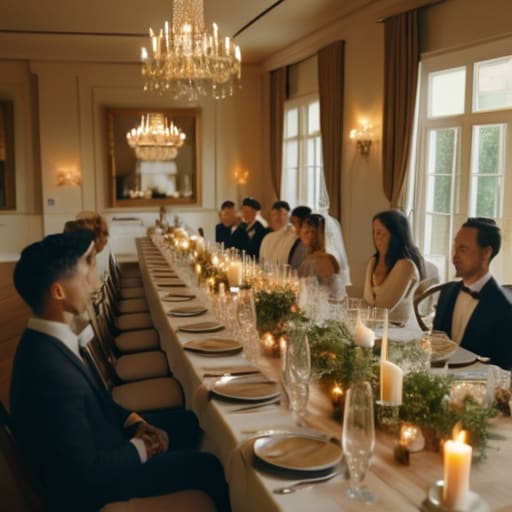
When you’re dealing with wedding planning for divorcees, the biggest logistical headache isn’t the guest list—it’s the seating chart. You aren’t just managing two families; you’re managing two entirely different histories that might not want to sit in the same room, let alone the same table. I’ve seen it a dozen times: a beautifully set room that feels like a minefield because the layout doesn’t account for the complexity of blended family wedding dynamics. You have to plan for the friction points before the first course is even served.
Then there is the matter of the children. Involving children in remarriage requires a level of tactical precision that most wedding planners ignore in favour of flower arrangements. You can’t just “include” them; you have to build the timeline around their attention spans and their comfort levels. If you’re planning a ceremony that needs to wrap up by 11:00 PM to satisfy the licence, you can’t have a disgruntled ten-year-old dragging the energy down by 8:00 PM. It’s about managing the flow so the adults can celebrate without the underlying tension of a broken family structure cracking the foundation of the evening.
The Logistics of the 'Second Time Around': Five Reality Checks
- Stop planning for the ‘ideal’ guest list and start planning for the ‘actual’ one. In my experience, second weddings usually involve a more complex web of ex-partners, blended families, and adult children. You aren’t just managing a seating chart; you’re managing a delicate diplomatic ecosystem. If you don’t account for the physical space needed to prevent awkwardness, your floor plan will fail before the first course is served.
- Respect the hard stop. With a first wedding, people often treat the licence end like a suggestion, but with a second wedding, the crowd is usually more mature and the schedule is often tighter. If you’ve booked a venue with a strict 12:00 AM cutoff, do not—under any circumstances—try to squeeze a late-night dancing set into the final forty minutes. You’ll end up with a room full of half-finished drinks and a disgruntled crowd when the lights come up.
- Prioritize the ‘Flow’ over the ‘Fluff’. You’ve likely already done the big, expensive floral installations. This time, put that budget into the transitions. The most critical moment in any event is the gap between the ceremony and the reception. If your guests are standing around a dry bar for forty-five minutes because the caterer is still setting up the buffet, they won’t care how pretty the centrepieces are; they’ll just be hungry and restless.
- Audit your power and access requirements early. Second weddings often involve more sophisticated tech—better sound for specific playlists or perhaps more complex lighting—but the venues are often the same. Don’t assume the venue’s power supply can handle a professional DJ, a photo booth, and a high-end catering setup simultaneously. I’ve seen more weddings derailed by a tripped circuit breaker than by a bad speech.
- The ‘Less is More’ approach to the timeline. First weddings are often marathons of tradition: the grand entrance, the first dance, the parent dances, the cake cutting. For a second wedding, I suggest cutting the fat. Every time you add a formal “moment,” you add ten minutes of logistical friction. A leaner, more efficient timeline keeps the energy high and ensures you actually get to sit down and eat your own dinner.
The Final Countdown
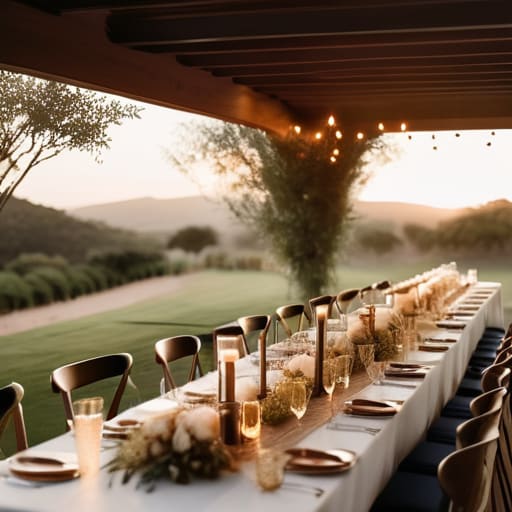
At the end of the day, a second wedding isn’t a “redo” and it certainly isn’t a rehearsal. It is a different beast entirely. We have covered the shifting emotional landscape, the complicated dance of blended families, and the reality that your guest list is likely more curated and far less forgiving of chaos than it was the first time around. You aren’t fighting for a fairytale anymore; you are fighting for a seamless transition between the ceremony and the cocktail hour, ensuring the logistics reflect the maturity of the occasion. Whether it is managing the tighter budget or the even tighter timeline, the goal remains the same: making sure the mechanics don’t overshadow the moment. Because if you get the logistical foundation right, the rest of the day actually has a chance to breathe.
I have seen plenty of weddings crumble because people focused on the lace instead of the floor plan, but I have also seen second weddings that were absolute masterclasses in grace. They work because they are built on intention rather than impulse. You know exactly who you are, who you are marrying, and—more importantly—how much time you have before the licence ends and the lights go up. Don’t let the pressure of “doing it right” steal the joy of doing it authentically. If the timings are tight and the guest list is tricky, just remember that a well-run event is the best gift you can give yourselves. Build it smart, plan for the pivots, and then finally, just enjoy the party.
Frequently Asked Questions
How do I handle the logistics of blending existing families and children into the ceremony timeline without it becoming a chaotic mess?
Stop trying to force a “fair” timeline; fairness is the enemy of flow. If you have kids, you have a ticking clock on their attention spans. Don’t schedule the heavy, sentimental speeches right after the meal when the little ones are crashing. Instead, bake the “family moments” into the transition periods. Keep the ceremony short, the cocktail hour active, and give the kids a specific job. If they aren’t moving, they’re melting down.
Should I be budgeting for a smaller, more intimate guest list, or does the "second wedding" label still require the same scale of catering and venue capacity?
Look, don’t let the “intimate” label trick you into thinking the logistics get easier. Whether it’s forty people or one hundred and forty, the math of catering remains brutal. If you scale down the guest list, you’re usually doing it to reclaim control over the timeline and the budget, not to escape the reality of service. Don’t book a massive hall for fifty people; you’ll just end up staring at empty tables. Scale the venue to the headcount, but keep the professional standards exactly the same.
How do I manage the "uninvited" tension—like ex-spouses or difficult in-laws—when planning the seating chart and the reception flow?
Seating charts aren’t about romance; they’re about buffer zones. I’ve seen more weddings derailed by a misplaced ex than by a bad caterer. You need to treat tension like a logistical hazard. Don’t just separate people; create distance. Use the floor plan to build physical barriers—place high-energy groups near the bar and the “delicate” guests near the exits or the quieter corners. If the flow allows them to avoid eye contact, the evening stays on track.