I once watched a wedding planner spend forty minutes debating the exact shade of sage for the linen napkins while a hundred hungry guests sat staring at empty tables, their mood souring by the second. Everyone wants to talk about the “experience” of a grand banquet, but nobody wants to talk about the math. If you are trying to figure out how to cater for large numbers, you need to stop looking at the menu design and start looking at the flow of the room. You can have the finest Wagyu beef in the county, but if your service corridor is too narrow for two waiters to pass each other, you aren’t hosting a dinner; you’re managing a bottleneck.
I’m not here to sell you on gold-rimmed plates or expensive floral installations that only serve to obstruct the view of the buffet. My goal is to give you the unfiltered reality of high-volume service. I’m going to walk you through the logistical trenches—from calculating the exact number of forks you’ll actually need to the precise timing required to get hot food onto plates before the steam dies. We’re going to solve the logistics of abundance so that your event feels effortless, even if the planning behind it was anything but.
Table of Contents
Scaling Recipes for Mass Production the Science of Consistency
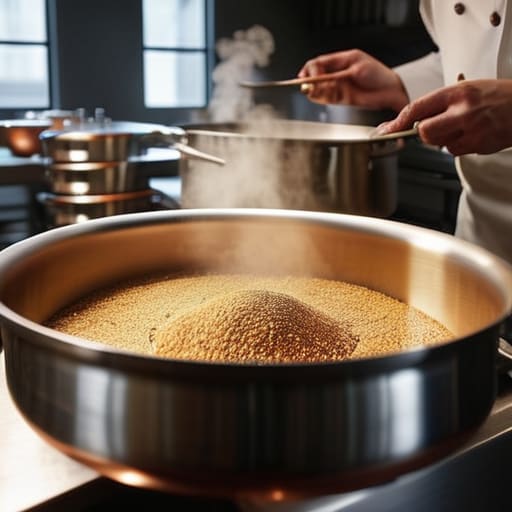
Scaling a recipe for ten people is a culinary art; scaling it for two hundred is a mathematical war. You cannot simply quadruple a recipe and hope for the best. If you try to scale a delicate reduction or a specific spice blend by just multiplying the numbers, you’ll end up with something either incredibly bland or aggressively overpowering. This is where scaling recipes for mass production becomes less about seasoning and more about physics. You have to account for surface area, evaporation rates, and the sheer thermal mass of a giant pot that takes forty minutes just to reach a simmer.
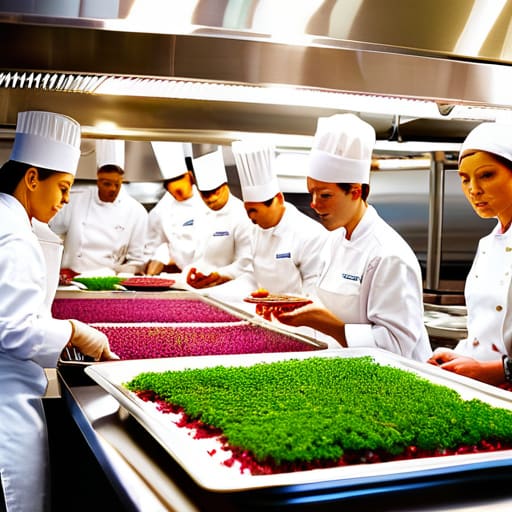
The real danger isn’t the flavour profile, though; it’s the consistency. When you are deep into bulk food preparation techniques, the goal is to ensure the person at the end of the buffet line gets the same quality as the person at the front. If your sauce breaks because you tried to heat too much in one go, or if your proteins turn to rubber because they’ve been sitting in a warming tray for an hour, the “effortless” vibe of your event evaporates instantly. You aren’t just cooking; you are managing a production line.
Bulk Food Preparation Techniques That Prevent Last Minute Panic
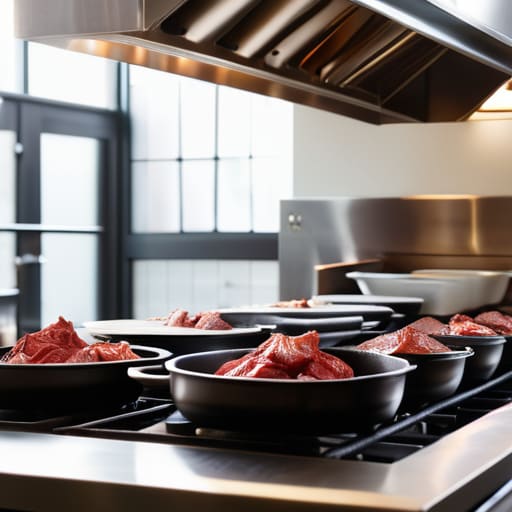
The biggest mistake I see is people thinking that “big” just means “more of the same.” It isn’t. If you try to cook a wedding for two hundred using the same method you use for a Sunday roast for six, you’re going to have a breakdown around 6:45 PM. You need to master specific bulk food preparation techniques that rely on thermal mass and timing rather than just raw heat. This means moving away from pan-frying and toward braising, roasting, or sous-vide prep that can sit safely in a hot box without turning into leather.
You also have to account for the “holding” period. There is a massive, terrifying gap between when the food is finished and when the first guest actually reaches the buffet. If your menu relies on things that lose their integrity in ten minutes—think delicate soufflés or thin, crispy fries—you’ve already lost the battle. I always tell my teams to build a menu around resilient proteins and stable starches. If the service lags by fifteen minutes because the bride’s uncle decided to give a twenty-minute speech, your food needs to be able to survive that delay without becoming a logistical nightmare.
The Friction Points: Where Large-Scale Catering Actually Hits the Wall
- The “First Plate” Fallacy: You can have the most exquisite menu in the city, but if it takes forty minutes to get the first plate to the last table, you haven’t catered a meal; you’ve managed a slow-motion disaster. When you’re feeding two hundred, you don’t plan for the food to be hot; you plan for the service to be relentless.
- The Hydration Bottleneck: Everyone focuses on the heavy plates, but nobody talks about the glass. If you have a hundred people finishing a course at the same time, you need more than just enough water; you need a deployment strategy. If your service staff is stuck in a bottleneck at the bar or the beverage station, your guests will be sitting there staring at empty glasses while the kitchen is screaming for them to clear the tables.
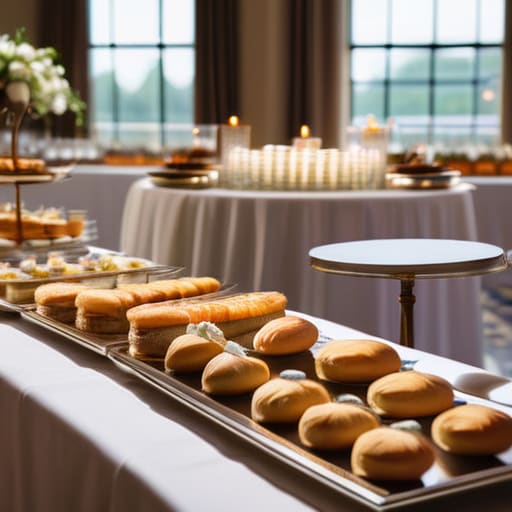
- The Buffet Geometry: If you’re going the buffet route, stop thinking about what looks pretty and start thinking about flow. A single line for two hundred people is a recipe for a restless, hungry crowd. You need double-sided access, wide aisles that don’t turn into a mosh pit, and enough space for the “grazers” to move without tripping over the people actually trying to get their protein.
- The Power and the Prep: I’ve seen weddings go south because a caterer brought a sophisticated induction setup but didn’t check if the venue’s circuit could handle three of them simultaneously. Large-scale catering is a massive electrical load. If you don’t account for the surge when the ovens kick in, you aren’t serving dinner; you’re sitting in the dark.
- The “Buffer” Reality: In my experience, you don’t plan for the number on the RSVP list; you plan for the person who brought an unexpected plus-one and the cousin who’s “not really eating” but somehow ends up with a plate. Always build a 5% margin into your prep. It’s the difference between a smooth service and a frantic kitchen staff trying to cook a single steak while the guests are already asking for the bill.
The Final Countdown
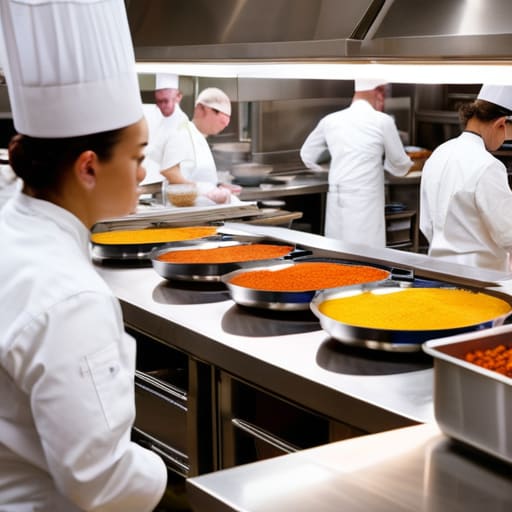
At the end of the day, catering for a crowd isn’t about the complexity of your menu; it’s about the strength of your systems. You can have the most exquisite slow-roasted lamb in the county, but if your prep schedule is a mess or your scaling math is off, you’ll be staring at a room of hungry, impatient guests while your kitchen team is still fighting a losing battle with a massive stockpot. You have to respect the physics of the room. Between managing the sheer volume of ingredients and ensuring every plate hits the table at the same temperature, the difference between a seamless service and a total meltdown is meticulous, unglamorous preparation. If you’ve mastered the science of consistency and built a buffer into your prep time, you’ve already won half the battle.
I’ve seen enough weddings to know that when the lights go down and the music starts, nobody is thinking about the logistics. They aren’t thinking about the three-metre service corridor or the precise timing of the oven rotations. They just think the evening is magic. But as a venue manager, I know better. That magic is built on a foundation of ruthless logistical planning and a deep respect for the clock. When you stop treating catering like a culinary performance and start treating it like a precision operation, you stop reacting to crises and start managing an experience. Plan for the chaos, budget for the reality, and you might just pull off the impossible.
Frequently Asked Questions
How much extra "buffer" food should I actually order to account for the guests who take double portions without causing a massive waste problem?
Don’t go for the standard 10% rule; that’s how you end up with a mountain of untouched risotto and a massive bill. If it’s a buffet, you’re looking at a 15% buffer on high-impact, low-cost items—starches and greens—to soak up the crowd. For the proteins, keep it tight at 5%. You don’t need more steak; you need more bread and better timing on the replenishment. Plan for the hunger, not just the headcount.
If I’m working with a tight turnaround between the ceremony and the meal, how do I ensure the food stays at temperature without needing a kitchen the size of a warehouse?
Forget the dream of a massive, permanent kitchen; you’re playing a game of thermal physics and timing. If your turnaround is tight, you rely on high-quality hot boxes and induction burners, not ovens that take twenty minutes to recover. I’ve seen more meals ruined by “waiting for the oven” than by poor seasoning. Map your service flow so the food moves from heat source to plate in under three minutes. If it sits, it dies.
What’s the realistic way to manage a buffet line for two hundred people so the last person in line isn't staring at an empty tray of the main course?
You don’t run one long, single-file line; that’s how you end up with a bottleneck at the salad and a riot at the roast. You run two identical lines. Double the service points, double the staff, and crucially, you don’t put the most expensive or slowest-to-portion item at the start. If you’re running a single line, you better have a “buffer” of trays in the kitchen ready to swap the second a tray hits the twenty-percent mark.