If you spend enough time reading wedding blogs, you’ll start to believe that a room transition is some sort of choreographed ballet, where linens magically unfurl and tables appear like ghosts in the moonlight. It’s a lie. In reality, anyone who tells you that how turnarounds are managed is a matter of “aesthetic flow” has clearly never had to coordinate a kitchen team fighting for floor space while simultaneously clearing two hundred half-empty champagne flutes. A real turnaround isn’t a graceful dance; it’s a high-stakes tactical sprint against the clock, usually performed while the guests are distracted by a cocktail hour that’s running fifteen minutes late.
I’m not here to sell you on more silk drapery or expensive floral installations that just get in the way of the service staff. I’m going to tell you how this actually works when the doors are closed and the pressure is on. We’re going to talk about the unseen logistics—the floor plans that actually function, the precise timing required to move furniture without breaking a sweat, and why your caterer needs more room than your decorator promised. This is the honest, unvarnished truth about making the transition look effortless, even when it’s anything but.
Table of Contents
Operational Turnaround Strategies for the Unseen Hour
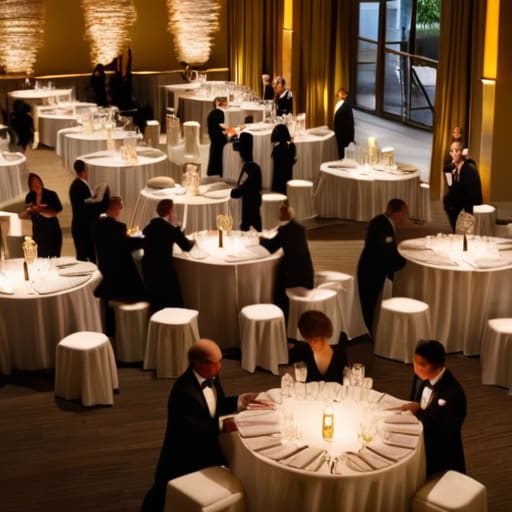
If you want to survive that sixty-minute window where the ceremony guests are drifting toward the bar and the dinner setup is still a chaotic sprawl of linen and silverware, you need more than just “speed.” You need actual operational turnaround strategies that treat the floor like a tactical zone. I don’t rely on luck; I rely on a rigid, pre-set choreography. This means having your floor staff briefed not just on where the tables go, but on the exact sequence of movement. If the catering team is still fighting for access to the service corridor while the guests are wandering in, you’ve already lost the room.
The secret isn’t just moving fast; it’s about anticipating the friction points before they happen. I look at a turnaround through the lens of a performance improvement cycle, constantly refining the way we stage the room. We don’t just “clean up”; we execute a synchronized sweep. One team clears the ceremony debris, another resets the dining perimeter, and a third manages the flow of people toward the drinks station. If you aren’t managing the movement of people as strictly as you manage the movement of furniture, you’re just waiting for a guest to trip over a wayward chair.
Performance Improvement Cycles in the Chaos of Transition
You don’t learn how to fix a botched transition by reading a manual; you learn it when you’re standing in a room full of half-eaten appetizers and a wedding party that’s staring at you expectantly while the music is still playing. In this industry, performance improvement cycles aren’t something you do in a boardroom once a quarter. They happen in real-time, often in the dark corridor behind the kitchen, as you figure out why the floor staff missed the cue to clear the cocktail tables. It’s about looking at the mess, identifying the exact second the flow broke, and adjusting the next hour to compensate.
If a transition fails, you don’t just shrug and hope the next one is better. You treat every hiccup as a data point. If the bar queue hit twenty people because the glassware wasn’t replenished during the ceremony, that’s a failure in your operational turnaround strategies that needs an immediate fix for the dinner service. You analyze the bottleneck, reassign a runner, and move on. It’s a constant, gritty loop of trial and error where the only way to get better is to be honest about exactly where the wheels came off the track.
The Five Pillars of Not Letting the Room Fall Apart
- Stop treating the ‘gap’ like empty time. It’s a high-speed transit zone. If you haven’t mapped out exactly where the empty chairs go and where the buffet tables are coming from, you aren’t planning a transition; you’re just hoping for a miracle. I’ve seen more weddings derailed by a misplaced stack of linen than by a bad DJ.
- The ‘Caterer’s Footprint’ is non-negotiable. Everyone talks about the table settings, but nobody talks about the three metres of clearance the kitchen crew needs to actually move a hot tray without a collision. If you squeeze your service team into a corner to make room for more guest tables, your food will arrive cold and your staff will be too stressed to smile.
- Work backwards from the licence end, not the cocktail hour. If your licence ends at midnight, your entire turnaround schedule is dictated by that hard stop. I don’t care if the speeches are running long; the clock doesn’t care about your Uncle Dave’s anecdotes. Build your turnaround with a twenty-minute buffer for the inevitable ‘just one more song’ delay.
- Communication isn’t a polite suggestion; it’s your only lifeline. The floor staff, the venue manager, and the catering lead need to be on the same frequency. I’ve learned that a thirty-second huddle five minutes before the ceremony ends is worth more than an hour of post-event debriefing. You need to know exactly who is moving which piece of furniture and when.
- Manage the guest’s ‘Perceived Wait.’ You can’t stop the physical work of moving a room, but you can hide it. If the guests are stuck in a courtyard with a steady flow of drinks and decent music, they won’t notice the frantic, sweating crew resetting the dining room behind the closed doors. A well-timed bar service is the best distraction in the business.
The Final Countdown
At the end of the day, managing a turnaround isn’t about having a magic wand; it’s about respect for the clock and the people working it. You have to respect the floor plan, the catering access, and that immovable licence end that’s always ticking in the back of your mind. We’ve talked about the logistics of moving furniture, the importance of communication loops, and how to tighten your processes after the dust settles. If you ignore the invisible machinery of the transition, you aren’t just risking a messy room—you are risking the entire mood of the event. A successful turnaround is measured by what the guests never notice, because if they don’t see the sweat and the frantic chair-stacking, you’ve done your job.
I know it feels like you’re just fighting fires and chasing shadows when the ceremony ends and the dinner rush begins. But remember, the most seamless, effortless-looking weddings I have ever managed were the ones where the plan was brutal in its precision. When you nail the logistics, you aren’t just moving tables; you are creating the space for people to actually enjoy themselves without seeing the gears grinding behind the scenes. Don’t aim for perfection in the aesthetics—aim for operational excellence in the gaps. That is where the real magic of hosting happens.
Frequently Asked Questions
What happens to the guest experience when the ceremony runs twenty minutes late and eats directly into the turnaround window?
When the ceremony bleeds twenty minutes into the turnaround, the guest experience doesn’t just “slow down”—it fractures. You’re no longer managing a transition; you’re managing rising tempers. Guests end up standing in a half-cleared room with empty hands, watching staff scramble like they’re in a marathon. That twenty-minute delay is a domino effect: the drinks service lags, the caterers lose their rhythm, and suddenly, you’re fighting the licence end before the main course is even served.
How do you handle a caterer who arrives with a massive footprint that doesn't fit the floor plan you've already set?
I’ve been there. You’ve got the floor plan locked, the tables set, and then the catering van rolls in with enough equipment to outfit a small army. They need four metres for prep; you’ve only got two. You don’t scream—that’s amateur. You grab the floor plan, find the dead space near the service entrance, and force the compromise. It’s a game of inches. If they can’t fit the footprint, we pivot the furniture, not the physics.
If the licence ends at midnight, how much of the turnaround time needs to be "baked in" to ensure we aren't rushing the final dance?
If your licence ends at midnight, you aren’t finishing at midnight; you’re finished at 11:45. I always count backwards from the hard stop. You need at least forty-five minutes baked in for the “graceful exit.” That’s your last song, the music fading, guests finding coats, and the inevitable slow drift toward the doors. If you try to squeeze the final dance right up to the wire, you’ll end up chasing intoxicated uncles out of the car park with a flashlight.