I once watched a wedding planner spend forty minutes debating the shade of linen for the guest tables while the bar staff stood around staring at a mounting queue of fifty thirsty guests. It was a beautiful disaster in the making. Most blogs will give you a “complete guide to event staffing” that focuses on the glamour—the polished front-of-house teams and the smiling servers—but they completely ignore the unseen friction that actually kills an evening. They talk about “hospitality excellence” like it’s a magic spell, rather than a calculated numbers game involving floor ratios, break schedules, and the sheer physical stamina required to keep a room moving when the licence end is looming.
I’m not here to sell you on the aesthetic of service; I’m here to talk about the machinery of it. In this guide, I’m stripping away the fluff to give you the hard reality of how many bodies you actually need on the floor to prevent a bottleneck at the buffet or a meltdown at the bar. We’re going to cover the logistics that matter: calculating prep time, managing the turnover between the ceremony and the meal, and why your staffing levels are the only thing standing between a seamless event and a total logistical nightmare.
Table of Contents
The Art of Staffing Agency Selection and Vetting

When you start looking at staffing agency selection, don’t just look at their brochure or the glossy photos of smiling waiters. I’ve seen agencies that can provide a hundred bodies in twenty minutes, but if those bodies don’t know the difference between a wine key and a corkscrew, you’re in trouble. You need to ask them the hard questions: How do they handle last-minute call-outs? What are their actual event crew training protocols? If they can’t explain how they vet a server for composure under pressure, they aren’t an agency; they’re just a glorified temp bureau.
The real test happens during the briefing. A good agency understands that on-site staff coordination isn’t just handing out a rota; it’s about ensuring the floor team knows exactly where the service entrance is and how to navigate a crowded room without looking like they’re in a race. I always look for agencies that treat their people like professionals rather than interchangeable parts. If they don’t have a clear system for managing their team’s deployment, you’ll be the one spending your entire evening playing babysitter instead of managing the room.
Mastering on Site Staff Coordination Under Pressure
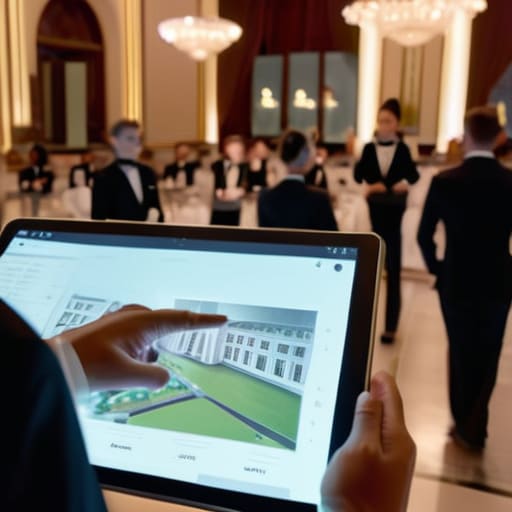
Once the doors open and the first guest arrives, your planning phase is officially dead. This is where the real work begins, and it’s where most organizers lose their grip. You can have the most expensive temporary staffing solutions in the world, but if your team doesn’t know exactly where the service entrance is or which breaker controls the DJ’s power, you’re just paying for people to stand around looking confused. I’ve seen weddings derail not because the food was cold, but because the floor staff were waiting for instructions that never came. You need to establish on-site staff coordination before the first tray of canapés leaves the kitchen.
The secret isn’t a massive, intimidating briefing; it’s about clarity and rhythm. I tell my team to think in countdowns. We aren’t just “serving dinner”; we are working toward a hard stop at 11:00 PM when the licence expires. Effective event personnel management means every person on that floor knows the “if/then” scenarios. If the speeches run ten minutes over—and they always do—what is the immediate pivot for the service? If you haven’t drilled these tiny, high-pressure movements into them during the morning briefing, you’ll be the one running to the kitchen to fix it.
Five Ways to Stop Your Staff from Becoming the Weakest Link
- Stop hiring for “smiling faces” and start hiring for “spatial awareness.” I don’t care how polite a server is if they can’t navigate a crowded room with a tray of champagne without taking out a grandmother or a floral centerpiece. You need people who can read a room and move through it like they belong there, not people who stand in corners waiting to be told what to do.
- The “Golden Window” rule. Most of your staffing chaos happens in the transition periods—the thirty minutes between the ceremony ending and the first drink being poured, or the frantic hour when dinner needs to be cleared to make room for the band. If you aren’t over-staffing these specific windows, you aren’t planning; you’re just hoping for the best. And hope is not a logistics strategy.
- Brief them on the “Unspoken Hierarchy.” Every event has a hierarchy that isn’t in the formal itinerary. It’s the caterer who needs the service entrance kept clear, the DJ who needs a dedicated power circuit, and the bride who needs a glass of water every twenty minutes. If your staff doesn’t know who the key players are before the doors open, they’ll be tripping over themselves when the pressure hits.
- Build in a “Buffer Person.” Even in a well-oiled machine, something will go sideways. A tray will break, a guest will spill red wine on a rental linen, or a vendor will arrive forty minutes late. If every single one of your staff members is tied to a specific, rigid task, you have zero capacity to fix problems. You need one person whose only job is to float and troubleshoot the fires before the client smells the smoke.
- Respect the Licence End. This is where most amateur planners lose their minds. If your licence ends at midnight, your staff shouldn’t be “winding down” at 11:45; they should be in the final stages of the exit strategy. I’ve seen too many events turn into expensive, messy disasters because the staff didn’t realize that once the clock hits the limit, the party is over—no exceptions, no extensions, no arguing with the police.
The Final Countdown

At the end of the day, staffing isn’t about having a headcount on a spreadsheet; it’s about the tactical deployment of people who can think on their feet when the champagne arrives lukewarm or the guest list swells by twenty. You’ve vetted your agency, you’ve mapped out your floor plan, and you’ve briefed your team on the non-negotiable licence end time. But remember, the most expensive staffing plan in the world won’t save you if you haven’t accounted for the friction points—the narrow corridors, the slow service during the transition, or the sheer physical exhaustion of a twelve-hour shift. If you manage the people, the people will manage the logistical chaos that inevitably tries to crash the party.
I’ve stood in the back of many a ballroom, watching a perfectly executed service unfold while the clients are busy dancing, oblivious to the invisible machinery humming behind the scenes. That is the goal. When the staffing is right, the logistics become invisible, and that is when you have actually succeeded. Don’t aim for an event that looks good in a brochure; aim for one that runs like clockwork even when the unexpected hits the fan. Because when the lights go down and the last guest departs, the only thing that will matter is that the transition was seamless and the machinery never faltered.
Frequently Asked Questions
How do I calculate the actual number of servers I need without just guessing based on the guest count?
Stop looking at your guest list and start looking at your service style. If you’re doing a seated three-course meal, you need one server per ten guests to keep the food hot and the wine flowing. If it’s a buffet, you can stretch that to one per twenty, but don’t get cocky. I always count backwards from the licence end; if your staff is too thin, they’ll be playing catch-up while the party’s already dying.
What’s the best way to handle a staff member who shows up late or clearly isn't up to the standard when the event is already live?
When the doors are open and the champagne is flowing, you don’t have time for a performance review. If someone is late or dragging, you move fast: pivot them to a low-stakes task—clearing empty glasses in the back—to get them moving, or pull them from the floor entirely. I’ve learned it’s better to run a room short than to let one person’s apathy poison the guest experience. Fix the gap first; deal with the HR headache once the lights are down.
At what point in the planning process should I actually be signing contracts with agencies versus trying to source my own casual crew?
Look, if you’re trying to source your own casual crew for a high-stakes event, you’re playing a dangerous game with your own sanity. I’ve seen it a dozen times: someone tries to save a few quid by calling in “mates of mates,” only to have three people ghost you forty minutes before the first tray of canapés needs to move. Sign those agency contracts the moment your budget is locked. You aren’t just paying for bodies; you’re paying for the insurance that someone will actually show up when the licence clock starts ticking.