If you spend too much time reading event planning blogs, you’ll be led to believe that how conference refreshments are planned is all about choosing the right artisanal sourdough or finding a caterer who can do a decent matcha latte. It’s a lie. I’ve spent eighteen years watching people obsess over the menu while completely ignoring the fact that they have three hundred delegates descending upon a single coffee station with exactly nine minutes of downtime between sessions. I once saw a high-end corporate summit descend into absolute madness—not because the food was bad, but because the layout meant the milk jugs were positioned in a way that created a human bottleneck. You don’t need a food stylist; you need a flow strategy.
I’m not here to sell you on aesthetic grazing tables that look great on Instagram but are a nightmare to actually eat while standing up. I’m going to tell you how the sausage is actually made—from the power requirements of the industrial coffee urns to the crucial math of replenishment cycles. We are going to strip away the fluff and look at the logistics, the timing, and the inevitable chaos of feeding a crowd, so your next event actually runs like a clock instead of a car crash.
Table of Contents
Buffet Service Efficiency the Math of Avoiding the Queue
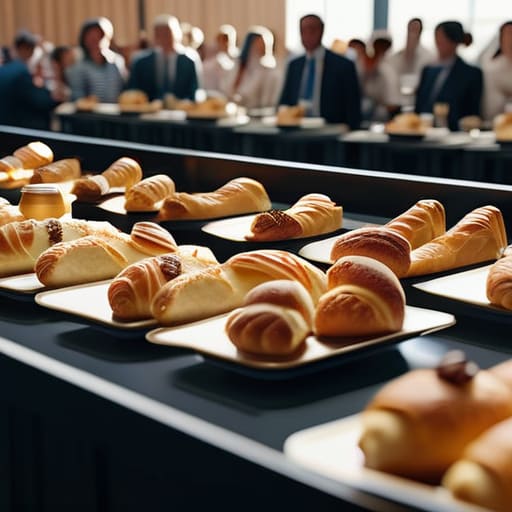
If you’ve ever watched a room of two hundred delegates descend upon a single buffet line, you know it isn’t a meal; it’s a bottleneck. Most people think a buffet is a way to save money on the conference food and beverage budget, but if you don’t account for the physics of the queue, you’re just paying for a room full of hungry, irritable people. You have to look at the math of the floor space. If you have one long table, you have a disaster. I’ve seen it a hundred times: a line that snakes back into the seminar room, making everyone late for the next speaker and turning the mid-morning break into a test of human patience.
The secret to actual buffet service efficiency isn’t the food itself; it’s the distribution. You need multiple “islands” of service. Instead of one massive spread, I tell my clients to break the food into three or four separate stations spread across the room. This forces the crowd to disperse rather than cluster. You also have to get your dietary restriction management right before the first plate is even touched. If your vegan and gluten-free options are tucked at the very end of a single line, your guests with restrictions will spend their entire break standing there, watching everyone else eat, while the queue moves at a glacial pace.
Coffee Break Scheduling Winning the Battle Against Low Energy
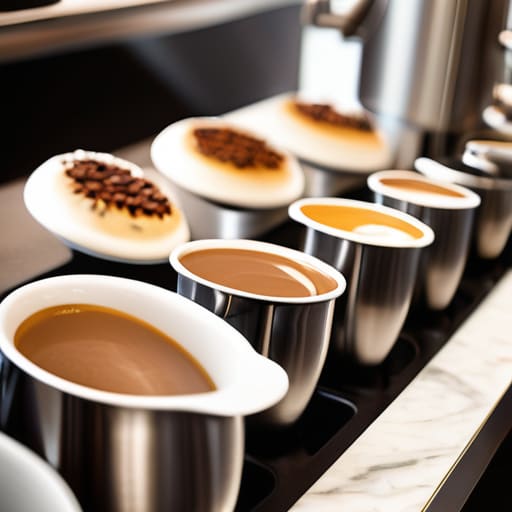
Everyone thinks a coffee break is a moment of rest. In reality, it’s a high-stakes sprint against the biological clock of a room full of people who have been sitting in ergonomic chairs for ninety minutes. If your coffee break scheduling is off by even ten minutes, you aren’t giving them a rest; you’re giving them a frantic scramble. I’ve seen it happen: the speaker runs over, the caffeine station isn’t fully prepped, and suddenly you have a hundred delegates staring at an empty urn while their energy levels plummet. You don’t just need hot water; you need a flow that prevents a bottleneck at the milk station.
The real danger, though, isn’t just the timing—it’s the silent friction of dietary restriction management. When the rush hits, people don’t want to hunt for the gluten-free biscuit or ask three different staff members if the oat milk is actually oat milk. If those labels aren’t bold, clear, and positioned at eye level, your “quick break” turns into a logistical nightmare that eats into your next session. You have to plan for the person who needs to be back in their seat in exactly twelve minutes, not the person who wants to browse the spread like it’s a Sunday market.
The Unseen Infrastructure: Five Ways to Stop Your Refreshments From Becoming a Bottleneck
- The Power Draw Problem: Stop assuming your caterer can just “plug in.” If you’ve got three high-end espresso machines, two warming ovens, and a mobile coffee cart all hitting the same circuit at 10:30 AM, you aren’t getting caffeine; you’re getting a tripped fuse and a very expensive, very quiet room. Check your breakers before you check your menu.
- The “Walk-In” Buffer: Never schedule a refreshment break to end exactly when the next session begins. You need a fifteen-minute buffer for the people who were stuck in a deep conversation, the ones who spilled coffee on their lap, and the inevitable slow-movers. If you don’t build in that margin, your keynote speaker is going to be staring at a room of half-empty chairs and chewing mouths.
- Station Dispersion over Decoration: I don’t care how much the stylist wants one massive, beautiful grazing table in the center of the room. One table means one line. If you have two hundred delegates, you need three or four smaller, functional stations spread across the perimeter. It’s less “Instagrammable,” but it keeps the flow moving and prevents the dreaded “conga line of hunger.”
- The Water Ratio: People will drink more water than you think, especially if the room is stuffy or the coffee is strong. Don’t just rely on the buffet line for hydration. Scatter high-capacity water stations in the corners of the room. If people have to queue for a glass of water, they’ll start looking at the clock, and a restless delegate is a difficult one to manage.
- The Trash Logistics: This is the part the wedding blogs forget. A hundred people finishing sandwiches and tea at once creates a mountain of waste in approximately four minutes. If your catering team isn’t briefed to clear and replace bins during the break, by the end of the session, your “professional environment” will look like a high school canteen. Plan for the cleanup as part of the service, not an afterthought.
The Bottom Line (and the License End)
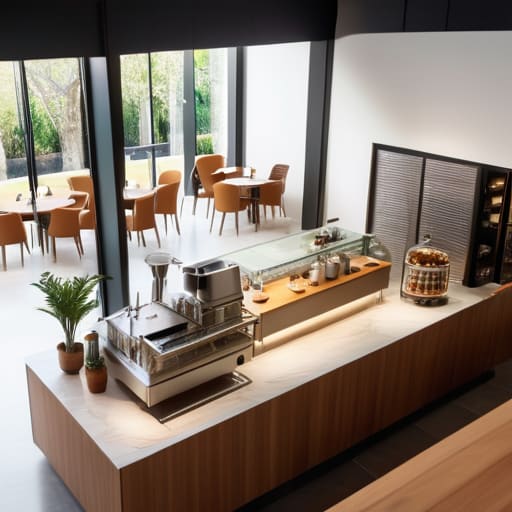
At the end of the day, planning conference refreshments isn’t about choosing between Earl Grey or English Breakfast; it’s about managing the flow of human movement. If you get the buffet math wrong, you get a queue that kills your schedule. If you miss the window for that caffeine hit, you get a room full of nodding, exhausted delegates who aren’t actually listening to your keynote. You have to account for the space the caterers need to actually function, the power required to keep the coffee machines running, and the reality that people move much faster than your spreadsheet suggests. If you respect the logistical friction of a crowd, the food and drink become a seamless part of the day rather than a distraction.
My advice is simple: stop looking at the catering menu as a list of delicacies and start seeing it as a timing mechanism. When you plan for the chaos—the sudden rush for water, the spilled coffee, the person who needs ten minutes just to find a napkin—you aren’t being pessimistic; you’re being prepared. A successful event isn’t one where everything looks perfect in the post-event report; it’s one where the attendees didn’t even notice the logistics because they were too busy actually engaging with the content. Build your schedule around the reality of the turnaround, and the rest will follow.
Frequently Asked Questions
How do I work out if I actually need a seated meal or if a heavy buffet is enough to keep people from checking out by 3 PM?
Stop looking at the menu and start looking at the floor plan and the clock. If your schedule has a massive gap between sessions, a buffet is fine—people need to move. But if you’re trying to transition from a heavy lunch straight into a high-stakes afternoon keynote, a buffet is a trap. You’ll lose twenty minutes to queues and another ten to people hovering over plates. If the afternoon requires focus, seat them. Otherwise, you’re just managing a cafeteria.
What happens to the catering budget when the session runs twenty minutes over and the food is sitting there getting cold?
That twenty-minute overrun isn’t just a scheduling headache; it’s a direct hit to your bottom line. When the session runs long, you’re paying for “holding time”—staff standing around doing nothing while the food loses its integrity. More importantly, you’re paying for waste. By the time your delegates finally break, half that expensive salmon is lukewarm and unappealing, meaning you’ve essentially paid full price for a tray of leftovers. Logistics don’t care about your keynote’s importance.
How much space do I actually need to reserve for the catering staff so they aren't tripping over my delegates?
You aren’t just paying for food; you’re paying for the space required to move it. If you squeeze your caterers into a broom cupboard, you’ll see them performing a frantic, clumsy dance through your delegates’ legs. I tell my clients: budget at least three metres of “back-of-house” clearance for the service area. You need room for plating, prep, and—crucially—a clear path for a tray of hot coffees that shouldn’t be dodging a CEO’s elbow.