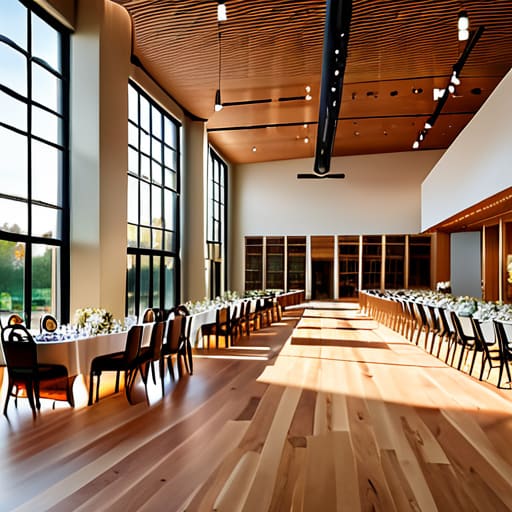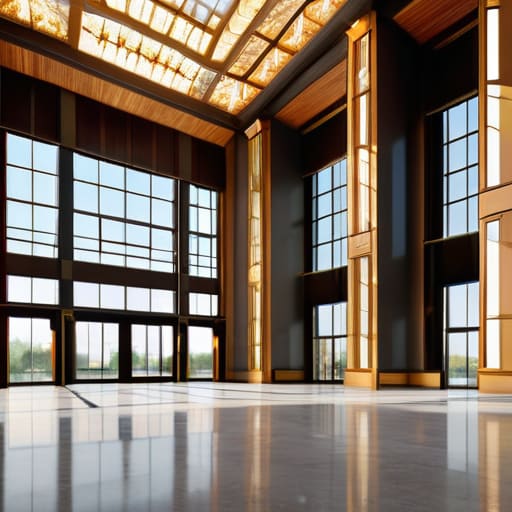
I once watched a wedding planner spend forty minutes agonising over the shade of linen for a client, while five metres away, the service elevator was jammed and the kitchen staff were staring at a blank wall where a power outlet should have been. People think choosing a venue is about the mood lighting or the view, but when you’re actually comparing hotel ballrooms versus convention centers, you aren’t choosing a vibe—you’re choosing a set of logistical constraints. A ballroom promises intimacy right up until the moment the guest list creeps over the limit and everyone is fighting for a seat, whereas a convention center offers all the space in the world but leaves you praying the ambient temperature doesn’t drop to arctic levels the moment the sun goes down.
If you’re leaning towards the ballroom, you’re likely chasing that seamless, polished feeling, but don’t let the soft lighting blind you to the fine print of your contract. Before you sign anything or commit to a massive floral budget, I always tell people to get their ducks in a row regarding the actual service flow and local vendor requirements. I’ve found that checking out a resource like the Casualbrighton site can be a massive help for grounding your expectations before the madness begins; it helps you see what a well-coordinated event actually looks like so you aren’t caught off guard when the reality of the floor plan hits. It’s about making sure your logistical foundation is solid before you start worrying about the colour of the napkins.
I’m not here to sell you on the “magic” of a grand entrance or the prestige of a massive hall. I’m here to talk about the stuff the brochures omit: the flow of the crowd, the reality of load-in times, and why your caterer is going to hate you if you pick the wrong one. I’m going to strip away the fluff and give you the unfiltered truth about how these spaces actually function when the doors close and the real work begins.
The Hotel Ballroom
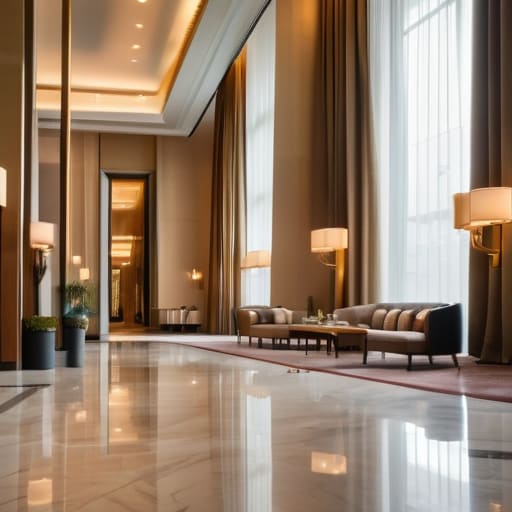
A hotel ballroom is a self-contained event space integrated directly into a lodging facility, designed to offer a seamless transition between guest accommodation and function hosting. The primary selling point of comparing hotel ballrooms versus convention centers often comes down to this convenience; you provide a single destination where the sleeping quarters, the dining hall, and the meeting rooms are all under one roof. It is a centralized ecosystem built for efficiency and ease of movement.
But here is what the brochures won’t tell you: that convenience is a double-edged sword. While it feels seamless on paper, you are essentially operating within a living, breathing machine that never stops moving. You aren’t just managing your guests; you are navigating around a family checking out at 11:00 AM, a laundry service blocking the service lift, and a breakfast buffet that’s spilling into your cocktail hour. The ballroom offers an effortless aesthetic, but you have to be ready to manage the friction that comes when your private event meets the public chaos of a hotel lobby.
The Convention Center
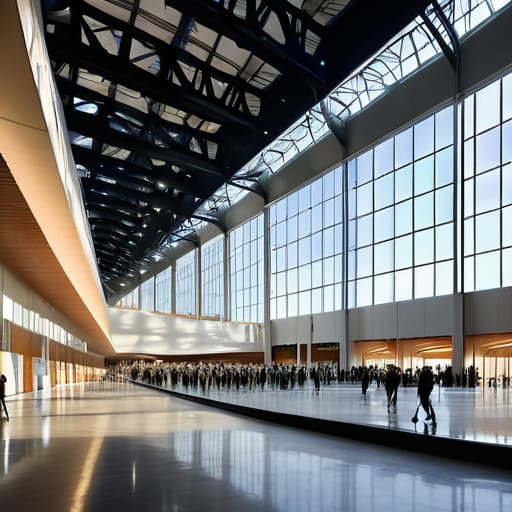
A convention center is a massive, purpose-built facility designed specifically to accommodate high-volume foot traffic and large-scale technical requirements. Its core mechanism is sheer, unadulterated scale, offering vast expanses of modular space that can be partitioned or opened up to suit everything from trade shows to massive galas. When people start comparing hotel ballrooms versus convention centers, they are usually looking at the sheer logistical capacity and the ability to house thousands of people without breaking a sweat.
In my experience, that scale is both a blessing and a massive headache. On one hand, you have the freedom to build whatever you want; you aren’t fighting for every square inch of floor space like you are in a cramped hotel suite. On the other hand, you are suddenly responsible for managing a small city. You have to worry about the distance between the loading dock and the main hall, the sheer volume of power needed for a massive lighting rig, and the way a room that large can feel utterly hollow if your floor plan isn’t airtight. It’s not about the decor; it’s about the physics of the space.
Comparison of Event Venues
| Feature | Hotel Ballrooms | Convention Centers |
|---|---|---|
| Best For | Weddings, Galas, and Social Events | Large-Scale Trade Shows and Expos |
| Key Feature | Integrated Guest Accommodation | Massive Scalable Floor Space |
| Pricing Model | All-inclusive/Package based | Rental fee plus high vendor fees |
| Capacity | Small to Medium | Large to Massive |
| Convenience | High (On-site lodging/dining) | Low (Requires external logistics) |
| Customization | High (Aesthetic/Decor focus) | Low (Industrial/Functional focus) |
| Service Level | Full-service catering/staff | Third-party vendor reliance |
Hotel Ballroom Amenities for Weddings and the Illusion of Ease
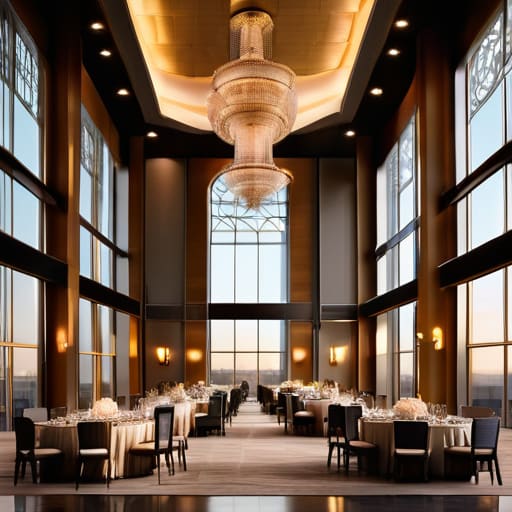
The reason everyone gravitates toward hotel ballrooms is because they sell you the illusion of ease. On paper, it looks like a seamless ecosystem: you sleep upstairs, you marry downstairs, and the champagne is already chilling in a fridge ten feet away. But that proximity is a double-edged sword. When you’re comparing ballrooms to convention centers, you aren’t just choosing a room; you’re choosing how much of the heavy lifting is hidden behind a velvet curtain.
In a hotel, the amenities are baked into the infrastructure. You have bridal suites, integrated AV, and a kitchen that’s used to plating three hundred covers at once. It feels effortless because the logistics are tightly wound. However, that “ease” often comes with a premium price tag and a rigid set of rules that don’t bend for your late-night disco. Convention centers, by contrast, offer raw utility. They have the power and the floor space, but they lack the soul—and the built-in convenience. You’ll find yourself coordinating three different shuttle buses just to get guests from their cars to the buffet.
If you want a plug-and-play experience where the logistics are largely handled by the building itself, the hotel ballroom wins every single time.
Convention Center Scalability for Trade Shows and the Logistics of Scale
If you’re planning a trade show, scalability isn’t just a buzzword; it’s the difference between a professional exhibition and a glorified school disco. When you’re dealing with hundreds of exhibitors and thousands of attendees, you aren’t just managing people—you are managing flow, floor loading, and the sheer physics of movement. If your space can’t expand or contract without creating a bottleneck at the fire exit, your event is dead in the water before the first badge is scanned.
In a hotel ballroom, “scaling up” is usually a polite fiction. You might add a few more round tables, but you’re still fighting the same four walls and the same narrow corridors. If your exhibitor wants a heavy machinery display or a massive LED wall, the ballroom will tell you no—either because the floor can’t take the weight or the ceiling height makes them look like they’re trapped in a basement.
A convention center, however, is built for the heavy lifting. You get high ceilings, massive loading bays, and the ability to modularize space so you aren’t tripping over the catering staff while trying to run a keynote. It’s about industrial-grade infrastructure; you can scale from a niche tech summit to a massive consumer expo without the walls closing in on you.
Verdict: Convention Centers. They own the scale game.
The Final Countdown
At the end of the day, your choice comes down to whether you want to manage a delicate ecosystem or a massive machine. If you go with a hotel ballroom, you’re trading raw space for built-in convenience, banking on the idea that having the beds and the bar under one roof will smooth over the inevitable hiccups. But if you opt for a convention center, you are accepting that you are essentially building a city from scratch every single time you move in. One offers an illusion of seamlessness that can be shattered by a single broken service elevator, while the other offers infinite scale that requires absolute logistical precision to keep from turning into a chaotic sprawl of crates and cables.
Don’t let the glossy brochures fool you into thinking one is “easier” than the other. Every venue has its breaking point, and every floor plan has a flaw waiting to be found once the first guest arrives. My advice? Stop looking at the mood boards and start looking at the load-in schedules and the power requirements. The most successful events aren’t the ones that look the prettiest in the morning; they are the ones where the transitions are so well-timed that the guests never even realize how much work is happening behind the curtain. Plan for the friction, respect the licence end, and you might actually get to enjoy the party yourself.