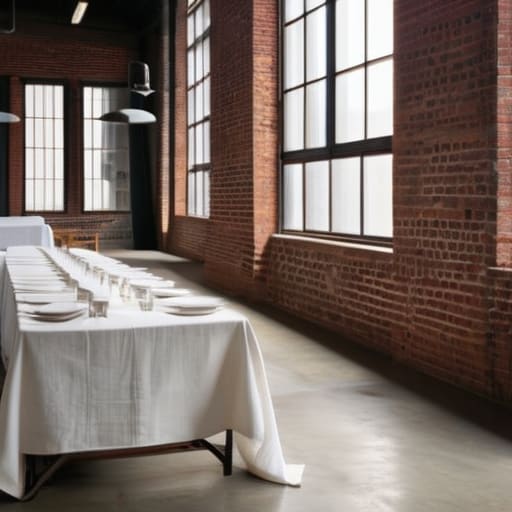
I’ve sat through enough wedding breakfasts to know that when a salesperson starts talking about “seamlessly curated experiences,” they’re usually trying to hide the fact that you’re paying a 30% markup for a linen napkin. Most people approach a brochure thinking they’re buying a dream, but after nine hundred weddings, I can tell you that understanding how venue packages work is less about choosing a colour palette and more about managing a series of inevitable collisions. You aren’t just buying a room and some food; you are buying a set of constraints—fixed timelines, limited power outlets, and a very specific number of forks that must be cleaned before the next course arrives.
I’m not here to sell you on the fairy tale or tell you which floral arch will look best in your Instagram feed. My goal is to pull back the curtain on the actual logistical skeleton of these deals. I’m going to show you how to spot the hidden costs, how to read between the lines of a “comprehensive” package, and how to ensure your caterer doesn’t end up fighting your DJ for the same single socket. We’re going to look at the math and the movement, because the best events aren’t the ones that look the prettiest—they’re the ones that actually run on time.
Table of Contents
The Wedding Venue Package Breakdown Aesthetics vs Infrastructure

When you look at a brochure, you’re seeing the aesthetics: the draped silk, the candlelight, and the way the sunlight hits the champagne flutes at 4:00 PM. That’s the dream. But when you look at a wedding venue package breakdown, you need to be looking at the plumbing. I’ve seen countless couples fall in love with a “package” that promises a fairytale, only to realize mid-reception that the “all-inclusive” price didn’t actually cover the extra power needed for the DJ’s rig or the service charge that just tacked another fifteen percent onto the bill.
The real tension lies in the choice between all-inclusive vs a la carte models. An all-inclusive package is a way to cap your exposure to the unknown, which is smart, but it often comes with a “one size fits most” approach to logistics. If you go the a la carte route, you might feel like you’re saving money, but you’re actually just taking on the job of a logistics manager. You’ll find yourself chasing down the hidden costs in event planning—like the cost of extra staff for a late-night snack or the rental fee for a specific type of linen—that should have been baked into the initial quote.
All Inclusive vs a La Carte Choosing Your Level of Control

When you’re looking at all-inclusive vs a la carte, you aren’t just choosing a menu; you’re choosing how much of the heavy lifting you want to do yourself. An all-inclusive package is the “set it and forget it” option. It’s designed to minimize the number of moving parts, which is a godsend when you’re already juggling a career and a life. You get the room, the tables, the linens, and usually the catering in one neat bundle. It feels safe, but the trade-off is that you’re often paying a premium for a level of standardization that might not actually fit your vision.
On the flip side, the a la carte approach is where the real control—and the real risk—lives. This is where you rent the shell of the room and build every single layer from scratch. It sounds cost-effective on paper, but this is the primary breeding ground for hidden costs in event planning. If you don’t budget for the extra power drops the DJ needs or the specific service staff required to turn a room around in forty minutes, that “saving” will evaporate before the first toast is even made. You’re buying flexibility, but you’re also buying the responsibility of managing every single vendor’s arrival time.
Five Things the Brochure Won't Tell You
- Check the “hidden” staffing ratios. A package might promise “professional service,” but you need to know if that means one waiter for every ten guests or one for every fifty. If it’s the latter, your guests will be staring at empty glasses for the first forty-five minutes of the reception, and no amount of floral arrangements will fix that mood.
- Audit the power requirements before you sign. A package might include a sound system, but if you’re bringing in a high-spec DJ and a mobile cocktail bar, you might trip the circuit breaker halfway through the first dance. Ask exactly how many dedicated circuits are allocated to the entertainment versus the catering.
- Calculate the “Dead Time” math. Most packages give you a block of hours, but they don’t account for the setup and teardown. If your licence ends at midnight, you need to know if the caterers are expected to be out of the building by 12:01 or if they have a window. I’ve seen too many weddings cut short because the cleanup crew’s clock started ticking while the party was still peaking.
- Look past the “Included” menu for the logistics of scale. A package might offer a three-course meal, but check the service flow. Can the kitchen actually plate 120 hot meals simultaneously in the space provided, or are you looking at a staggered service where the last table gets their food cold?
- Verify the “Access Window” vs. the “Event Window.” There is a massive difference between being allowed in the room at 10:00 AM to decorate and having the room available for setup from 8:00 AM. If your florist needs three hours to build an arch and your package only gives you ninety minutes of access, you’re going to have a very stressful morning.
The Bottom Line
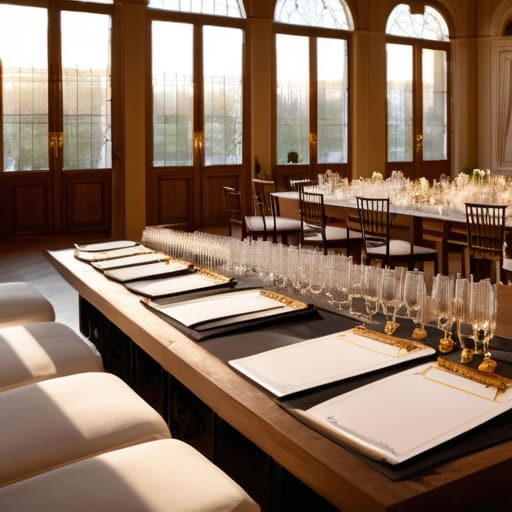
At the end of the day, a venue package is just a way to map out the chaos. You have to decide whether you want the safety of an all-inclusive model—where the heavy lifting of catering and staffing is already baked into the price—or the granular control of an a la carte approach. One protects your sanity, while the other protects your specific vision, but both require you to look past the linen samples and focus on the actual mechanics of the room. If you don’t account for the service gaps, the power requirements, or the transition from the ceremony to the first drink, even the most expensive package will feel like it’s fraying at the edges. Logistics is the invisible foundation of every successful event.
Don’t let the glossy brochures fool you into thinking that a beautiful space is all you need to host a masterpiece. A great event isn’t something that just happens because the flowers arrived on time; it’s the result of a thousand tiny, calculated decisions made months in advance. If you get the timings right and respect the constraints of the building, you create the space for the magic to actually happen. When the infrastructure is solid, the guests don’t notice the logistics—they only notice how much fun they’re having. Plan for the reality, not the dream, and you’ll find that the most effortless nights are the ones where everything was accounted for long before the first guest walked through the door.
Frequently Asked Questions
If I opt for the a la carte route to save money, how much extra am I actually going to pay in "hidden" logistics fees like staffing and setup?
You aren’t just paying for the items; you’re paying for the friction. When you strip away the package, you’re left with the “coordination gap.” If you hire an outside caterer, I’m still the one managing the loading bay, the power draw, and the waste removal. Most venues will hit you with service charges, setup fees, or “external vendor coordination” fees to cover that extra headache. You might save on the plate, but you’ll pay for the logistics.
When a package says "inclusive of drinks," does that mean a steady flow of service, or am I going to be stuck with a twenty-minute queue at the bar the moment the toasts end?
Let’s be clear: “inclusive of drinks” is a line item, not a guarantee of speed. If your package includes a champagne toast and a wine service during dinner, that’s one thing. But if you’ve got eighty people trying to grab a gin and tonic the second the speeches wrap, you’re looking at a bottleneck. Unless the package specifies a dedicated bar team or pre-poured service, expect a queue. Plan for the surge, or plan for disappointment.
How do I know if the "included" catering actually has the physical footprint to serve my guest count without turning the dining room into a bottleneck?
Stop looking at the menu and start looking at the floor plan. I’ve seen “all-inclusive” buffets turn a beautiful ballroom into a slow-motion riot because there was only one access point for the service staff. Ask the venue exactly how many service stations they deploy for your guest count. If they can’t tell you the physical footprint of the buffet setup or how many servers are hitting the floor at once, you aren’t buying a seamless meal—you’re buying a bottleneck.