I’ve spent the better part of two decades watching people obsess over whether the fondant should be matte or pearlescent, while completely ignoring the fact that a four-tier sponge weighs roughly as much as a small child. Most of the wedding blogs out there will tell you that how wedding cakes are planned is a matter of choosing a flavour profile and a colour palette that matches your bridesmaids’ dresses. That’s a lie. If you want to know the truth, you don’t start with the sugar flowers; you start with the floor plan, the stability of the cake stand, and whether your venue’s service corridor is wide enough to get a massive wooden crate through without a total meltdown.
I’m not here to talk about aesthetics or your Pinterest board. I’m here to talk about the logistics that actually matter when the reception is in full swing and the licence end is looming. I’m going to show you the side of the process that nobody photographs: the structural integrity, the temperature control, and the unseen timing required to get that cake from the delivery van to the cutting table without it becoming a heap of crumbs on the floor.
Table of Contents
Beyond the Flavor a Strategic Wedding Cake Tasting Guide
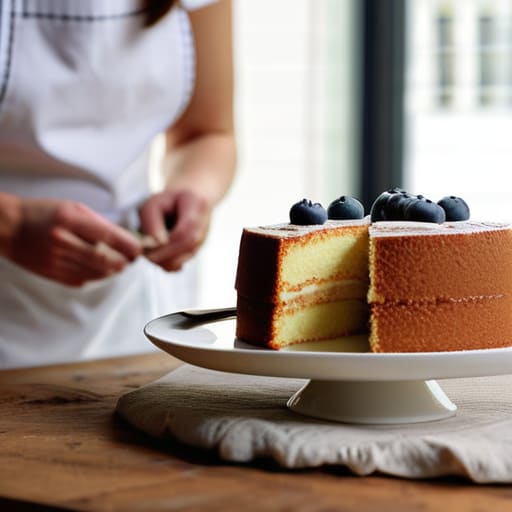
Most people treat a tasting like a blind date where they’re just looking for a spark. They sit there, eyes glazed, picking between vanilla and salted caramel while ignoring the actual mechanics of the day. If you want a proper wedding cake tasting guide, stop focusing solely on the sugar and start thinking about the structural integrity of your choice. A heavy, dense fruitcake behaves very differently in a humid marquee than a light sponge, and if you choose something overly delicate, you’re asking for a structural collapse before the first dance.
You also need to stop thinking about the cake as a standalone art piece and start looking at it as a unit of service. When you’re discussing wedding cake flavor combinations, ask the baker how those flavors hold up after sitting at room temperature for three hours. More importantly, look at the math. I’ve seen too many planners obsess over cake design trends like towering floral installations, only to realize they haven’t calculated the actual cake serving portions per guest. If your cake is more sculpture than food, you’re going to end up with a hungry crowd and a very stressed catering team trying to fix it on the fly.
The Math of Sugar Calculating Cake Serving Portions Per Guest
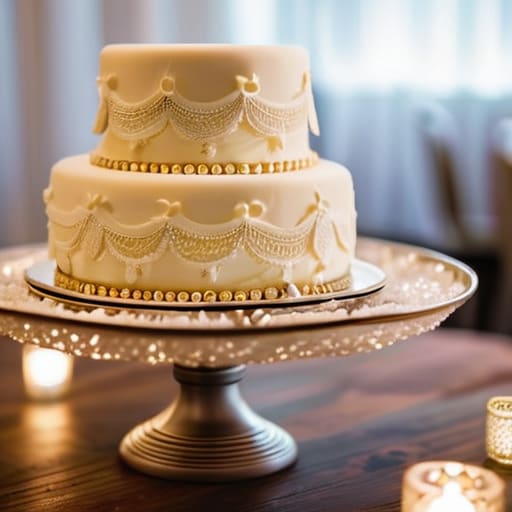
Here is where the math hits the reality of the room. Most people look at a tiered masterpiece and think about the aesthetics, but I look at it and see a headcount problem. When you are calculating cake serving portions per guest, you have to account for the “buffer factor.” You aren’t just feeding the people on your RSVP list; you are feeding the cousin who showed up unannounced and the guest who decides they want a second slice because the champagne is flowing. If you plan for exactly one slice per head, you are one hungry uncle away from a logistical nightmare.
I always tell my clients to look at the ratio of cake to other desserts. If you are leaning into those trendy wedding dessert table ideas—macarons, brownies, or mini tarts—you can afford to scale back the main cake. But if the cake is the sole star of the show, you need to over-calculate by at least ten percent. Remember, once the cake is cut and the plates are moving, the clock is ticking toward that licence end. You want the service to be a smooth transition, not a frantic scramble to slice thin, uneven wedges while the DJ is trying to kick off the dancing.
The Logistics of the Slice: Five Things Your Baker Won't Tell You
- Stop obsessing over the crumb and start looking at the floor plan. I don’t care how beautiful the cake is if the dessert station is tucked in a corner where the service staff can’t reach it, or if it’s sitting right in the middle of a high-traffic thoroughfare where a guest in a heavy gown is going to clip it with their hip.
- The “Cake Table” is a lie. You aren’t just booking a table; you are booking a piece of furniture that needs to support thirty kilos of sugar and sponge without buckling. If you’re renting a flimsy cocktail table from a stylist because it “looks airy,” you are one heavy slice away from a disaster that no amount of lighting can fix.
- Plan for the “Cake Cut” timing, not just the eating. Most people think the cake happens whenever. It doesn’t. If you want to stay on schedule for a midnight licence end, you need to decide if the cake is being cut during the speeches or as a late-night snack. Every minute you spend debating the first slice is a minute stolen from the dance floor.
- Temperature is a silent killer. If your wedding is in July and you’ve planned a buttercream masterpiece for an outdoor marquee, you aren’t planning a wedding; you’re planning a structural collapse. If the venue doesn’t have a dedicated, climate-controlled staging area, your “dream cake” will be a puddle by 8:00 PM.
- The “Hidden” Logistics of the Cut. Who is actually slicing this? If it’s the caterers, they need a dedicated prep space and a knife sharp enough to handle fondant. If it’s the couple, they need to know that cutting a tiered cake is a physical task, not a romantic tableau. Don’t let the “effortless” moment turn into a frantic struggle with a blunt butter knife.
The Final Countdown to Cake
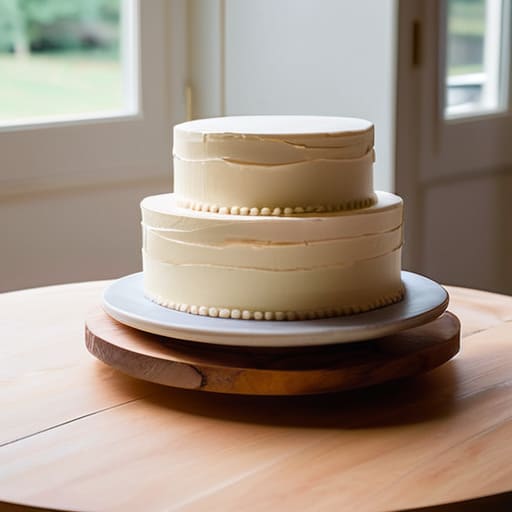
At the end of the day, planning a wedding cake isn’t about picking a flavor profile that sounds good on a menu; it’s about managing the physical reality of your reception. You have to account for the math of the portions so you aren’t left with a mountain of leftover sponge or, worse, a dozen hungry guests staring at an empty platter. You need to coordinate the tasting with your budget, ensure the baker knows exactly where that table is going, and confirm that the venue has the structural integrity to hold a sixty-pound centerpiece. If you’ve checked the power for the display lights and confirmed the serving size against your guest list, you’ve already cleared the biggest hurdles. Logistics are the invisible foundation of every successful dessert course.
Once the cake is sliced and the plates are moving, the stress of the planning phase finally evaporates. People will talk about the sweetness of the buttercream or the beauty of the fondant, but you’ll know the truth: the cake was a success because the timing was precise and the logistics were seamless. Don’t let the pursuit of the “perfect” aesthetic blind you to the practicalities that actually make the moment work. When you get the math and the movement right, you create the space for the guests to actually enjoy themselves. After nine hundred weddings, I can tell you that a well-planned cake is a quiet victory that allows the rest of the night to shine.
Frequently Asked Questions
How much space do I actually need to set aside for the cake table so it doesn't become a tripping hazard for the servers?
Stop thinking about the cake as a centerpiece and start thinking about it as an obstacle. If you tuck a massive table into a tight corner to “save space,” you’ve just created a bottleneck. You need a minimum of 1.5 metres of clearance around the table. Anything less and your servers are playing bumper cars with heavy trays, and your guests are tripping over the linen while trying to reach the dessert station. Plan the footprint, not just the frosting.
What happens to the cake if the reception runs late and we hit the licence end before the cutting ceremony?
Here’s the reality: the licence end is a hard wall, not a suggestion. If you haven’t cut the cake by the time the music stops and the lights go up, you’ve got a logistics crisis, not a dessert problem. If the reception runs over, the cake stays in the kitchen. Don’t panic; we’ll slice it up behind the scenes and serve it with coffee as people depart. Just don’t expect a grand photo op at midnight.
How do I coordinate the cake delivery timing with the caterer’s setup so the icing doesn't melt in a warm venue?
Stop thinking about the cake as a centerpiece and start treating it like a perishable asset. You don’t want that delivery arriving at 11:00 AM if the caterers aren’t even through the service door until noon. Coordinate the drop-off for the absolute last possible window before the ceremony. If the venue’s HVAC is struggling, keep that cake in a cool, dark corner—not under a spotlight—until the exact moment the service team is ready to move it.