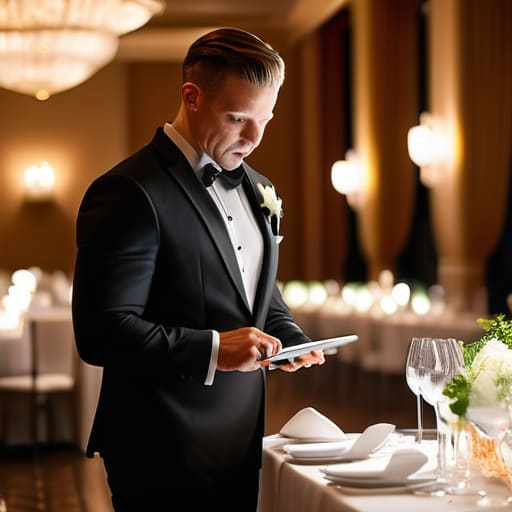
I once watched a wedding planner spend forty minutes arguing with a photographer about “aesthetic synergy” while the caterer was frantically trying to find a power socket that wasn’t buried under a pile of decorative silk. It was a beautiful disaster, and it happened because they hadn’t bothered to understand how preferred supplier lists work beyond the glossy brochure version. People think these lists are just a way for venues to gatekeep or take a kickback, but if you actually understand the mechanics, you realize they aren’t about style—they are about predictability. A list isn’t a fashion statement; it’s a vetted roster of people who know exactly where the service entrance is and won’t blow a fuse ten minutes before the speeches.
I’m not here to sell you on the romance of the industry or help you pick out the perfect shade of champagne gold. Instead, I’m going to pull back the curtain on the logistical reality of these partnerships. I will show you how to use these lists to protect your timeline, manage your budget, and ensure that when the licence end approaches, you aren’t left scrambling because a vendor didn’t know the building’s layout. This is about bulletproofing your event from the ground up.
Table of Contents
Strategic Sourcing Benefits Beyond the Pretty Centerpieces

Look, I’m not here to talk about the shade of blush on the napkins or whether the peonies are in season. That’s for the stylists. When I talk about strategic sourcing benefits, I’m talking about the structural integrity of your event. A vetted list isn’t just a collection of names; it’s a way to bake supply chain efficiency directly into your planning. When I know a decorator understands exactly how my loading bay operates and that they won’t try to squeeze a van through a side door meant for a person, my blood pressure stays manageable.
Beyond the aesthetics, these lists are essentially your primary tool for vendor management strategies that actually work under pressure. When you use a pre-approved list, you aren’t just picking a pretty face; you are selecting for reliability, technical competence, and—most importantly—the ability to follow a timeline. I’ve seen too many “independent” vendors arrive thirty minutes before the licence end, thinking they can pack up in a heartbeat, only to realize they’ve blocked the fire exit. A solid list ensures everyone knows the rules of the house before they even step through the door.
Optimizing the Procurement Process to Avoid Chaos
Optimizing your procurement process isn’t about finding the cheapest quote on a spreadsheet; it’s about building a defensive perimeter around your event timeline. When you move away from the “wild west” approach of hiring whoever has a flashy Instagram feed, you start implementing actual vendor management strategies that protect your sanity. This means vetting for more than just aesthetics. I’m looking for the decorator who understands that if they aren’t through the service entrance by 10:00 AM, they’ve already ruined the 1:00 PM ceremony turnover. You need to bake reliability and logistical compatibility into your selection from day one.
The real magic happens when you formalize your preferred vendor agreements. These shouldn’t be vague handshake deals; they are the blueprints for how your team and theirs will dance together when the pressure is on. I’ve seen a wedding fall apart because a DJ didn’t know where the power sockets were or a florist blocked the fire exit with a massive installation. By tightening your supplier selection criteria, you aren’t just buying a service—you are buying insurance against the inevitable chaos that occurs when a schedule starts to slip.
The Reality Check: Five Ways to Use a Supplier List Without Losing Your Mind
- Treat the list as a vetting process, not a closed door. A good list isn’t a way to gatekeep; it’s a way to ensure the person bringing the heavy lifting—like the AV tech or the marquee company—actually understands that if they’re ten minutes late, the entire evening’s timeline collapses like a cheap folding chair.
- Demand the “Load-In” credentials. When you’re looking at a preferred supplier, don’t just ask for their portfolio of pretty photos. Ask them how they handle a thirty-minute loading window in a narrow alleyway or how they manage power draw when the band plugs in three amps at once. If they stumble on the logistics, they don’t belong on your list.
- Factor in the “Emergency Buffer.” Part of why these lists work is because the suppliers know the venue’s quirks. A preferred caterer knows exactly where our service entrance is and that the service lift sticks if you don’t jiggle the handle. That institutional knowledge is the difference between a smooth transition and a frantic scramble ten minutes before the licence end.
- Check for the “Stress Test” reputation. I don’t care how many Instagram followers your florist has; I care about what they do when the centerpiece gets knocked over by a bridesmaid or when the delivery van gets stuck in traffic. Your preferred list should be populated by people who solve problems quietly, rather than making them your problem.
- Negotiate the “Hidden Costs” upfront. One of the biggest killers of a wedding budget is the “extra” fee that appears three weeks before the event. A solid preferred supplier relationship means the pricing is transparent and includes the boring stuff—the delivery, the setup, the teardown—so you aren’t staring at a surprise invoice while trying to enjoy a glass of champagne.
The Bottom Line

At the end of the day, a preferred supplier list isn’t about gatekeeping or being “exclusive” for the sake of a fancy brochure. It’s about building a predictable ecosystem. We’ve talked about how these lists streamline your procurement, mitigate the risk of a vendor showing up without the right kit, and ensure that everyone—from the DJ to the lighting tech—understands that the licence ends at midnight and we aren’t moving the goalposts. When you vet your suppliers, you aren’t just checking their Instagram feed; you are verifying that they understand the unseen mechanics of a high-pressure event. You are choosing partners who know that a successful night is built on reliable logistics, not just a beautiful mood board.
If you take one thing away from this, let it be this: the most successful events I have ever managed didn’t look like a miracle; they looked like a well-oiled machine. When the suppliers are pre-vetted and the workflows are established, you stop fighting fires and start managing the experience. You move from being a frantic coordinator to a calm conductor. Don’t aim for the kind of perfection that looks good in a single photograph; aim for the kind of operational excellence that allows your guests to forget the logistics entirely. Because when the timings are tight and the crowd is large, the best thing a vendor can provide is the quiet confidence that everything is already handled.
Frequently Asked Questions
If I find a vendor I absolutely love who isn't on your list, am I going to be fighting an uphill battle just to get them through the service entrance?
Look, I’m not here to play gatekeeper for the sake of it. If your photographer is a genius, I want them here. But here’s the reality: my list exists because those people already know where the fuse box is and how to navigate my loading bay without blocking the fire exit. If you bring in an outsider, the burden of proof shifts to you. You’ll need to ensure they can meet our logistical requirements—otherwise, you’re just paying for a beautiful vendor and a massive headache.
Does being on a preferred list mean the venue is getting a kickback, or are these people actually vetted for things like load-in times and power requirements?
Look, let’s address the elephant in the room: the “kickback” suspicion. While some venues play those games, a proper list isn’t about a secret envelope under the table; it’s about risk management. I don’t care how beautiful their mood boards are if they don’t understand my loading bay constraints or try to plug a three-phase DJ rig into a standard socket. I vet them for reliability, timing, and whether they actually respect the licence end.
How much flexibility do I actually have with the budget if I stick to the list versus bringing in my own outsiders?
Look, here’s the reality: sticking to the list gives you a predictable budget, but it’s rarely the “cheapest” option on paper. You’re paying for the peace of mind that they know exactly where my power sockets are. If you bring in outsiders, you might save ten percent on the invoice, but you’ll spend it tenfold on the “logistics tax”—the extra hours my team spends managing a vendor who doesn’t know our loading bay rules.