I once watched a wedding planner spend forty minutes debating the exact shade of blush for the napkins, while the groom’s uncle was practically flagging down a passing taxi because the bar had run dry ten minutes into the reception. Everyone gets obsessed with the aesthetics, but nobody asks the actual, gritty question of how quantities are calculated to ensure the guest experience doesn’t crater by 9:00 PM. If you’re basing your orders on a “feeling” or a Pinterest board, you aren’t planning an event; you’re scheduling a disaster.
I’m not here to give you a spreadsheet of theoretical numbers or some polished industry secret that costs an extra grand. I’m going to tell you how we actually do the math when the pressure is on and the licence end is looming. We’ll look at the real-world variables—the heavy drinkers, the late arrivals, and the hidden logistical gaps—that determine whether your guests are celebrating or staring at empty trays. This is the unvarnished truth about making sure there is enough of everything without throwing your entire budget into a black hole.
Table of Contents
Material Estimation Techniques for the Invisible Details
When you’re looking at a spreadsheet, it’s easy to treat everything like a math problem, but I treat it like a battlefield. Most people think material estimation techniques are just about counting heads and multiplying by a number, but that’s how you end up with a shortage of napkins halfway through a keynote or, worse, a caterer staring at a mountain of leftover salmon. You have to account for the human variable. People don’t eat like robots; they spill, they grab an extra roll, or they decide that the decorative garnish is actually part of their meal.
To avoid the mid-event panic, you need to master calculating buffer amounts that actually reflect reality. I don’t just add a flat ten percent across the board; I look at the specific risk. A seated three-course dinner allows for more standardized portion control, whereas a buffet is a recipe for chaos where people will pile their plates high. You need to build in contingency planning for materials—extra linens, more glassware, and enough stationery—so that when the unexpected guest shows up or a tray of drinks meets a slippery floor, the entire evening doesn’t grind to a halt.
Standardized Portion Control vs the Empty Plate Problem

Standardized portion control is the industry’s attempt to keep sanity in a kitchen, but it often hits a wall when it meets real-world hunger. On paper, the math looks clean: 200 guests, 180g of protein per person, and a predictable yield. But paper doesn’t account for the uncle who skipped lunch or the group of teenagers who treat a buffet like a competitive sport. If you rely solely on rigid standardized portion control without accounting for the human element, you aren’t just risking a shortage; you’re inviting a crisis.
The “Empty Plate Problem” usually happens because someone treated the catering sheet like a static document rather than a living forecast. I’ve seen it happen a dozen times: the kitchen runs out of the main course by table twelve, and suddenly the mood in the room shifts from celebratory to resentful. This is where calculating buffer amounts becomes more than just a suggestion; it’s your primary defense against a logistical meltdown. You don’t need a mountain of leftovers, but you do need that extra ten percent margin to ensure the last person in the room feels just as hosted as the first.
The Real-World Math: Five Rules for Not Running Out of Everything
- Stop counting heads and start counting appetites. A guest who has been standing around for a forty-minute delay in the ceremony is not going to eat a “standard portion”; they are going to eat three. Always buffer your quantities based on the timeline, not just the RSVP list.
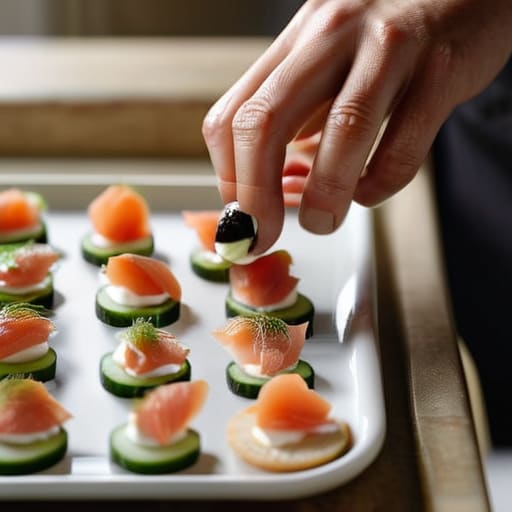
- The “One-to-One” Fallacy. If you have 100 guests, do not order 100 pieces of a passed hors d’oeuvre. In a room of that size, you need at least 1.5 to 2 pieces per person just to ensure the last person in the room doesn’t feel like they’re attending a famine.
- Account for the “Buffer of Chaos.” I always add a 5% to 10% margin on high-velocity items—water, wine, and bread rolls. You can’t “un-order” a shortage once the licence is ticking down and the guests are getting thirsty, but you can always deal with a few leftover bottles of sparkling water.
- Calculate for the “Heavy Hitters.” If your crowd is mostly corporate executives or a group of uncles who have been drinking since the midday sun, your protein and carb estimates need to skew higher. You aren’t just feeding bodies; you’re feeding the specific energy levels of your demographic.
- The Drink-to-Guest Ratio vs. The Time Factor. Don’t just calculate total bottles; calculate the flow. If you have a two-hour cocktail window, you need a higher volume of immediate-access liquids than if you have a three-course seated dinner. If the math doesn’t account for the speed of service, you’ll have a queue that kills the mood before the first course even hits the table.
The Final Countdown

At the end of the day, calculating quantities isn’t about mastering a spreadsheet; it’s about anticipating human behaviour. You can have the most elegant material estimates and the most precise portion controls in the book, but if you haven’t accounted for the uncle who drinks like it’s his job or the sudden rush for the bar when the speeches wrap, your numbers will fail you. You have to look past the guest list and see the logistical reality of the room. Remember, every calculation is a buffer against chaos. If you get the math right, you aren’t just ordering food and drink; you are buying yourself peace of mind when the licence end starts looming and the pressure begins to mount.
Don’t let the spreadsheets intimidate you. Every seasoned pro I know started exactly where you are, staring at a list of names and wondering if ten bottles of Prosecco is a stroke of genius or a recipe for a disaster. The secret is that the most seamless, “effortless” events I have ever managed were actually built on a foundation of obsessive, granular planning. When you nail the quantities, you stop being a fire-fighter and start being a host. Get the math done early, double-check your margins, and then—for the love of everything holy—trust your preparation so you can actually enjoy the party.
Frequently Asked Questions
How do I account for the "heavy drinkers" vs. "tea and toast" crowd without ending up with fifty bottles of leftover gin?
You don’t balance the scales by guessing; you balance them by looking at the guest list like a data set. I look for the outliers. If you’ve got a cohort of university mates, you budget for heavy pours. If it’s a wake or a midday garden party, you pivot to the tea and toast crowd. I always build a 15% “buffer” into the spirits, but I keep the high-end gin on a strict contingency order.
What’s the actual buffer percentage I should add to my food orders to cover unexpected guests without paying for a mountain of waste?
Look, if you’re aiming for a 5% buffer, you’re playing a dangerous game with a hungry crowd. I always tell my clients to bake in a 10% margin for the food, but here’s the trick: don’t just order more expensive protein. Order extra starch, bread, and heavy sides. If an uninvited cousin shows up, they’ll eat the extra risotto, not the extra wagyu. It covers the gap without turning your leftovers into a mountain of waste.
How do I calculate quantities for a buffet versus a plated meal when the timing of the service is already running twenty minutes behind?
When you’re twenty minutes behind, the math changes because the guest psychology changes. For a plated meal, you stick to the prep; the delay is just a lull in conversation. But a buffet? A delay is a disaster. Hungry guests become aggressive guests. If you’re running late, you need to increase your protein and starch buffers by 15%. You can’t afford a “running out” moment when people are already staring at their watches.