
I’ve spent eighteen years watching people fall in love with a venue’s aesthetic only to have their entire wedding day dismantled by a single, poorly worded clause. You see the Pinterest boards, the fairy lights, and the hand-lettered signage, but nobody shows you the fine print that dictates whether your caterer can actually plug in their ovens or if your music has to die at 11:00 PM sharp because of a licensing restriction you ignored. Most people think they need a “complete guide to venue contracts” that explains how to pick the prettiest ballroom; what you actually need is a guide that tells you why your dream venue might end up being your biggest logistical nightmare.
I’m not here to sell you on silk linens or floral arches. I’m here to talk about the stuff that actually keeps me up at night: access times, power loads, and the hidden costs that appear when your “simple” setup requires three extra meters of clearance you didn’t budget for. This isn’t a lecture on legal jargon; it’s a reality check based on nine hundred weddings. I’m going to walk you through the essential mechanics of your agreement so that when the day arrives, the only thing you’re worrying about is how much champagne is left in the bucket.
Table of Contents
Decoding Event Venue Rental Agreement Terms

When you sit down with a stack of papers, don’t let the legalese lull you into a false sense of security. Most people skim the “Services” section because it looks pretty, but the real teeth of the document are buried in the fine print. You need to look specifically at the vendor access and load-in rules; if your florist thinks they can roll a van up to the front door at 10:00 AM, but my loading bay is strictly reserved for catering until noon, you’ve got a fight on your hands before the first guest even arrives.
Then there’s the matter of what happens when the world goes sideways. I’ve seen enough “unforeseen circumstances” to know that a vague force majeure clause in event contracts is a recipe for a legal headache. You aren’t just paying for the room; you are paying for the guarantee that the room exists and is functional. Likewise, don’t ignore the venue damage liability clauses. I don’t care how much you spent on the silk linens—if a guest decides a champagne tower is a target for a rogue game of indoor football, you need to know exactly where your responsibility ends and mine begins.
Managing Vendor Access and Load in Rules
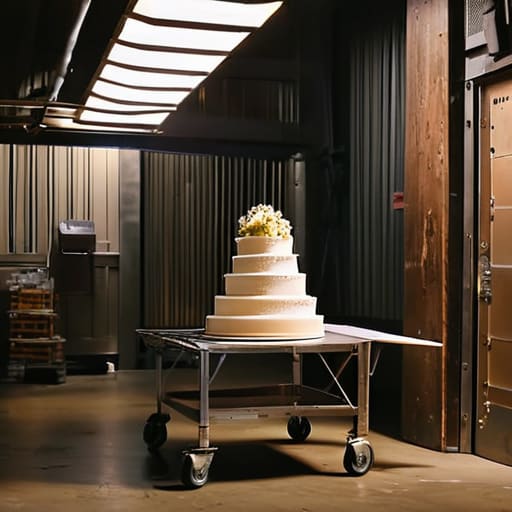
Here is where the “effortless” dream usually meets a heavy-duty freight elevator. When you’re looking at your vendor access and load-in rules, don’t just check the time—check the physics. I’ve seen a three-tier cake and a massive floral installation arrive at a venue only to realize the service lift is too small or the loading bay is shared with a grocery delivery at the exact same hour. If your contract doesn’t specify a dedicated window for vendors, you aren’t planning a wedding; you’re planning a traffic jam.
You also need to look closely at the venue damage liability clauses tucked into those fine print sections. Most people focus on the deposit, but the real headache starts when a florist’s heavy centerpiece cracks a floor tile or a DJ’s subwoofers blow a fuse. I always tell my clients: ensure your vendors have their own professional indemnity and that they’ve actually read the floor plan. If they show up expecting a wide-open ballroom but find a narrow corridor and a staircase, your schedule is dead before the first guest even arrives.
The Logistics Checklist: Five Things Your Contract Probably Missed
- The “Hard Stop” Reality Check: Don’t just look at when the party ends; look at when the music actually has to die. If your licence ends at midnight, that’s when the noise stops, not when the guests head to the taxi rank. If your contract doesn’t account for the ‘wind-down’ period, you’ll be paying for an extra hour of venue time just to get your guests out the door.
- The Power and Plug Problem: A florist can bring the most stunning lighting rig in the county, but if your contract doesn’t specify the amperage available in the hall, you’re going to trip a breaker halfway through the first dance. Make sure your contract guarantees specific power access for your heavy hitters—caterers, DJs, and lighting crews—so you aren’t sitting in the dark.
- The Hidden “Turnaround” Tax: Most people plan for the ceremony and then plan for the dinner. They forget the sixty minutes in between where the room has to be transformed. Check your contract for “turnaround” clauses; if the venue requires a fee for staff to move tables while guests are mid-canapé, you need to know that cost upfront.
- The “Force Majeure” That Isn’t About Acts of God: Everyone knows about the “rain cancels the wedding” clause, but what about the “the caterer’s van broke down and the road is closed” clause? Ensure your contract defines what happens when a vendor fails, not just when the weather does. You need to know who bears the financial hit when the logistics chain snaps.
- The Exit Strategy and Cleaning Clause: I’ve seen too many people get hit with a massive “damage and cleaning” bill because they thought “venue hire” included taking away the leftover champagne bottles and the confetti. Read the fine print on what constitutes “broom clean” and who is responsible for the post-event debris. If you don’t clarify it, you’ll be paying for it.
The Reality Check

At the end of the day, a venue contract isn’t just a stack of legal jargon designed to bore you; it is your only real defense against a day that can spiral into chaos in under ten minutes. You’ve looked at the fine print on vendor access, you’ve mapped out the load-in times, and you’ve hopefully accounted for that caterer who needs more space than you initially thought. If you haven’t secured your hard stop on the music licence or confirmed exactly when the doors actually lock, you aren’t planning an event—you’re just hoping for the best. And in my experience, hope is not a logistical strategy.
Don’t let the Pinterest boards and the colour swatches distract you from the bones of the operation. When you get the timings right, when the power supply is sufficient, and when the access routes are clear, you create the space for something much more important to happen. The magic people talk about in wedding speeches doesn’t come from the linen choice; it happens because the logistics were so seamless that nobody even noticed they were there. Plan the grit, manage the constraints, and master the clock, and you’ll find that the most beautiful moments are the ones that actually have the room to breathe.
Frequently Asked Questions
What happens to my deposit if the venue has a power failure or a burst pipe two hours before the ceremony?
If a pipe bursts or the grid goes down two hours before the “I dos,” you aren’t just looking at a mess; you’re looking at a breach of contract. Most standard agreements include a force majeure clause, but you need to check if “infrastructure failure” is explicitly covered. If the venue can’t provide the basic utilities promised, they haven’t delivered the service. You shouldn’t just get your deposit back; you should be fighting for a full refund and damages.
How do I negotiate for extra time during the load-out without getting hit by massive overtime fees?
Stop asking for “extra time” and start asking for a “staggered strike.” If you try to negotiate an extra two hours for everyone to pack up at once, the venue sees a massive billable window. Instead, negotiate a grace period specifically for the heavy lifters—the caterers and AV teams—to clear out while the guests are leaving. If you bake the vendor load-out into the core contract rather than tacking it on as an afterthought, you avoid the “emergency overtime” rates that kill your budget.
If the contract says "standard catering setup," how do I ensure that actually includes the space and power my specific vendor needs to function?
“Standard catering setup” is the most dangerous phrase in a contract. To a venue manager, that might mean a trestle table and a single socket. To a high-end caterer with induction hobs and coffee machines, it’s a recipe for a blown fuse and a cold dinner. Don’t leave it to chance. Get your caterer’s technical rider, send it to the venue, and get a written confirmation that the power load and floor space are guaranteed.