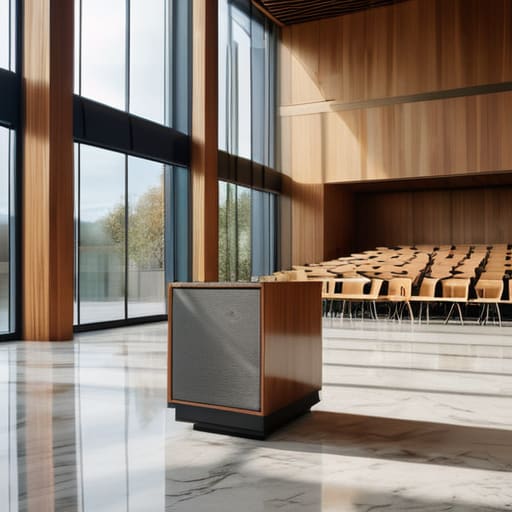
I was standing at the back of a wedding reception last June, watching a bride cry tears of pure frustration because she couldn’t hear her own father’s toast. The room was stunning—velvet drapes, gold-leaf ceilings, the works—but it sounded like a clattering tin can. People think you can fix a bad room with a better DJ or a more expensive microphone, but they’re wrong. The truth is that how venue acoustics affect events is rarely about the tech; it’s about the physics of the space itself. You can spend ten grand on a sound system, but if that room is designed to bounce every syllable off a marble floor, your guests aren’t listening to the sentiment—they’re just straining to hear.
I’m not here to sell you on more equipment or fancy-sounding terminology that doesn’t mean a damn thing when the room is full. I want to talk about the practical reality of sound management: how floor coverings, ceiling heights, and even the number of bodies in the room change the game. I’m going to show you how to spot a sonic disaster before you sign the contract, so you aren’t left paying for a beautiful room that nobody can actually talk in.
Table of Contents
Fighting the Echo Why Sound Absorption Materials Matter
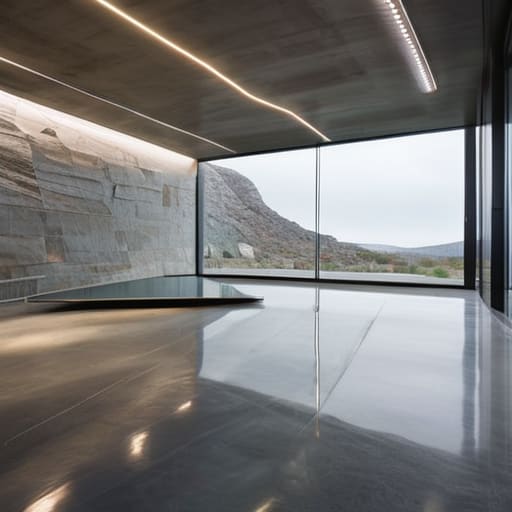
I’ve stood in rooms that looked like a million bucks—all polished concrete, floor-to-ceiling glass, and high-gloss ceilings—only to watch a keynote speaker struggle through a speech that sounded like they were shouting from the bottom of a well. It doesn’t matter how much you pay the AV team; you cannot fix physics with a better microphone. When you have hard, reflective surfaces everywhere, sound waves just bounce around like a pinball machine. This is where sound absorption materials stop being a luxury and start being a necessity. If you don’t have something in the room to actually catch those waves, you aren’t hosting an event; you’re hosting a shouting match.
The trick isn’t necessarily heavy-duty soundproofing—I’m not talking about building a bunker—but rather smart echo reduction in event spaces. I’m talking about heavy drapes that can be pulled shut, thick carpeting, or even those acoustic panels that people try to hide behind the floral arrangements. You need something to soak up the chatter so the ambient noise levels don’t climb to a point where your guests are leaning in so far they’re practically falling off their chairs just to hear the person next to them.
Managing Ambient Noise Levels Before the First Toast
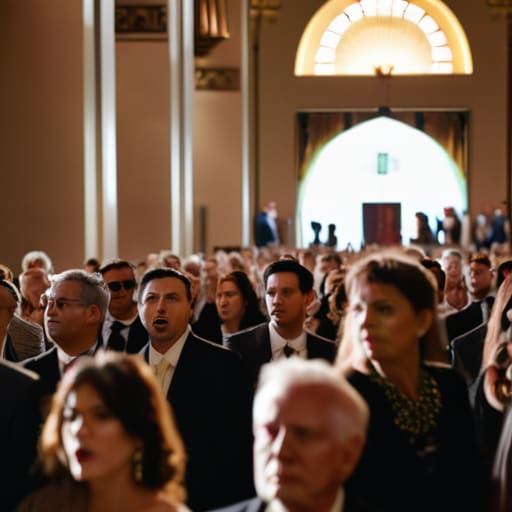
Everyone thinks the real battle starts when the band kicks in, but they’re wrong. The real fight is the low-frequency hum that builds up during that awkward cocktail hour when two hundred people are all trying to have a “private” conversation at once. If your room has high ceilings and hard floors, you aren’t just dealing with a bit of chatter; you’re dealing with a wall of sound that makes everyone feel like they have to shout just to be heard. I’ve seen more weddings derailed by a guest’s inability to hear their own partner than by a bad DJ.
When you’re trying to manage ambient noise levels before the first toast, you have to look at the floor, not just the ceiling. It’s the difference between a room that feels energetic and one that feels chaotic. If you haven’t considered how the furniture or the carpet might assist with echo reduction in event spaces, you’re essentially setting a trap for your keynote speakers and your wedding party. By the time the speeches start, if the baseline noise is already too high, no amount of microphone tweaking will save your audio clarity.
The Logistics of Listening: 5 Ways to Stop Your Guests from Shouting Over Their Own Dinner
- Position the mic, not the person. I’ve seen a hundred speeches ruined because the speaker stood six feet away from the stand like they were socially distancing from the sound system. If the person speaking isn’t right in the sweet spot of the mic, you might as well just tell everyone to shout.
- Watch the floor plan’s “sound shadows.” If you tuck the elderly relatives into a corner right next to a heavy-duty air conditioning unit or a kitchen service door, they aren’t participating in the wedding; they’re just sitting in a wind tunnel. Place your quietest guests as far from the mechanical hum as the floor plan allows.
- The “Clinking Glass” Threshold. You can have the most expensive menu in the city, but if the room is a glass-and-stone echo chamber, the sound of fifty people clinking wine glasses will sound like a car crash. If you know the room is “live,” you have to over-compensate with a much higher quality PA system than the brochure suggests.
- Respect the speaker’s physics. When the room gets full, the “noise floor” rises. As more bodies enter the space, they actually act as natural sound absorbers, which is good—but as the volume of conversation goes up, people instinctively shout to be heard, creating a feedback loop that ends with everyone losing their voices by 10:00 PM.
- Test the “Speech-to-Service” ratio. If your caterers are doing a heavy tray-run right as the Best Man starts his toast, the clatter of plates against marble will kill the moment. Plan your service timings so the heavy movement happens during the music or the meal, never during the words that people actually paid to hear.
The Bottom Line on Sound
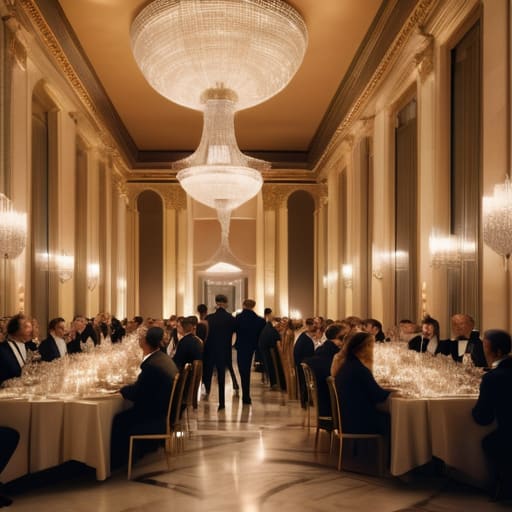
At the end of the day, you can spend your entire budget on a bespoke linen service and a five-tier cake, but if your guests are leaning in so far to hear each other that they’re practically touching foreheads, the evening is a failure. We’ve talked about the physical necessity of absorption materials and the subtle art of managing ambient noise, but the lesson is simple: acoustics aren’t an “extra” or a luxury add-on. They are the invisible infrastructure of a successful event. If you don’t account for how sound travels through your specific space, you aren’t just risking a bit of a buzz; you are risking the entire social flow of the room. You have to plan for the physics of the space before you start picking out the centrepieces, because once the room is full, you cannot negotiate with the echo.
My advice? Stop looking at your floor plan as just a way to fit more tables and start looking at it as a way to manage energy. A well-managed room allows for those quiet, intimate moments between guests and the high-energy roar of the dance floor without one destroying the other. When the logistics of sound are handled, the event stops feeling like a struggle and starts feeling like a celebration. It’s the difference between a room that feels chaotic and one that feels effortless. Remember, the best-run events are the ones where the guests don’t even notice the acoustics—they just notice how much fun they’re having.
Frequently Asked Questions
If I’ve already booked a room with terrible echoes, are there any quick fixes I can implement on the day without a massive renovation budget?
Look, I’m not going to tell you to hang heavy velvet drapes if you’ve only got forty-eight hours before the doors open. That’s a losing battle. Instead, use what you have: soft goods. More tablecloths, more cushions, even those heavy decorative throws. If it’s a dining setup, more linen is your best friend. It’s about breaking up the flat, hard surfaces that bounce sound around like a pinball machine. It’s not pretty, but it works.
How do I balance the need for good acoustics with a client who is dead-set on using hard, modern surfaces like polished concrete or glass?
Look, I’ve been there. The client sees a sleek, polished concrete floor and thinks “minimalist chic,” but I see a giant reverberation chamber. You won’t win a fight against a vision, so don’t try. Instead, hide the physics. Use heavy, floor-length drapery to soak up the bounce, or tuck thick, decorative rugs under the dining tables. It’s about tactical absorption—softening the room where the eye isn’t looking so the ears don’t suffer.
At what point does the noise from the bar or the kitchen start to actively fight against the sound system during the speeches?
It’s a sliding scale, but the fight starts the second the bar staff begins the “clatter dance.” Once you have the rhythmic thud of ice hitting glass, the hiss of the espresso machine, and that low-frequency hum from the kitchen extraction fans, your sound system is already losing. If your guests have to lean in to hear the best man, you’ve already crossed the line. Once they’re shouting, the logistics have failed.