I once watched a bride weep—not because of the vows, but because her “dreamy” garden marquee had turned into a humid, dimly lit oven that smelled faintly of damp canvas and desperation. Everyone spends months obsessing over the silk linings and the fairy lights, but nobody ever asks the real questions about how marquees and temporary structures work when the wind picks up or the local power grid decides to give up the ghost. You can have the most expensive floral installation in the county, but it won’t mean a thing if your guests are standing in a puddle because you didn’t account for the ground level or the drainage.
I’m not here to sell you on a mood board or a Pinterest aesthetic; I’m here to talk about the unseen skeleton of your event. In this guide, I’m going to strip away the marketing fluff and give you the actual mechanics of temporary spaces—from calculating power loads for a catering team to the nightmare of site access. We’re going to cover the logistics that actually matter so that when the licence end approaches, you’re focused on the party, not wondering if your ceiling is about to become your floor.
Table of Contents
The Invisible Math of Wind Load Calculations for Tents
Most clients see a marquee as a pretty white canopy; I see it as a giant, expensive sail waiting for a gust of wind to turn it into a disaster. You can have the most expensive silk linings in the world, but they won’t matter if you haven’t accounted for the wind load calculations for tents in your specific location. It’s not just about whether it’s raining; it’s about how much pressure that fabric is catching when a sudden squall hits a valley or a coastal site.
The math happens long before the first peg is driven into the dirt. We’re looking at temporary structure stability factors like the height of the structure, the weight of the internal fittings, and the surface area of the walls. If you’re running a heavy wedding breakfast with massive floral installations inside, that extra weight changes the center of gravity. You have to balance the tensioning systems for fabric structures against the reality of the weather forecast. I’ve seen planners get caught out because they assumed a “light breeze” was the standard, only to realize that ground fixation methods are the only thing standing between a beautiful evening and a very expensive pile of canvas.
Ensuring Structural Integrity of Event Marquees Under Pressure
When you’re standing in the middle of a reception, you aren’t thinking about the physics holding the ceiling above your head; you’re thinking about whether the salmon is coming out warm. But I am. I’ve seen a sudden gust turn a beautiful canopy into a sail, and that is when you realize that structural integrity of event marquees isn’t a suggestion—it’s a non-negotiable requirement. It isn’t just about having heavy weights on the legs; it’s about understanding how the entire system reacts when the weather decides to stop cooperating.
The real work happens where the structure meets the earth. Depending on whether you’re on a manicured lawn or a concrete courtyard, your ground fixation methods will change entirely. If you’re on grass, we’re talking deep-driven stakes; if you’re on hardstanding, we’re looking at massive concrete ballast blocks. You cannot compromise here. If the tensioning systems for fabric structures aren’t tightened to the exact specification, the fabric starts to flap, the wind load builds, and suddenly your “dream wedding” becomes a high-stakes engineering crisis. We plan for the worst so the guests can enjoy the best.
The Stuff Your Mood Board Won't Tell You
- Forget the aesthetic for a second and look at the floor. If you’re putting a marquee on uneven grass or a slope, you aren’t just “setting up a tent”; you’re building a level platform. If that base isn’t dead-on, your tables will wobble, your champagne will slide, and your caterers will spend half the evening cursing the topography instead of plating the food.
- Power is the silent killer of every outdoor event. You can have the most expensive lighting package in the county, but if you haven’t calculated the draw for the coffee machines, the DJ’s subwoofers, and the catering ovens, you’re going to blow a fuse twenty minutes after the first toast. Always, always over-spec your generators.
- The “Access Gap” is where most planners lose their minds. You need to map out exactly how a heavy crate of glassware or a loaded food trolley gets from the delivery van, through the marquee entrance, and into the prep area without hitting a guy in a tuxedo or a decorative flower arrangement. If the path is too narrow, your logistics are dead on arrival.
- Lighting isn’t just about “ambience”; it’s about safety and the licence end. You need enough functional light so people don’t trip over guy ropes in the dark, but enough control so you aren’t blinding the guests during the speeches. I’ve seen too many events go sideways because someone couldn’t find the bar in a pitch-black corner.
- Respect the “Turnaround Window.” A marquee is a closed ecosystem. Once the ceremony is done and the guests move to the drinks reception, you often have a very tight window to transition the space for dinner. If your structure doesn’t allow for quick movement of furniture or easy access for the cleaning crew, that “effortless” transition will feel like a frantic scramble.
The Reality Check
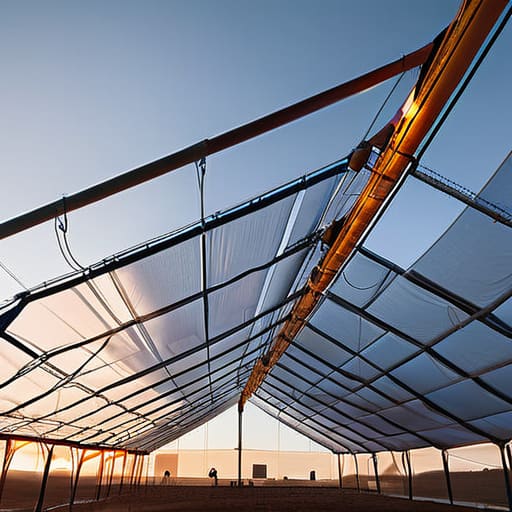
At the end of the day, a marquee isn’t just a piece of canvas; it is a living, breathing ecosystem that demands respect. We’ve talked about the math behind the wind loads, the necessity of structural integrity, and the invisible web of power and access that keeps the lights on and the champagne flowing. If you ignore the technicalities—the ground levels, the drainage, or the way a sudden gust turns a beautiful canopy into a sail—you aren’t planning an event, you’re just gambling with someone’s once-in-a-lifetime moment. My advice? Stop looking at the mood boards for a second and start looking at the logistical foundation that actually holds the structure together.
Once you have mastered the physics and the floor plans, that is when the magic actually happens. When the power is stable, the wind isn’t threatening the pegs, and the catering team has exactly the three metres they need to move, the guests won’t notice any of it. They won’t see the calculations or the heavy-duty anchoring; they will only see a seamless, beautiful space where they can dance and celebrate. That is the ultimate goal: to build something so structurally sound and perfectly planned that it feels completely effortless. That is how you turn a temporary structure into a memory.
Frequently Asked Questions
How much extra space do I actually need to set aside for the catering team's prep area and power generators so they aren't tripping over the guests?
You’re looking at your floor plan and seeing a beautiful dance floor, but you’re forgetting the engine room. For a standard wedding, don’t just budget for the plates; budget for the chaos behind them. You need at least a 5×5 metre zone for prep alone, plus a dedicated, ventilated spot for the generator at least ten metres from the guest area. If you don’t, your caterer will be dodging guests just to find a socket.
What happens to the timeline if the weather turns and we have to move the entire setup from the lawn to a hardstanding area?
You don’t just “move” a marquee; you initiate a logistical crisis. If the rain hits and you’re pivoting from lawn to hardstanding, your timeline doesn’t just slip—it evaporates. You’re looking at a minimum two-hour reset for guest reallocation, plus the chaos of moving catering equipment and power runs. If your licence ends at midnight, you’re now fighting to get the first drink poured by 8:00 PM. Plan for the pivot, or the pivot will plan you.
How do I calculate the actual power requirements for a full band and catering equipment without blowing a fuse mid-reception?
You don’t “calculate” it; you audit it. Stop looking at the band’s rider and start looking at the catering team’s coffee machines and warming ovens. Those are the silent killers. A full band pulls a steady load, but a caterer plugging in three industrial hot plates at once is what sends the lights flickering during the first dance. Map every high-draw appliance, add a twenty-percent safety buffer, and for heaven’s sake, never daisy-chain extension leads.