If you spend any time reading industry blogs, you’ll see a thousand “complete guide to conferences” articles that spend ten pages talking about keynote inspiration, branding, and the “magic” of networking. Let me tell you something: magic doesn’t pay the electric bill, and it certainly doesn’t fix a broken Wi-Fi signal when three hundred delegates all try to log on at once. I’ve spent eighteen years watching high-concept visions crumble because someone forgot to check if the catering team had enough floor space to actually move a trolley, or if the AV setup could handle the sheer voltage of a live demo. A conference isn’t a vision board; it’s a massive, moving machine of power cables, dietary requirements, and ticking clocks.
I’m not here to sell you on the aesthetics of a well-lit stage. My goal is to give you the unvarnished reality of what it takes to keep that machine running without it grinding to a halt by lunch. This is a guide built on the lessons learned from the logistical disasters I’ve had to clean up behind the scenes. We are going to talk about the stuff nobody photographs: the precise timing of the coffee breaks, the exact footprint your vendors need, and how to manage the inevitable friction when the schedule starts slipping.
Table of Contents
Conference Venue Selection Measuring Meters Not Just Aesthetics
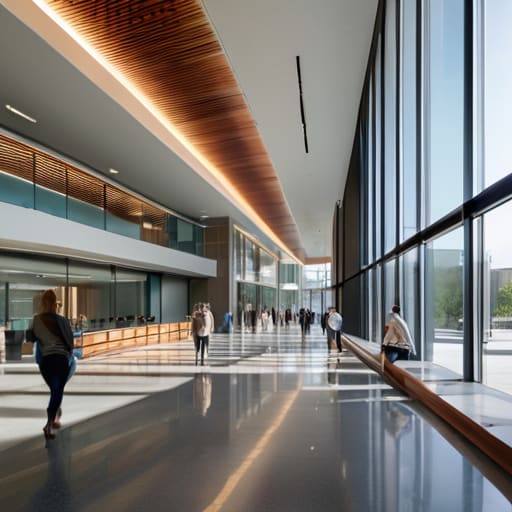
When you’re looking at venue brochures, you’re going to see high-res photos of linen-draped tables and mood lighting. Ignore them. I’ve spent two decades watching people book a room that looks stunning on a screen, only to realize during setup that the “spacious” plenary hall is actually a bottleneck waiting to happen. True conference venue selection isn’t about the color of the carpet; it’s about the floor plan. If your registration desk is tucked into a narrow corridor, you’ve already lost the morning. You’ll have a queue snaking out the door before the first coffee is even poured, and that’s when the conference attendee experience starts to sour.
You need to measure the “dead zones”—those awkward gaps between the stage and the catering stations. If your caterers need three meters for a buffet setup but you’ve squeezed the seating to fit an extra ten delegates, you’ve created a logistical nightmare. I’ve seen entire schedules derail because people couldn’t physically move from a workshop to a lunch break without a human crush. When organizing professional seminars, stop looking at the decor and start looking at the flow of movement. If the math doesn’t work on a floor plan, it won’t work on the day.
Event Scheduling Strategies the Art of the Seamless Turnaround

Everyone treats a conference schedule like a list of things to do, but a real pro treats it like a countdown. If your keynote ends at 11:00 AM, you don’t schedule the next session for 11:05. You haven’t accounted for the “human drift”—that inevitable, slow-motion migration of three hundred people trying to find a charging port or a bathroom at the same time. When applying event scheduling strategies, you have to build in the friction. I always tell my clients to pad every transition by at least fifteen minutes. If you don’t, you aren’t managing a seminar; you’re managing a crowd of frustrated people staring at an empty stage.
The real danger zone is the transition from a seated session to a networking session planning phase. This is where the conference attendee experience usually goes to die. If you move people from a cramped theater straight into a tight breakout area without a buffer, the energy doesn’t rise—it curdles. You need to account for the physical reality of movement. Give them time to breathe, time to grab a coffee, and time to actually talk. If the schedule is too tight, they won’t network; they’ll just be looking for the nearest exit.
The Unsexy Essentials: 5 Ways to Stop Your Conference from Derailing
- Map your power requirements before you fall in love with a room. I’ve seen more conferences die in the first twenty minutes because a presenter’s laptop couldn’t find a socket, or a catering trolley tripped a breaker that was already struggling to run the coffee urns. If you have more than ten people needing a charge or a screen, you don’t just need “outlets”—you need a dedicated power plan.
- The “Buffer Zone” is not a suggestion; it is a survival tactic. If your keynote ends at 11:00 AM, do not schedule the coffee break for 11:00 AM. You need fifteen minutes of dead air for the crowd to migrate, the speakers to settle, and the inevitable person who asks a “quick question” to finish their monologue. Without that buffer, you aren’t running a schedule; you’re running a countdown to chaos.
- Treat your catering staff like they are part of the engineering team. A caterer isn’t just there to move plates; they are a logistical unit that needs space to move, water to wash, and a clear path to the service entrance. If you haven’t accounted for the three metres of “swing space” a tray-service team needs to navigate a crowded room, your “elegant networking lunch” will turn into a high-speed obstacle course.
- Audition your AV like your life depends on it. I don’t care how much you spent on the branding or the stage decor; if the mic feedback squeals or the slide deck won’t load, the room will turn on you in seconds. Run every single piece of tech in the actual space, at the actual time of day, with the actual equipment being used. “It worked in the office” is the most expensive sentence in event management.
- Plan for the “Licence End” mentality, even if you aren’t serving alcohol. Every event has a hard stop—whether it’s the venue’s lease, the building’s noise curfew, or the fact that your keynote speaker has a flight at 6:00 PM. Work backwards from that moment. If the doors close at 5:00 PM, your final session needs to be wrapped, the chairs cleared, and the delegates heading for the exit by 4:45 PM. Anything else is just wishful thinking.
The Final Countdown
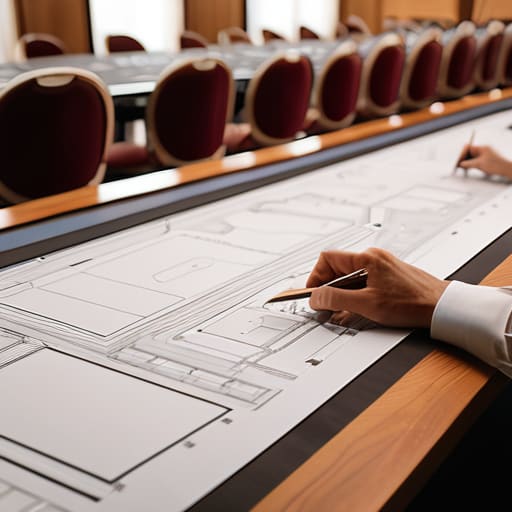
At the end of the day, a successful conference isn’t won by the quality of the printed programs or the shade of blue in the uplighting; it is won in the margins. It is won by the person who measured the floor space to ensure the buffet line doesn’t choke the fire exit, and by the planner who understands that a fifteen-minute delay in the morning session ripples through the entire day like a tectonic shift. You have to respect the math: the square footage, the power requirements, and most importantly, the unyielding reality of your schedule. If you get the logistics right, the content has the breathing room it needs to actually land.
Don’t let the shiny brochures fool you into thinking that a great event just “happens.” It is a series of calculated decisions made against a ticking clock. But here is the secret: when you have mastered the flow, when the coffee is hot exactly when the delegates need it, and the transitions feel invisible, that is when the magic occurs. You aren’t just managing a room; you are creating the space for connection to happen without the friction of a poorly timed lunch break or a cramped breakout room. Build the engine properly, and the passengers won’t even notice the mechanics at work.
Frequently Asked Questions
How much buffer time should I actually build into the schedule for when the keynote speaker inevitably runs ten minutes over?
If you’re planning for a ten-minute overrun, you’ve already lost. In my experience, you don’t build a buffer for the speaker; you build a buffer for the chaos that follows them. I always bake in fifteen minutes of “dead air” after a keynote—not for the talk, but for the inevitable three people who need the restroom and the twenty who will linger to ask questions. If you don’t, your lunch service is dead on arrival.
What are the non-negotiable power and Wi-Fi requirements I need to demand from a venue before I sign the contract?
Don’t let a venue manager charm you with their “high-speed fiber” claims; demand a dedicated bandwidth guarantee for your attendees, not just the staff. If fifty people try to check emails during a coffee break and the system chokes, your schedule is dead. Same goes for power. I’ve seen entire keynote presentations die because a presenter plugged into a circuit shared with a catering warming tray. Ask for a dedicated circuit map. If they can’t provide it, they aren’t ready for you.
How do I manage the logistical nightmare of a catering team arriving at the same time as the morning session setup?
You don’t “manage” it; you prevent it. If your AV team is still running cables while the caterers are wheeling in hot ovens, you’ve already lost the morning. You need a staggered load-in schedule, period. I tell my clients: the caterers get the loading bay at 06:00, the tech crew at 07:00, and the speakers at 08:00. If they overlap, they’ll trip over each other, and your “seamless” session will start with a broken coffee urn and a spilled flight case.