
I once watched a wedding reception descend into absolute chaos because a bride spent six months obsessing over the shade of blush for the napkins, but forgot to tell the kitchen she had eighty guests with severe gluten allergies. She thought she knew how to brief a caterer because she’d picked a beautiful menu, but she hadn’t actually communicated a single thing about the physical reality of the room. By the time the main course arrived, the kitchen was tripping over floral arrangements and the service staff was playing a high-stakes game of Tetris just to find a place to set down a tray.
I’m not here to talk to you about seasonal garnishes or the “artistry” of a plating style. My goal is to give you the unvarnished truth about the logistics that actually matter: power requirements, service windows, and the precise amount of floor space needed to prevent a bottleneck at the buffet. I’m going to show you how to approach how to brief a caterer so that your event doesn’t just look good in the photos, but actually functions without a meltdown. We’re going to focus on the unseen mechanics that keep the drinks flowing and the guests fed before the licence end hits.
Table of Contents
Menu Planning for Events Is Only Half the Battle
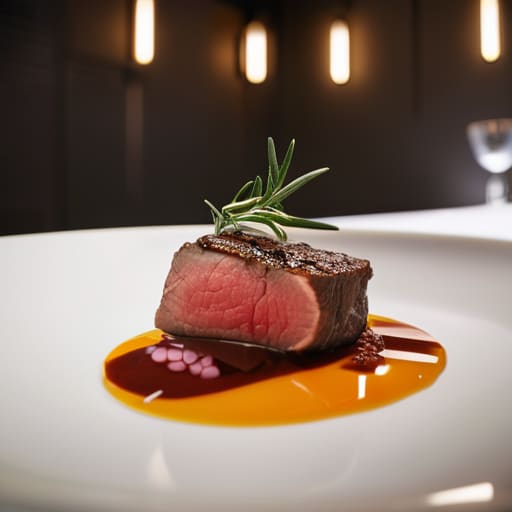
Most people spend weeks agonising over whether the sea bass or the beef tenderloin is the superior choice, treating menu planning for events like a culinary audition. They obsess over the flavor profiles while completely ignoring the physical reality of the food. You can have the most exquisite, Michelin-star menu on paper, but if it requires a delicate reduction that can only be plated in a temperature-controlled kitchen you don’t have, you’re in trouble. I’ve seen beautiful concepts crumble because the chef didn’t realize the “plating station” was actually a tiny corner next to a service lift.
The real work isn’t just picking the dishes; it’s the logistical translation of those dishes into a functional service. You need to consider your service style options—buffet, plated, or family-style—not because they look different in photos, but because they dictate how many staff members are breathing down your guests’ necks and how much floor space you’ve actually lost to the service team. If you choose a buffet, you aren’t just buying food; you’re buying a queue management system. If you don’t account for that, your “seamless” dinner becomes a bottleneck that pushes your entire evening schedule into the late hours.
Managing Your Catering Budget Management and Hidden Space Costs
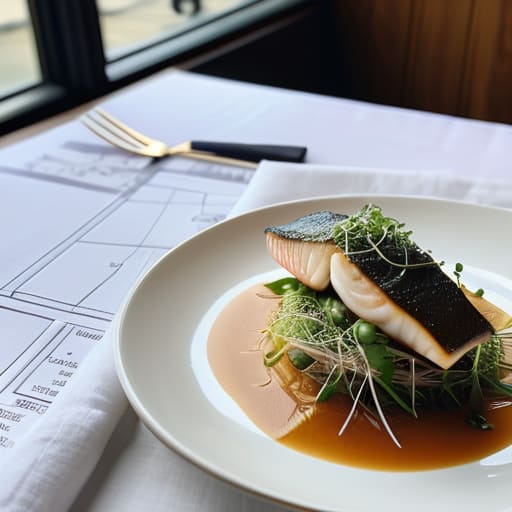
When you sit down with a spreadsheet, you aren’t just looking at the cost of a sea bass or a ribeye; you are looking at the math of the room. Most people treat catering budget management like a grocery list, but they forget that every extra hors d’oeuvre passed by a waiter requires more staff, more linen, and more floor space. If you’re planning a seated three-course meal, you need to account for the “service footprint.” I’ve seen countless weddings where the couple spent a fortune on a lavish menu, only to realize they hadn’t budgeted for the extra two servers needed to keep the wine flowing, or the heavy-duty power supply required for the kitchen equipment.
Space is a silent budget killer. You might think you’ve accounted for everything, but you haven’t truly looked at your event catering requirements checklist until you’ve asked the caterer exactly how many square metres they need for prep and plating. If you squeeze a high-end service into a cramped corner, the timing falls apart, the staff gets frustrated, and your “effortless” evening starts to feel like a frantic scramble. Always remember: the cost of the food is often less volatile than the cost of the logistics required to serve it.
The Logistics Checklist: 5 Things Your Caterer Needs to Know Before They Arrive
- Give them a floor plan, not just a guest count. I don’t care how beautiful the menu is; if your caterer turns up and realizes they have zero square metres for a plating station and no way to get a trolley through the door, your dinner is going to be served forty minutes late. They need to know exactly where they are setting up, where the service entrance is, and how much room they have to actually move.
- Map out your power requirements like your life depends on it. A fancy buffet setup with warming trays and coffee machines pulls a massive amount of juice. If you haven’t briefed them on the circuit capacity of the room, you’re going to be sitting there in the dark halfway through the main course because someone plugged a toaster into the same socket as the oven.
- The “Speech vs. Service” timeline is non-negotiable. You need to tell them exactly when the speeches are happening so they aren’t trying to clear plates while Uncle Dave is mid-anecdote, and more importantly, so they aren’t trying to serve hot food while everyone is distracted by a toast. If the food is ready but the guests are still listening to a twenty-minute eulogy, that risotto is going to be a brick by the time it hits the table.
- Be brutally honest about your service style and the “flow” of the room. If you want a seated three-course meal, tell them. If you want a roaming canapé service, tell them. A caterer who thinks they are doing a buffet but shows up with enough staff for a formal sit-down service is going to blow your budget, and a caterer who shows up with a buffet when you wanted fine dining will leave your guests frustrated and hungry.
- Define the “Load-In” and “Load-Out” windows. Most people focus on the party, but the real stress happens in the two hours before the first guest arrives and the hour after the licence ends. Your caterer needs to know exactly when they can get their van into the loading bay and exactly when they need to be packed up and gone. If they’re still scrubbing pans when the music is supposed to be pumping, you’ve got a problem.
The Final Checklist Before the First Plate Hits the Table
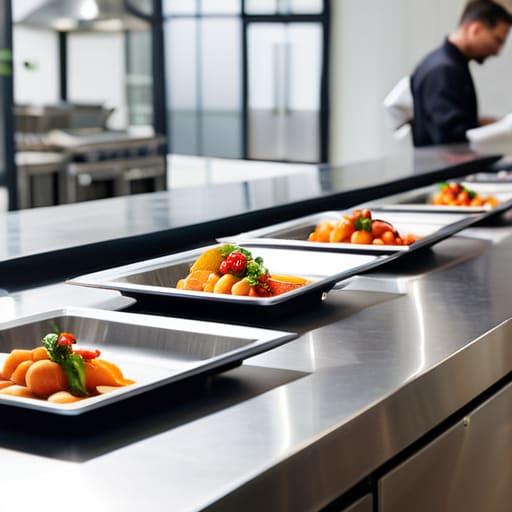
At the end of the day, briefing a caterer isn’t about proving you have the most expensive taste; it’s about ensuring they have the structural intelligence to succeed in your space. You’ve looked at the menus, you’ve accounted for the extra three metres of prep space, and you’ve hopefully checked the power sockets before the band arrives and trips the mains. If you can hand your caterer a document that covers the dietary requirements, the exact arrival window, and a realistic timeline for when those speeches actually need to end, you are already ahead of ninety percent of the people I see walking through my doors. Remember, a beautiful plate of food means nothing if it arrives forty minutes late because the service team was fighting for access to the service lift.
Don’t let the glossy Pinterest boards distract you from the fact that a successful event is built on bulletproof logistics. When the music is playing and the guests are actually enjoying themselves, it won’t be because the napkins matched the centrepieces perfectly; it will be because the kitchen was invisible, the drinks were flowing, and the timing was seamless. Plan for the friction, respect the licence end, and trust that if you handle the unseen mechanics with enough care, the magic will take care of itself.
Frequently Asked Questions
How much notice do I actually need to give them about final guest numbers before it's too late to change the order?
Look, everyone wants to wait until the eleventh hour to see if Great Aunt Muriel actually shows up, but that’s a recipe for a logistical nightmare. Most caterers need your final numbers at least fourteen days out—that’s when they lock in their food orders and staffing ratios. If you try to squeeze in changes forty-eight hours before the licence ends, you’re not just asking for a favour; you’re asking them to redesign their entire workflow. Stick to the deadline.
If I’m booking a venue that doesn't have a full commercial kitchen, what specific equipment questions should I be asking the caterer?
If you’re booking a space without a full commercial kitchen, stop thinking about the food and start thinking about the heat and the plugs. Ask them: “What’s your plan for hot holding without blowing a fuse?” and “How much prep space are you bringing?” You need to know if they’re relying on portable induction hobs or if they’re expecting you to provide tables for their plating. If they don’t have a clear answer on power requirements, run.
How do I work out the exact timing for the food service so we aren't still eating when the music starts or the licence ends?
Stop thinking about when you want to eat and start thinking about when you need to be finished. Work backwards from the licence end. If the music starts at 9:00 PM, your last course needs to be cleared by 8:30 PM, minimum. You haven’t accounted for the “speech drift”—that uncle who takes ten minutes longer than promised—or the inevitable delay in the kitchen. Buffer every transition by twenty minutes, or you’ll be chasing waiters while the dancefloor sits empty.