I’ve spent twenty years watching people pour thousands of pounds into bespoke chair covers and artisanal cocktail menus, only to treat safety like an afterthought or a box to be ticked at the last minute. There is this massive, expensive myth that you can just hire a generic medic team and call it a day, but that is how you end up with a bottleneck at the service entrance when someone actually needs help. People think how first aid provision is decided is just about following a checklist from a government website, but it’s actually about the physical reality of your floor plan. It’s about knowing that if a guest faints near the dance floor at 11:45 PM, your medic isn’t going to be able to navigate a crowded room of swaying relatives to get them to a quiet space before the licence ends.
I’m not here to sell you a premium safety package or quote a textbook at you. I’m going to tell you how we actually calculate the risk based on the actual movement of your guests, the layout of your venue, and the specific chaos that a high-energy wedding or a hundred-person conference brings. We’re going to strip away the fluff and look at the logistics of keeping people safe without blowing your entire budget on unnecessary extras.
Table of Contents
The First Aid Needs Assessment Process Beyond the Guest List
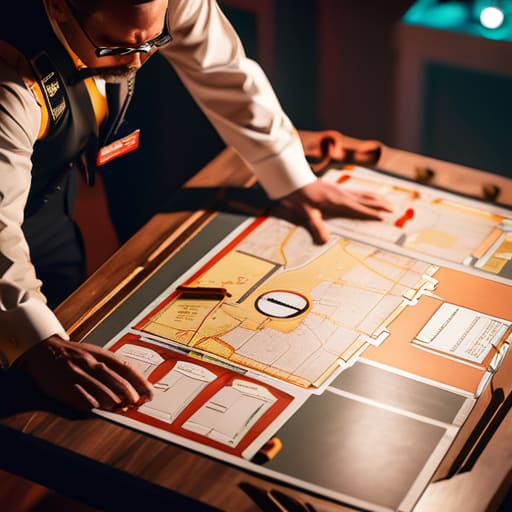
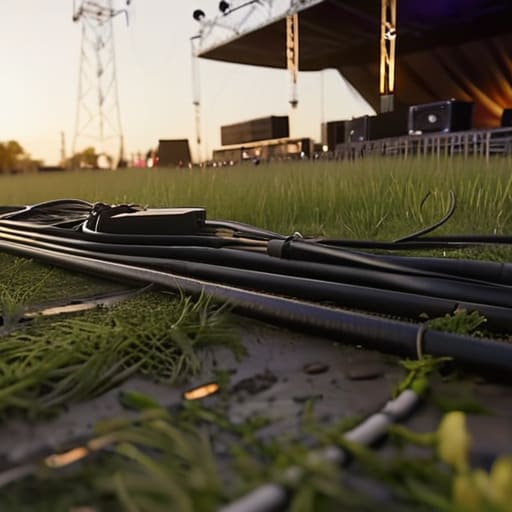
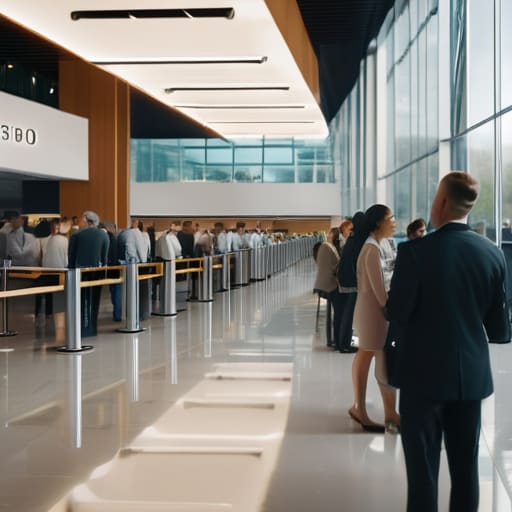
Most people think you just check the RSVP list, see there are 150 guests, and buy a standard kit from a supermarket. That is a fast way to find yourself staring at a minor crisis with nothing but a box of plasters and a prayer. A proper first aid needs assessment process isn’t about the headcount; it’s about the variables. I look at the floor plan and ask: where is the bottleneck at the bar? If a guest trips over a rogue cable near the DJ booth, how long does it take my team to reach them?
You have to factor in the “hidden” crowd, too. I’m not just talking about the guests, but the caterers working a hot kitchen, the decorators hauling heavy trusses, and the AV crew running miles of cable. When I’m looking at health and safety compliance, I’m calculating the risk of a kitchen burn versus a crowd crush. You aren’t just ticking boxes for occupational health and safety standards; you are mapping out the physical reality of the room to ensure that when something actually happens, the response isn’t a frantic scramble.
Navigating Workplace Risk Assessment Requirements Without Panic
Look, I get it. The moment you hear “risk assessment,” your brain goes straight to a mountain of paperwork and a looming sense of dread. But if you approach workplace risk assessment requirements like a chore you’re trying to finish before the bar opens, you’ll miss the point entirely. It isn’t about checking boxes to keep an inspector happy; it’s about understanding the specific physics of your space. If you’re running a wedding in a converted barn with uneven flagstones and a kitchen that looks like a battlefield, your requirements aren’t going to look anything like a corporate office in a glass tower.
The goal is to bridge the gap between occupational health and safety standards and the actual, messy reality of your floor plan. You aren’t just guessing; you are looking at the flow of people, the proximity of the bar to the dance floor, and the likelihood of a tripped heel or a spilled drink. Don’t panic about the legal jargon. Just focus on the practicalities: where are the blind spots, where is the heavy lifting happening, and how quickly can someone actually reach a kit when the chaos hits?
The Real-World Math: Five Ways to Stop Guessing and Start Planning
- Stop looking at the guest list as a single number; you need to segment by activity. A room full of pensioners having a quiet afternoon tea requires a completely different medical profile than a 21st birthday bash where the bass is rattling the floorboards and the drinks are flowing. One is about blood pressure and mobility; the other is about dehydration and the inevitable scraped knee.
- Map your exits before you map your first aid station. I’ve seen planners tuck a medic into a “quiet corner” that ended up being a dead end behind the kitchen service entrance. If a guest collapses, your medic needs to be able to get a stretcher in and, more importantly, get that person out through a door that isn’t blocked by a stack of empty cocktail tables.
- Account for the “Alcohol Multiplier.” If you’re running a wedding with an open bar, your risk assessment shouldn’t just reflect the headcount—it needs to reflect the liquid courage. Alcohol changes the physics of a room; people move differently, they stumble, and they lose their sense of personal space. If the bar is the focal point, your first aid presence needs to be close enough to see the shift in temperament before the first fall happens.
- Factor in the “hidden” crowd—your staff and contractors. Most people only calculate first aid for the people in the fancy dresses, but you’ve got caterers lifting heavy crates, technicians climbing ladders, and security on their feet for ten hours straight. If your team is exhausted or injured, your event’s logistics will collapse long before the guests even notice.
- Time your medical response against the licence end. If you’re running a late-night event, you aren’t just planning for the peak hour; you’re planning for the exodus. The most chaotic moments—and the highest risk of accidents—usually happen in that frantic window when the music stops, the lights come up, and everyone is trying to navigate a dark car park or a narrow exit at the same time.
The Bottom Line on Safety
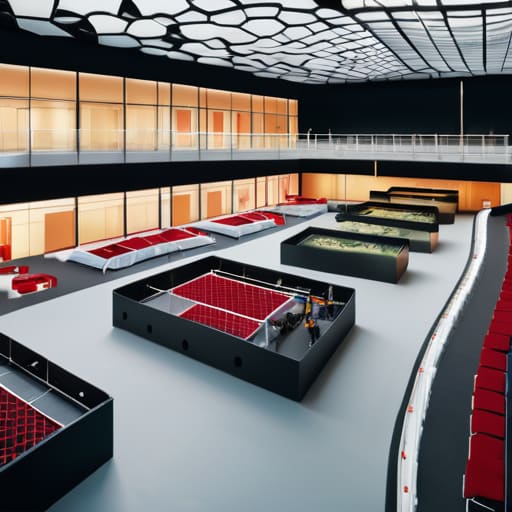
At the end of the day, deciding on your first aid provision isn’t about ticking a box to satisfy an inspector or following a generic checklist you found online. It’s about looking at your specific floor plan, your specific crowd, and the unpredictable human element that walks through your doors. You’ve looked at the density, you’ve assessed the risks of the layout, and you’ve moved past the idea that a single first aid kit under the bar is “enough.” When you balance the legal requirements against the actual physical reality of your venue, you aren’t just being compliant; you are building a safety net that actually holds when things get messy.
I’ve seen enough events go sideways to know that the best-laid plans often meet the reality of a tripped guest or a sudden bout of heat exhaustion. But here is the truth: when you get the logistics right—the access routes, the medic placement, and the communication lines—you create the one thing every host actually wants. You create the illusion of effortless calm. A well-planned safety strategy doesn’t make your event feel clinical or rigid; it provides the invisible foundation that allows your guests to actually enjoy themselves. Because when the logistics are sound, the only thing people have to focus on is the moment itself, rather than the chaos lurking just behind the curtain.
Frequently Asked Questions
How do I actually calculate the ratio of medics to guests without just guessing or overspending on staff I won't use?
Stop looking at the guest list and start looking at the risk profile. A hundred people at a quiet wake require a different level of oversight than a hundred people at a heavy-drinking wedding with a dance floor and a strobe light. You calculate the ratio by weighing the “activity density” against the “hazard level.” Are they sitting? Are they drinking? Is there a high-energy performance? I don’t guess; I map the potential for chaos and staff accordingly.
If I’m hosting a wedding in a historic venue with narrow corridors and steep stairs, does that change my legal requirement for first aid coverage?
It doesn’t just change the requirement; it changes the entire math. A flat ballroom is one thing, but narrow corridors and steep stairs are trip hazards waiting for a glass of champagne to make them disasters. If an incident happens at the top of a stone staircase, you aren’t just providing a medic; you’re managing an extraction. You need to account for access, response times, and how you actually get a person out without causing a pile-up.
At what point does a standard "first aid kit in the office" stop being enough and become a formal requirement for professional medical responders?
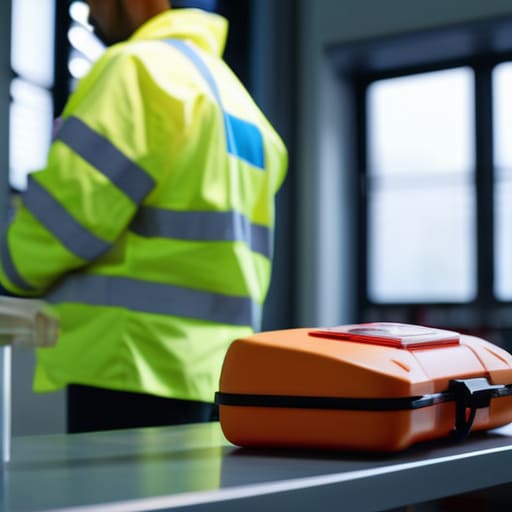
The moment you move from a controlled office environment to a high-stakes event, that little plastic box under the desk becomes a joke. You stop needing a kit when the risk profile shifts from “someone cut their finger on a paperclip” to “we have three hundred people, two open bars, and a dance floor.” Once you have crowd density, alcohol, and physical movement, you aren’t just managing scrapes; you’re managing potential emergencies that require professional response times.