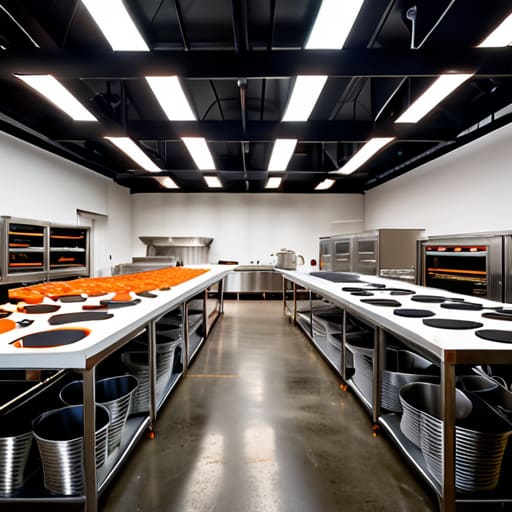
I’ve sat through enough wedding breakfasts to know that the most expensive menu in the world won’t save you if the food arrives forty minutes after the speeches have ended. Most wedding blogs will give you endless, flowery tips for hiring professional event caterers that focus on the height of the centerpieces or the “story” behind the organic micro-greens. That’s fine if you’re Instagramming it, but it won’t help you when your guests are staring at empty plates because the kitchen is fighting a losing battle with a single 13-amp socket. I don’t care how artisanal the sourdough is if the team hasn’t accounted for the logistical nightmare of a sixty-minute turnaround between a ceremony and a seated dinner.
I’m not here to talk about plating aesthetics or seasonal trends. I’m here to talk about the stuff that actually keeps an event from sliding into chaos: power requirements, load-in access, staff-to-guest ratios, and the crucial timing windows that dictate whether your evening flows or fails. I’ve managed nine hundred weddings, and I’ve seen exactly where the cracks appear. This is the unvarnished, practical advice you won’t find in a glossy brochure—the kind that ensures your guests are actually fed and your licence end doesn’t arrive before the dessert course.
Beyond the Plate Mastering Event Catering Budget Planning

While you’re obsessing over the menu, don’t forget that the caterer is also your primary logistical partner for the entire day. I’ve seen more events derailed by a lack of clear communication than by a cold steak, so I always suggest looking for providers who actually understand the operational flow of a venue. If you’re looking for some practical inspiration or a sense of how different styles might fit your specific setup, having a look at the Casualyorkshire site can give you a decent steer on what works in a real-world setting. It’s about finding that sweet spot where the food is excellent, but the service is so seamlessly timed that your guests don’t even notice the machinery moving behind the scenes.
When you sit down to look at the numbers, don’t just stare at the price per head. That’s the rookie mistake that leaves you staring at a deficit by month three. Real event catering budget planning isn’t about the cost of the beef tenderloin; it’s about the invisible extras that bleed a budget dry. I’ve seen countless contracts look lean on paper, only for the client to get hit with “service fees,” linen rentals, and glassware charges that weren’t in the initial quote. You need to know if you are looking at full-service vs drop-off catering from the jump, because the former includes the staff to clear the plates and the latter leaves you or your coordinator holding a mountain of dirty dishes at midnight.
Then there is the math of the room itself. You have to account for the catering staff to guest ratio if you want people actually eating hot food at the same time. If you skimp here to save a few hundred quid, you’ll end up with a room full of hangry guests and a service that drags on long after your licence end is looming. Always ask for a breakdown of the logistical overheads before you sign anything.
Full Service vs Drop Off Catering Choosing Your Logistics Partner
When you’re looking at the line item for food, it’s easy to get seduced by the lower price tag of drop-off catering. It looks efficient on paper—they deliver the trays, you set them out, and you move on. But here is what the brochure won’t tell you: drop-off catering is essentially a logistics vacuum. You aren’t just paying for the food; you are paying for the absence of service. Without a professional team on-site, you become the person responsible for managing the buffet flow, clearing the empty plates, and—most crucially—handling the dietary restriction management for events that inevitably arises when a guest realizes their “gluten-free” option was cross-contaminated in the kitchen.
If you want the event to feel seamless, you need to weigh the cost of full-service vs drop-off catering against the actual labor required to make it work. Full-service means they bring the staff, the linens, the warming equipment, and the people who know how to navigate a crowded room without tripping over a guest’s chair. It’s the difference between a managed flow and a chaotic scramble. Before you sign anything, check your catering staff to guest ratio; if the math doesn’t allow for timely service, your guests will be staring at empty glasses while you’re stuck trying to find a clean fork.
The Logistics of Eating: Five Things Your Caterer Won't Tell You (But I Will)
- Stop obsessing over the truffle oil and start asking about the power. If you’re hiring a team that needs to run three induction hobs and a coffee machine in a corner of my venue, I need to know they aren’t going to trip a breaker and plunge your entire wedding into darkness halfway through the speeches.
- The “Hidden” Staffing Math. When a caterer gives you a quote, don’t just look at the food cost; look at the service ratio. If they’re promising a three-course seated meal for 100 people with only two servers, they aren’t being “efficient”—they’re planning on your guests eating cold risotto while the staff plays catch-up.
- The Load-In Nightmare. Ask them exactly how they plan to get the gear from the van to the kitchen. If they’re expecting to wheel a heavy trolley through a narrow corridor or up a flight of stairs during your cocktail hour, you’re going to have a very loud, very awkward disruption that no amount of champagne can mask.
- The “Buffer” Window. Every caterer has a “service time,” but nobody talks about the turnaround. You need to know how much time they actually need to transition from the ceremony setup to the buffet, or from the wedding breakfast to the evening snacks. If they haven’t factored in the 45 minutes it takes to clear 100 plates, your timeline is already dead in the water.
- Waste and Water. It sounds unglamorous, I know, but ask them about their footprint. Where are the dirty dishes going? Where are they getting their fresh water? If they don’t have a plan for the mountain of greywater and rubbish they’re about to generate, that becomes your problem—and my problem—at 1:00 AM when the licence is about to end.
The Final Countdown
At the end of the day, hiring a caterer isn’t just about picking a menu that looks good on a PDF; it’s about vetting a logistics team that can handle the reality of your venue. You need to know if they have the staff to manage the rush, the equipment to stay powered up, and the foresight to respect your licence end time. If you haven’t discussed the “unsexy” details—like service corridors, trash removal, and the exact window for the main course—you aren’t planning an event, you’re just hoping for one. Don’t let a beautiful plate of food mask a broken timeline.
I’ve seen enough weddings to know that when everything goes right, nobody notices the catering. The guests don’t talk about the seamless transition from cocktails to dinner or the way the staff moved like a well-oiled machine; they just feel taken care of. That feeling of effortless ease is the result of rigorous, invisible planning. If you do the heavy lifting now by asking the hard questions and accounting for the logistics, you can actually step away from the clipboard and enjoy the party. After all, you’ve spent months planning the magic—you might as well be there to see it happen.