I once watched a wedding planner spend forty minutes debating the exact shade of sage for the linen napkins, while the caterer in the back was staring at a guest list that had grown by twenty people since the last briefing. She was worried about aesthetics; he was worried about the fact that his oven capacity was about to hit a brick wall. Most people think a guest list is just a collection of names and dietary requirements, but they fail to grasp how head counts affect kitchen planning in the real world. You aren’t just adding more forks to the table; you are fundamentally altering the physics of the service, from the amount of prep space required to the sheer number of burners needed to get a hundred hot plates out before the wine gets warm.
I’m not here to talk to you about colour palettes or the “magic” of hosting. I’m here to talk about the math that actually keeps your event from collapsing into a frantic scramble. I’m going to show you exactly where the pressure points are—the moment a few extra bodies turn a smooth service into a logistical nightmare. We’ll look at the reality of plating speeds, the hidden costs of scaling up, and why your kitchen needs more than just “extra hands” to survive a headcount spike.
Table of Contents
Scaling Kitchen Operations for Peak Hours Without Breaking
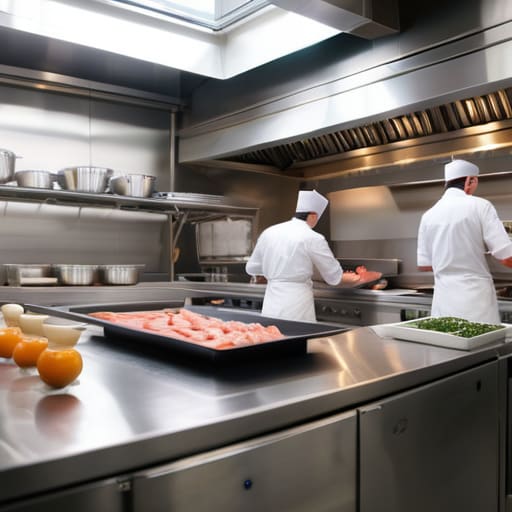
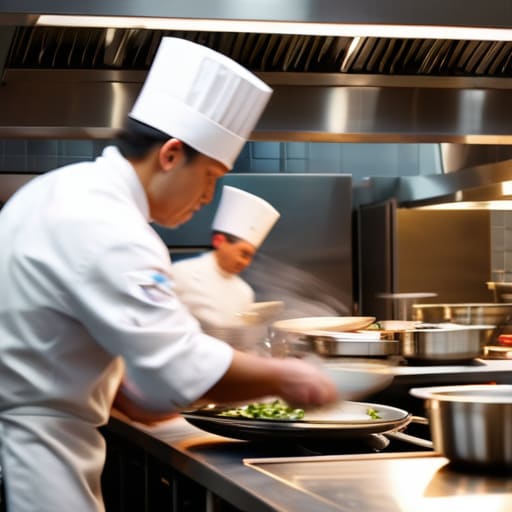
When you’re staring down a service for two hundred people, you aren’t just cooking; you are managing a high-stakes assembly line. Most people think more staff solves a capacity spike, but if your layout is a mess, you’re just adding more bodies to the collision course. True commercial kitchen workflow optimization isn’t about hiring ten extra hands; it’s about ensuring the person plating the salmon isn’t tripping over the person prepping the garnish. If your stations are cramped, your speed doesn’t just plateau—it craters.
I’ve seen more services go sideways because of poor equipment sizing for guest volume than actual ingredient shortages. You can have the best chef in the county, but if they’re fighting over a single induction hob while sixty plates sit under lukewarm heat lamps, you’ve lost the room. Scaling isn’t just about bigger pots; it’s about ensuring your throughput can handle the surge without the kitchen turning into a frantic, sweating bottleneck. You need to build for the peak, or the peak will absolutely break you.
The Brutal Reality of Equipment Sizing for Guest Volume
Here is the reality most planners ignore: a kitchen isn’t a static room; it’s a machine, and the size of the machine must match the load. When you jump from a hundred guests to a hundred and fifty, you aren’t just buying more cutlery. You are testing the absolute limits of your equipment sizing for guest volume. I’ve stood in the back of kitchens where the chef is trying to execute a three-course seated service with a single convection oven and a panini press because someone “saved money” on the venue hire. It’s a recipe for disaster.
If your prep space is cramped, your kitchen station ergonomics go out the window the moment the third plate hits the pass. Suddenly, the person plating the mains is elbowing the person stripping the garnishes, and the whole system grinds to a halt. It’s not just about having enough pans; it’s about having enough surface area to move without a collision. When the headcount climbs, the margin for error shrinks. If you don’t have the physical footprint to support the volume, you aren’t running a service—you’re managing a bottleneck.
Five Ways Your Guest List Is Secretly Sabotaging Your Kitchen
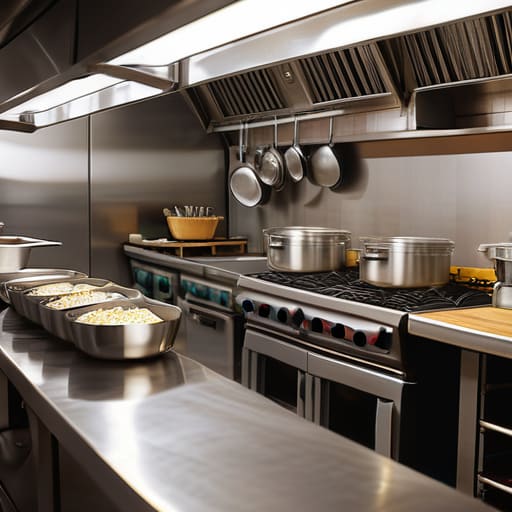
- Stop treating a ‘buffer’ like a suggestion. If you tell me you have 100 guests but expect me to plate for 110 just in case, you’ve just increased my prep time by twenty percent and potentially compromised the temperature of the first fifty plates. In a professional kitchen, ‘just in case’ is a recipe for cold protein and a stressed-out chef.
- The ‘Plus-One’ Domino Effect. Every extra body isn’t just a seat; it’s a sudden, violent spike in the demand for glassware, cutlery, and—most importantly—service speed. If your head count creeps up by 10% in the final month, you aren’t just buying more food; you’re testing whether your kitchen staff can maintain the same rhythm under a heavier load.
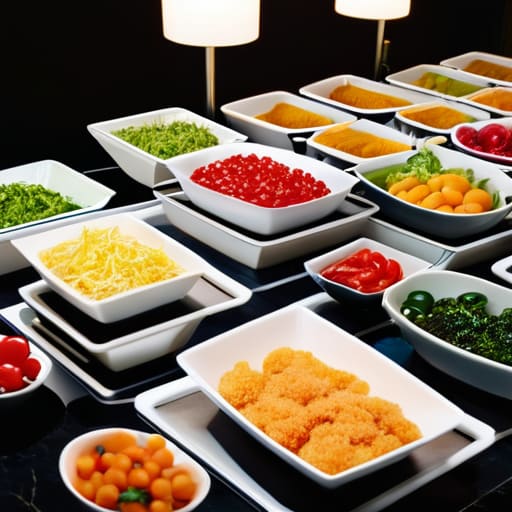
- The Buffet Trap. Everyone thinks a buffet solves the head count problem, but it actually creates a logistical bottleneck that can kill your timeline. A crowd of 150 people hitting a buffet line at once creates a queue that lasts forty minutes, leaving half your guests standing around with empty plates while the kitchen struggles to replenish trays fast enough to keep up with the carnage.
- The Hidden Cost of Dietary Requirements. A head count of 100 with three vegans is a minor tweak; a head count of 100 where 25% have specific allergies is a complete structural redesign of the service. You can’t just ‘wing’ the dietary stuff when the volume is high; you need dedicated prep space and a separate workflow, or you’re going to have a very unhappy guest and a very messy service.
- The Water and Ice Math. This is the one nobody talks about until the mid-afternoon heat hits. If you increase your guest count, you don’t just need more booze; you need a massive increase in ice and water capacity. If your kitchen isn’t scaled to handle the sheer volume of beverage replenishment for a larger crowd, your service will grind to a halt while someone is out hunting for more ice.
The Bottom Line on Numbers
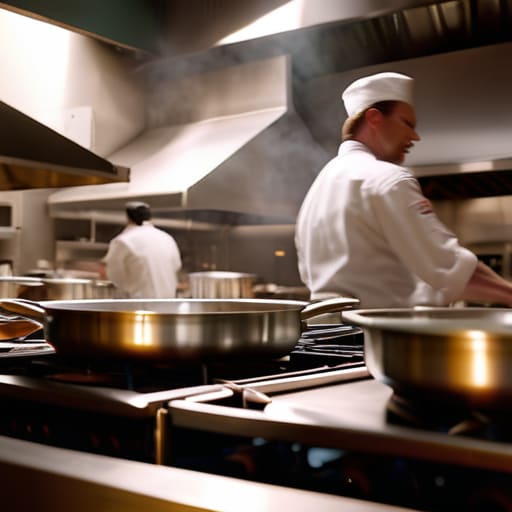
At the end of the day, your guest list isn’t just a collection of names on a seating chart; it is a series of cascading logistical demands. If you ignore the math, you aren’t just risking a lukewarm main course; you are inviting a systemic collapse of the kitchen’s flow. You have to account for the extra burner capacity, the physical footprint of the plating station, and the sheer, unadulterated chaos that occurs when fifty people suddenly demand a drink at the same time. If the equipment doesn’t match the headcount, the kitchen doesn’t just slow down—it breaks. Plan for the volume, not the vision, because a beautiful menu means nothing if it arrives forty minutes after the licence has already expired.
I know the temptation is to focus on the aesthetic details—the linen textures, the floral centerpieces, the color palettes. But the most successful events I have ever managed weren’t the ones with the most expensive decor; they were the ones where the logistics were invisible. When the food comes out hot, the service is seamless, and the kitchen staff isn’t running a marathon in a ten-foot space, the guests feel like they are in a dream. That feeling of effortless elegance is actually just rigorous, disciplined planning working behind the scenes. Build your kitchen to handle the reality of your numbers, and the rest will take care of itself.
Frequently Asked Questions
If I add ten more people to the final count at the eleventh hour, is that just a headache for the chef, or does it actually break the entire service flow?
It’s not just a headache; it’s a structural failure. If you’re at capacity, ten extra people isn’t just ten more plates—it’s ten more plates that have to fight for burner space, prep time, and plating real estate that was already calculated to the millimetre. It pushes the service window back, which means the hot food hits the table late, the wine runs dry, and suddenly you’re staring down the barrel of your licence end with a room full of hungry, restless guests.
How much of a buffer should I actually build into my budget for extra staff versus just buying more equipment?
Buy the staff, not the gear. You can rent a second oven or a larger prep table for a weekend, but you can’t rent more hands to move them. If your headcount creeps up, your equipment stays static, but your labor requirement scales exponentially. I’d rather have an extra runner to clear plates and keep the flow moving than a massive, expensive convection oven sitting idle because the kitchen staff is too buried in prep to actually use it.
At what specific guest number does a standard buffet stop being an efficient solution and start becoming a logistical nightmare for the kitchen?
Once you cross the 80-guest mark, a standard buffet stops being a service and starts being a bottleneck. At 100, you’ve got a queue that looks like a rainy Monday at the post office, and your kitchen staff are essentially just frantic replenishment units. Beyond that, you aren’t feeding people; you’re managing a crowd. If you want to avoid the mid-service meltdown, that’s when you stop thinking about trays and start thinking about plated service.