
If you spend any time scrolling through event planning blogs, you’ll be told that a “complete guide to awards evenings” is all about choosing the right shade of champagne silk for the linens or finding a keynote speaker who can command a room. That is absolute rubbish. I’ve spent eighteen years watching people pour thousands into aesthetic details while their entire schedule collapses because they didn’t account for the thirty-minute delay when a VIP’s car gets stuck in traffic, or the fact that a room of three hundred people takes far longer to move from cocktails to dinner than any spreadsheet suggests. An awards night isn’t a photoshoot; it is a high-stakes sequence of movements that needs to be choreographed with military precision.
I’m not here to sell you on floral arrangements or expensive lighting packages. My goal is to give you the actual, unvarnished mechanics of a successful event—the stuff that happens behind the curtain. We are going to talk about power requirements for the AV team, the critical bottleneck at the bar during the interval, and how to structure your timings so you aren’t still handing out trophies when the licence end approaches. This is the logistics-first approach to planning that ensures your evening actually works.
Table of Contents
The Event Run of Show Timing the Unseen Transitions
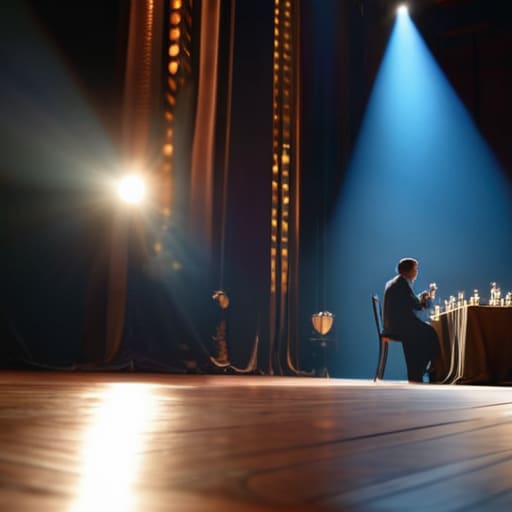
Most people think an awards ceremony is just a series of people walking onto a stage to collect shiny objects. They see the glamour; I see the gaps. The real danger isn’t the speech that goes too long—it’s the dead air between the winner being announced and them actually reaching the microphone. This is where your event run of show either breathes or suffocates. If you haven’t accounted for the thirty seconds it takes for a winner to navigate a crowded floor, or the time it takes for the technician to cue the next track, you aren’t hosting an event; you’re managing a series of awkward silences.
You need to plan for the transitions, not just the highlights. I’ve seen perfectly good evenings ruined because the stage lighting and audio setup wasn’t tested for the specific moment the lights go down for a video presentation. Don’t just rely on a vague itinerary. You need to map out the “invisible” minutes: the transition from cocktails to seating, the movement of the trophies from the side table to the presenter, and the exact moment the bar service needs to shift gears. If you don’t time the friction points, the friction will time you.
Guest Experience Design Beyond the Seating Chart and Champagne
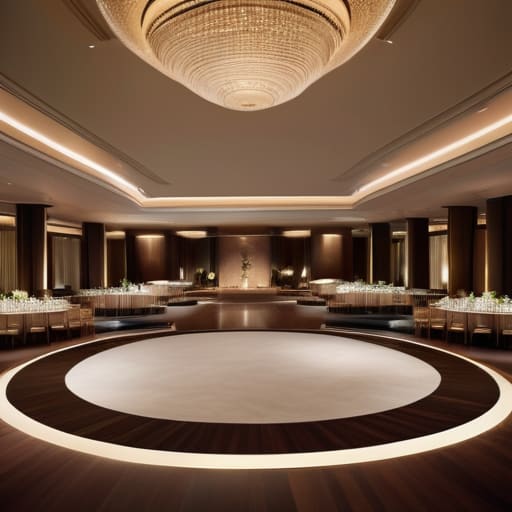
Everyone gets obsessed with the seating chart—who sits next to whom to avoid a family feud—but they completely forget about the physical flow of the room. You can have the most expensive floral arrangements in the world, but if your guests have to squeeze through a narrow gap between a buffet table and a stage to get to the bar, they’re going to be grumpy before the first award is even announced. Real guest experience design isn’t about the velvet of the chair; it’s about the distance between the seat and the exit, and ensuring the path to the podium doesn’t become a human traffic jam every time someone wins.
Then there’s the sensory overload. I’ve seen plenty of ceremonies where the stage lighting and audio setup were treated as an afterthought, only to have the guest of honour standing in a dark corner while a microphone screeches like a banshee. If they can’t see the face of the winner and they can’t hear the name being called, the prestige of the evening evaporates instantly. You aren’t just hosting a dinner; you are managing a series of high-stakes transitions that require absolute technical precision.
The Logistics of Not Looking Like a Disaster
- Stop obsessing over the trophy design and start looking at the stage height. If your VIP is six feet tall and your stage is a glorified step-stool, they’ll look like they’re presenting from a child’s play area, and the photography will be rubbish.
- The “Award Winner Bottleneck” is real. If you announce five names in a row without a dedicated usher to guide them from their table to the stage, you’ll have a mosh pit of confused guests and a twenty-minute delay that eats into your dessert course.
- Check your power draw before the AV team arrives. Everyone wants a massive LED screen and a high-end sound system, but if you haven’t accounted for the catering team’s coffee machines and the lighting rig running on the same circuit, you’re going to be sitting in a very expensive, very dark room mid-speech.
- Build in a “buffer zone” for the speeches. You think the CEO can deliver a three-minute keynote, but once they’ve cleared their throat and found their glasses, you’re looking at eight. If you don’t bake that extra time into the schedule, your licence end will arrive while people are still waiting for their main course.
- Audit your floor plan for the “Exit Strategy.” An awards night isn’t just about getting people into seats; it’s about how they move when the bar opens or when the ceremony ends. If your aisles are choked with floral arrangements or extra chairs, you’ve created a slow-motion traffic jam that kills the momentum of the entire evening.
The Final Countdown
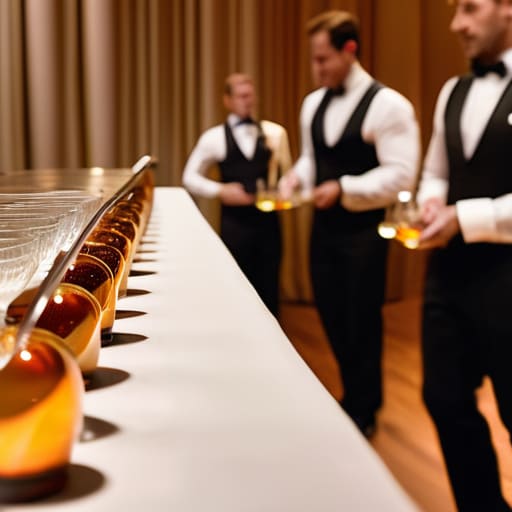
At the end of the day, a successful awards evening isn’t won by the quality of the trophy or the brightness of the stage lights; it’s won in the margins. It’s won because you accounted for the slow-moving queue at the bar, because you gave the catering team enough breathing room to plate up without a panic, and because you respected the hard stop of the licence. If you’ve managed the transitions, mapped out your power requirements, and planned for the inevitable human bottlenecks, you’ve already done more than ninety percent of your competition. You aren’t just hosting a party; you are managing a complex machine where every gear needs to mesh perfectly to keep the momentum from stalling.
People will leave your event talking about how “seamless” it felt, but you and I both know that “seamless” is just a polite word for meticulous, invisible preparation. Don’t let the glossy brochures fool you into thinking logistics are secondary to aesthetics. When the lights go down and the first winner is announced, the guests won’t notice the floor plan or the loading bay schedule—they’ll only notice the atmosphere. And if you’ve done the hard work of planning the unglamorous bits, that atmosphere will be exactly what you intended it to be. Now, check your watch; we’ve got a countdown to run.
Frequently Asked Questions
How much buffer time should I actually build into the schedule for when the keynote speaker inevitably runs ten minutes over?
Ten minutes? You’re dreaming. If your keynote speaker is the type to “just add one more slide,” you need to bake in twenty. I’ve seen a “quick” opening remark turn into a monologue that eats the entire appetizer course. You don’t just add time; you build a buffer into the transition to the next segment. If they finish early, you’ve gained a drink break. If they run over, you aren’t scrambling to shave time off the dessert.
What’s the realistic ratio of bar staff to guests if I want to avoid a massive bottleneck right when the awards start?
If you’re running a standard awards night, don’t let your planner tell you one bartender can handle fifty people. They’re dreaming. For a high-pressure window—like that frantic rush right before the awards kick off—you need one bartender for every 50 to 60 guests. If you’re serving cocktails or anything more complex than a draught lager, bump that up. If you don’t, you’ll have a bottleneck that kills the momentum before the first trophy is even polished.
How do I manage the transition from the formal dinner to the post-awards drinks without losing the energy of the room—or the crowd?
You don’t lose the energy by changing the music; you lose it by leaving a vacuum. The second the last plate is cleared, there’s a dangerous lull where people start checking their watches or, worse, looking for the exit. Don’t wait for a “transition period.” Have the bar staff pre-poured and ready, and ensure the lighting shifts the moment the speeches end. If you give them twenty minutes of dead air, they’ll find it.