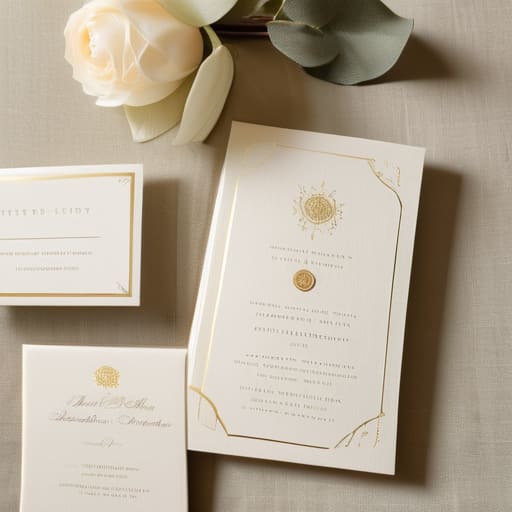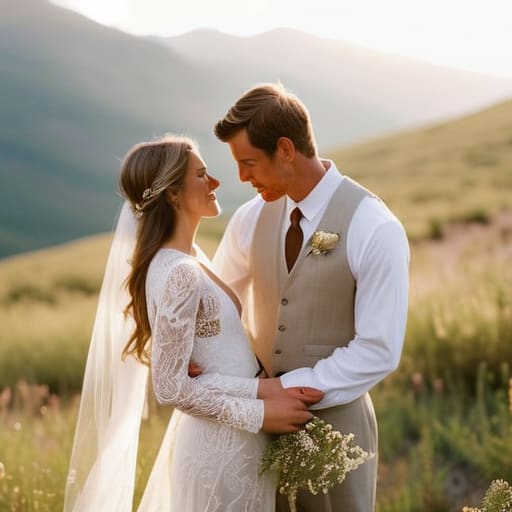
I spent last Saturday afternoon watching a bride cry—not because of the vows, but because her “intimate” micro wedding had ballooned into a logistical nightmare involving forty-five uninvited cousins and a caterer who couldn’t find the service entrance. People talk about these smaller ceremonies like they are a shortcut to simplicity, but if you don’t actually understand how elopements and micro weddings work, you’re just trading a massive guest list for a massive headache. Most wedding blogs will tell you it’s all about the aesthetic of a single candle and a linen napkin, but they conveniently forget to mention the math behind the magic.
I’m not here to sell you on a mood board or a color palette. My job is to tell you what happens when the champagne gets warm, the venue’s license end approaches like a ticking clock, and your “simple” plan hits the reality of actual human movement. I’m going to strip away the fluff and give you the unfiltered blueprint for managing the tiny, high-stakes machinery of a small event. We are going to talk about access, power requirements, and the unseen architecture that keeps a small wedding from collapsing under its own weight.
Table of Contents
Decoding the Elopement vs Micro Wedding Differences

People tend to use these terms interchangeably, but from where I stand behind a service bar, they are two entirely different beasts. An elopement is a sprint; it’s you, a partner, and a witness, ideally somewhere with a view and very few moving parts. It’s the ultimate exercise in budgeting for intimate ceremonies because you aren’t paying for a hundred chairs or a buffet line. You’re paying for the experience and the legal paperwork. If you’re looking at elopement destination ideas, you’re likely thinking about how to bypass the traditional ballroom entirely.
A micro wedding, however, is a marathon in a smaller room. It’s not just a “small wedding”; it’s a highly condensed version of the full-scale production. You still have the guest list, the meal service, and the inevitable uncle who wants to toast the bar. When I’m looking at micro wedding guest list management, I’m calculating the exact floor space needed so people aren’t tripping over the cake table. One is about escaping the noise; the other is about curating the noise so it doesn’t become a logistical nightmare.
The Invisible Checklist Legal Requirements for Small Weddings

People get so caught up in the aesthetic of an elopement that they forget the paperwork is what actually makes it legal. You can have the most breathtaking mountain view or a chic city hall backdrop, but if you haven’t cleared the local jurisdiction’s hoops, you’re just two people having an expensive picnic. When people ask me about the legal requirements for small weddings, they usually assume it’s a simplified version of the big production. It isn’t. Whether you are signing papers in a registry office or a remote forest, the bureaucracy doesn’t scale down just because your guest list did.
The real headache often comes from the “where” and “who.” If you are looking at elopement destination ideas, you need to vet the local marriage laws like you’re auditing a catering contract. Some places require a residency period, while others demand specific witnesses that you might not have if you’re traveling solo. I’ve seen more “romantic” escapes turn into logistical nightmares because the couple forgot that a marriage license isn’t something you can just wing on the day. Plan for the paperwork first, or the rest of the day is just a very pretty, legally non-binding party.
The Logistics of Small: Five Ways to Keep Your Micro Wedding from Becoming a Micro-Disaster
- Watch your timeline like a hawk. People think because there are only twenty guests, they can wing the schedule. They can’t. If your ceremony ends at 2:00 PM and your meal is at 3:00 PM, you have exactly sixty minutes to move people, clear the ceremony space, and get the first round of drinks in their hands before the “intimacy” turns into awkward standing around.
- Don’t forget the power requirements. You might not have a DJ and a lighting rig, but if your caterer is bringing induction hobs or a coffee machine for a small group, they need a dedicated circuit. Nothing kills a micro wedding faster than the lights flickering and dying halfway through the toasts because someone plugged a panini press into the same socket as the acoustic guitarist.
- Budget for the “Hidden Crowd.” An elopement might be just the two of you, but a micro wedding usually involves extended family. If you’re planning for fifteen but three cousins show up unannounced, you don’t just need more chairs; you need more glassware, more linen, and a caterer who isn’t going to charge you a premium for “unexpected” plates.
- The “Venue Access” Reality Check. When you book a small space, you often assume you have the whole place. You don’t. Check exactly where your guests’ cars are going and where the service entrance is. If your micro wedding is in a corner of a larger venue, you need to know exactly how much “buffer” space you have before a stranger walks through your ceremony.
- Plan for the “Transition Gap.” In a big wedding, you have a cocktail hour to hide the chaos of the room reset. In a micro wedding, the guests are often watching the staff move tables and wipe down surfaces. If you don’t have a clear plan for where people go during the turnaround, they’ll be staring at your catering team instead of celebrating with you.
The Bottom Line

At the end of the day, whether you are stripping it back to a two-person elopement or hosting a micro wedding with twenty of your closest kin, you are essentially managing a high-stakes countdown. You have the legal paperwork to secure, the narrow window of your venue’s licence to respect, and a guest list that—no matter how small—still needs to be fed and watered without a logistical meltdown. Don’t let the romantic imagery fool you; a successful small wedding is built on the unseen scaffolding of smart timings and realistic expectations. If you get the math right on the guest count and the catering access, the rest of the day tends to take care of itself.
I’ve seen grand, thousand-pound floral installations collapse because someone forgot to account for the thirty-minute turnaround between the ceremony and the first drink. But I have also seen tiny, stripped-back elopements feel more monumental than a ballroom gala simply because the couple wasn’t fighting the clock or a cramped floor plan. Forget the wedding blogs telling you it’s all about the aesthetic; focus on the flow. When you master the logistical architecture of your day, you stop being a frantic manager of chaos and start actually being a participant in your own wedding. Plan the hard parts well, and the magic will happen by default.
Frequently Asked Questions
How do I actually manage the transition from a tiny ceremony to a meal without it feeling like a rushed waiting room?
The “waiting room” feeling happens when you have a gap where people are standing around with empty hands and nowhere to sit. You need a bridge. Don’t just tell people “dinner is at seven.” Give them a task or a destination. I always suggest a structured transition: a specific drink station that opens immediately, or a scheduled move to a secondary space. If you don’t control the movement, the guests will fill the vacuum with awkwardness.
What is the realistic timeline for getting everyone fed and drinks in hand if we only have a two-hour window?
Two hours is a tight squeeze, not a luxury. If you have sixty people and a forty-minute service window, you’re already underwater. You need to account for the “mingle lag”—that inevitable ten minutes where guests wander aimlessly before realizing they’re hungry. To pull this off, you skip the formal seated service and go for high-end heavy canapés or family-style platters. If you try a three-course plated meal in that window, you’ll spend the whole time watching the clock bleed out.
If I'm booking a micro wedding, how much extra space do I actually need to budget for the caterer versus the guests?
Stop thinking about guest tables and start thinking about the “back of house” footprint. If you’ve budgeted for fifty guests, you haven’t budgeted for the fifty people who actually make the food. You need to carve out at least 15-20% more floor space specifically for the caterer’s staging, prep, and—most importantly—their “movement zone.” If you cram them into a corner without a three-metre buffer, they’ll be tripping over your floral arrangements by the main course.