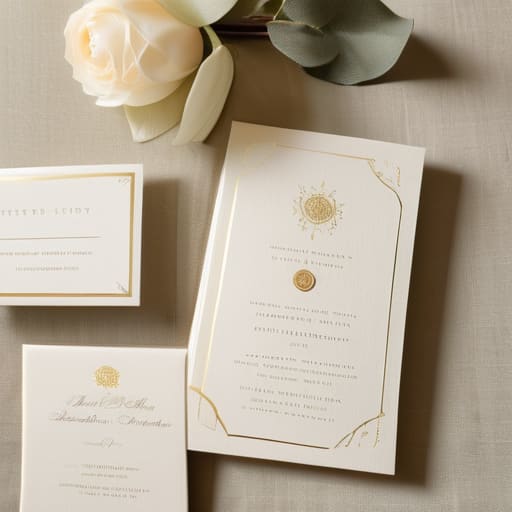
I’ve spent eighteen years watching couples pour thousands of pounds into heavy cardstock and gold foil, only to realize too late that their invitations are essentially useless if they don’t function as a manual for the day. I once saw a beautiful, minimalist suite that looked stunning in a Pinterest board, but because it lacked a clear RSVP deadline or a map for the tricky venue access, it left my staff chasing thirty missing guests and a confused taxi driver at 11:00 PM. If you want to learn how to plan wedding stationery that actually works, you need to stop thinking about it as a design project and start seeing it as your primary logistical tool.
I’m not here to talk to you about color palettes or font pairings—that’s what the stylists are for. My job is to show you how to use your paper trail to manage your guests, your budget, and your sanity. We are going to strip away the fluff and focus on the timing, the clarity, and the hard deadlines that ensure your guests actually show up at the right place and the right time. By the time we’re done, you’ll have a stationery plan that keeps the chaos at bay so you can actually enjoy the party.
Table of Contents
The Wedding Invitation Timeline Avoiding the Mailbox Bottleneck

Most people treat the wedding invitation timeline like a casual suggestion, but in my experience, treating it that way is a fast track to a logistical nightmare. If you wait until the last minute to send things out, you aren’t just being “relaxed”—you are actively sabotaging your own guest count. You need to account for the save the date etiquette window first; if you’re having a destination wedding or a high-demand Saturday in June, those need to be in hands at least eight to twelve months out. If you miss that window, you’ll spend the entire lead-up chasing people for answers instead of focusing on the actual event.
Then there is the actual mailing of the suite. I’ve seen too many couples underestimate the time it takes to coordinate the various wedding paper suite components, from the main invite to the RSVP cards. If you’re opting for custom wedding calligraphy, you need to bake an extra three weeks into your schedule just for the artist to breathe. You also have to factor in the postage. Heavy cardstock and wax seals aren’t just aesthetic choices; they are weight additions that can turn a standard stamp into a “why is this delivery delayed?” headache. Plan for the mail, not just the design.
Mastering Save the Date Etiquette and Rsvp Management Tips
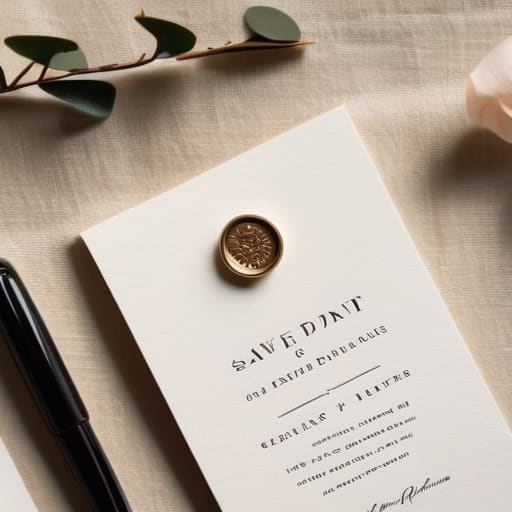
Now, let’s talk about the Save the Date. Most people treat these like a social announcement, but in my experience, they are your first real line of defense against a seating chart nightmare. If you follow standard save the date etiquette, you’re sending them out six to eight months in advance. This isn’t just about being polite; it’s about giving your guests enough runway to clear their schedules so you aren’t chasing people down via WhatsApp three weeks before the big day. If you wait until the formal invites are ready to drop the news, you’re essentially inviting a logistical headache that will haunt your final headcount.
Once the formal invites land, the real battle begins: the RSVP. This is where most couples lose control of the narrative. My best wedding RSVP management tips always start with one rule: make it impossible for guests to be vague. If your response card doesn’t explicitly ask for dietary requirements or specific meal choices, you will spend the forty-eight hours before the wedding frantically emailing Auntie Jean to find out why she can’t eat gluten. Don’t leave your catering numbers to chance. A clear, structured response system is the only thing standing between a smooth service and a kitchen meltdown.
The Five Paperwork Pitfalls That Will Derail Your Day-Of Logistics
- Stop obsessing over the font and start obsessing over the RSVP deadline. If you set your RSVP date for two weeks before the wedding, you’ve already lost. You need that data at least six weeks out so I can tell the caterer exactly how many sea bass fillets to prep and how many chairs to actually pull out of storage.
- Treat your details card like a tactical briefing, not a poem. If your guests don’t know the exact shuttle bus departure time or the specific entrance they need to use for the ceremony, they will end up idling in the car park, blocking the service access, and arriving at the altar twenty minutes late.
- Don’t let “aesthetic” override utility. A beautifully translucent vellum overlay looks incredible in a flat-lay photo, but if it makes the venue address or the start time unreadable, it is a failure. If a guest has to squint to find out when the bar closes, they’re going to be the ones calling my mobile at 11:45 PM.
- Factor in the “Post-Event” stationery. Most couples forget that the logistics don’t end when the music stops. You need a plan for thank-you notes that doesn’t involve staring at a mountain of envelopes for three months, and you need to decide if you’re sending physical cards or digital ones before you get too tired to care.
- Build a buffer for the printer’s incompetence. If you need your place cards by the 14th, tell yourself they are due on the 7th. Between shipping delays, ink running dry, or a typo that turns “Charles” into “Charley,” you need a week of breathing room so you aren’t frantically writing names on cardstock with a Sharpie ten minutes before the reception starts.
The Final Countdown
At the end of the day, your stationery isn’t just a collection of pretty things to show off on Instagram; it is your primary tool for operational control. If you’ve followed the timelines we discussed, you’ve already mitigated half the chaos that usually hits a venue manager’s desk on a Saturday morning. You’ve managed the RSVP bottleneck, you’ve set the expectations for your guests, and you’ve turned a stack of paper into a logistical roadmap that keeps the day moving. When the caterer asks where the dietary requirements are or the guests wonder where the shuttle leaves from, the answers should already be in their hands, not stuck in your inbox or a frantic text thread at 11:00 PM.
I know the pressure to make everything look perfect is immense, and I’ve seen more than my share of couples lose sleep over font weights and paper textures. But remember this: once the guests arrive and the music starts, the paper becomes secondary to the human experience. If the logistics are sound and the information is clear, the day will flow, the drinks will stay cold, and the transitions will feel seamless. Plan the details with rigor so that you can actually be present for the moments that matter. The best weddings aren’t the ones with the most expensive cardstock; they are the ones where the planning was so tight that nobody even noticed the machinery working behind the scenes.
Frequently Asked Questions
If I go with digital RSVPs to save a bit of cash, how do I stop my older relatives from missing the deadline or getting confused?
Digital RSVPs are a dream for my spreadsheets, but a nightmare for your Great Aunt Sheila. If you go paperless, you cannot go purely digital. You need a hybrid approach. Print a small, physical “response card” with a clear URL or a QR code to slip into the main invite. Even better? Assign one tech-savvy cousin to be the “analog liaison.” They handle the phone calls so you aren’t chasing relatives while trying to finalize the seating chart.
How much lead time do I actually need to give my caterer and venue once the final headcount finally lands in my inbox?
Look, once that final headcount lands, the clock starts ticking in reverse. I need your final numbers no later than 14 days out—that’s my hard line. Anything less and I’m playing a dangerous game with the kitchen. The caterer needs that window to finalize orders, adjust prep schedules, and ensure they aren’t running out of sea bass by 8:00 PM. If you give me less, you aren’t just risking a hungry guest; you’re risking a logistical meltdown.
Should I include a detailed map or specific transport instructions on the main invite, or is that overkill and a waste of printing space?
It’s not overkill; it’s damage control. If your venue is tucked behind a farm track or has a one-way access nightmare, don’t rely on Google Maps to do the heavy lifting. A tiny, stylized map or a clear “Transport & Arrival” note on a separate insert is better than fifty frantic phone calls to your bridal party at 2:00 PM on the wedding day. Save the main invite for the sentiment; use the insert for the logistics.