I once watched a groom, halfway through a perfectly timed toast, look up in sheer horror as my floor manager began dimming the lights and unplugging the DJ’s mixer. The wedding planners had spent six months obsessing over the shade of the napkins, but they hadn’t bothered to ask how licensing works for events in this specific borough. They treated the legal end time like a polite suggestion rather than a hard, unyielding wall. When the council says the music stops at midnight, it doesn’t matter how much you’ve paid for the champagne or how much momentum the dance floor has; the silence is coming, and it is usually deafening.
I’m not here to give you a dry lecture on legal jargon or a list of government websites that will only leave you more confused. Instead, I’m going to pull back the curtain on the logistical reality of permissions, permits, and those dreaded “hard stops.” I’ll show you how to build your timeline around the law, rather than praying the law ignores you. This is about making sure your event doesn’t just look good in the photos, but actually functions without a sudden, awkward shutdown.
Table of Contents
Navigating the Event Permit Application Process Maze
Navigating the event permit application process is less like a stroll through a garden and more like trying to find your way through a thicket of brambles while someone holds a stopwatch. Most people think you just fill out a form, pay a fee, and you’re golden. In reality, the event permit application process is a hungry beast that eats deadlines for breakfast. If you’re planning a festival or a large-scale outdoor gathering, you aren’t just looking at a simple permission slip; you’re staring down complex liquor license requirements for festivals that can change based on whether you’re serving craft ales or just bottled water.
You have to treat the paperwork like a logistical blueprint, not a chore. I’ve seen planners get halfway through a build only to realize they’ve ignored the fine print on temporary event authorization, leaving them with a massive crowd and zero legal right to keep the gates open. It’s not just about the space, either. You need to account for the invisible stuff—the noise assessments and the legalities of what’s playing over the speakers. If you treat the application as an afterthought, the bureaucracy will treat your event like an intruder.
Temporary Event Authorization and the Hard Truths
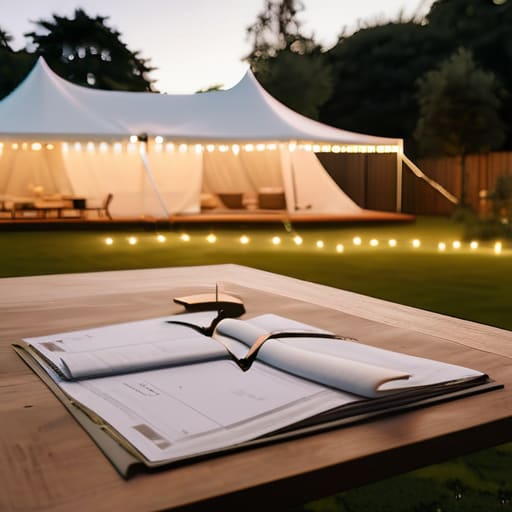
If you aren’t running a permanent venue like mine, you’re likely looking at a temporary event authorization, and that’s where the real headache begins. People treat these permits like a checkbox, but the council treats them like a microscope. You can’t just throw a marquee in a field, plug in a PA system, and hope for the best. If your paperwork doesn’t account for everything from toilet ratios to how you’re managing the noise bleed into the neighbor’s garden, you aren’t just looking at a fine; you’re looking at a shutdown.
Then there is the stuff people always forget until the first band arrives: the legalities of the sound itself. I’ve seen organizers get so caught up in the logistics of the bar that they completely ignore public performance rights for events. You can have the best temporary license in the world, but if you haven’t cleared the music through the right channels, you’re technically infringing on copyright laws the moment the first track drops. It’s an expensive oversight that nobody wants to deal with when the party is in full swing.
Five Hard Truths About Your Licence That No Planner Will Tell You
- Respect the hard stop. A licence isn’t a suggestion; it’s a brick wall. If your licence says 11:00 PM, the music doesn’t just get quieter—it dies. I’ve seen more weddings ruined by a “just one more song” mentality than by bad catering, and trust me, the police don’t care how much you paid for the DJ.
- Build in a buffer for the “human factor.” You might think you can transition from ceremony to drinks in thirty minutes, but you can’t account for the uncle who gets stuck in a long-winded conversation or the slow-moving crowd. Always plan your licence timings as if everything will take twenty percent longer than you think it will.
- Don’t forget the “noise” part of the permit. You might have the legal right to host the event, but if your bass is rattling the windows of the pub next door at midnight, your licence is effectively useless. Check the noise restrictions before you book the heavy percussion or the high-output sound system.
- Map your service times against your legal hours. There is no point in having a licence that runs until midnight if your caterers need to be out and the venue cleaned by 10:30 PM. If you don’t work backwards from the licence end, you’ll end up paying staff overtime to scrub floors while the guests are still trying to find their coats.
- Check the “premises” vs “event” distinction. Just because you’ve booked a venue that has a permanent licence doesn’t mean your specific event is automatically covered for everything you want to do. If you’re bringing in an outside vendor or changing the nature of the space, you need to make sure the paperwork actually covers your specific footprint.
The Final Countdown

At the end of the day, licensing isn’t some bureaucratic hurdle designed to ruin your fun; it is the structural skeleton of your entire event. You can have the most expensive floral installations and a five-course tasting menu that would make a Michelin chef weep, but if your paperwork is a mess or your temporary authorization is shaky, you are building on sand. Remember that the application process, the specific conditions of your permit, and the hard reality of your end time are the non-negotiables. Don’t let a lack of foresight turn a celebration into a standoff with local authorities. Get your timings right, respect the limits, and treat your licence as the foundation, not an afterthought.
I’ve stood in the wings of hundreds of events, watching the clock tick down toward that final, unmovable minute. The weddings that actually succeed—the ones people talk about for years—aren’t the ones that break the rules, but the ones where the logistics were so seamless that nobody even noticed the constraints. When you master the boring stuff like permits and power requirements, you create the space for the magic to actually happen. Plan for the friction, account for the gaps, and build a buffer into everything. If you get the logistics right, the party takes care of itself.
Frequently Asked Questions
If I’ve already booked a venue with a permanent licence, do I still need to apply for my own permit, or does their licence cover my specific event?
If you’ve booked a venue with a permanent licence, you’re usually in the clear—the venue’s licence covers the sale of alcohol and the premises itself. However, don’t get complacent. You need to check if their licence actually permits the type of event you’re running. If you’re bringing in an outside vendor or hosting something that deviates from their standard operating hours, you might be stepping outside their safety net. Always verify the specifics before you sign.
What happens if the party is actually going well but the licence end time hits—can I get an extension on the fly, or is that a hard stop?
It’s a hard stop. Period. I’ve seen it happen—the DJ is mid-track, the energy is peaking, and suddenly the lights come up because the clock hit midnight. You cannot call a licensing officer at 11:45 PM and ask for a favour. They don’t care how good the atmosphere is; they care about the law. If you want to dance longer, you plan for it months in advance. On the night? The music stops.
How much of a buffer should I build into my timeline to account for the "licence end" when planning the last dance and the final bar service?
You don’t build a buffer; you build a countdown. If your licence ends at midnight, the music stops at midnight. Period. I always tell clients to plan for the “final call” at 11:15 PM. You need that forty-five-minute window to clear the bar, settle the tabs, and transition from the last dance to people actually finding their coats. If you try to squeeze the last dance into the final ten minutes, you aren’t hosting a party; you’re managing a riot.