I’ve spent two decades watching people pour thousands of pounds into velvet stage runners and gold-leafed programs, only to have the entire night go sideways because they forgot to check if the podium actually has a power socket for the microphone. Most blogs will tell you that learning how to plan an awards evening is about selecting the right theme or finding the perfect lighting technician, but they’re selling you a fantasy. In my experience, the “magic” of a high-end gala isn’t found in the decor; it’s found in the unseen mechanics—the way the service staff moves through a crowded room without colliding with the keynote speaker, or how the transition from the three-course meal to the trophy presentation doesn’t leave five hundred hungry people staring at an empty stage.
I’m not here to talk about color palettes or how to pick a playlist that won’t offend the CEO. I’m here to give you the logistical blueprint that actually keeps a room from descending into chaos. We are going to look at the hard numbers: the precise timing of the kitchen turnover, the floor plan requirements for award recipients to reach the stage without tripping over a waiter, and how to manage the inevitable delay when a winner’s speech goes five minutes over. If you want to host an event that feels effortless, you have to plan for the friction.
Table of Contents
Awards Night Venue Selection More Than Just Pretty Lighting
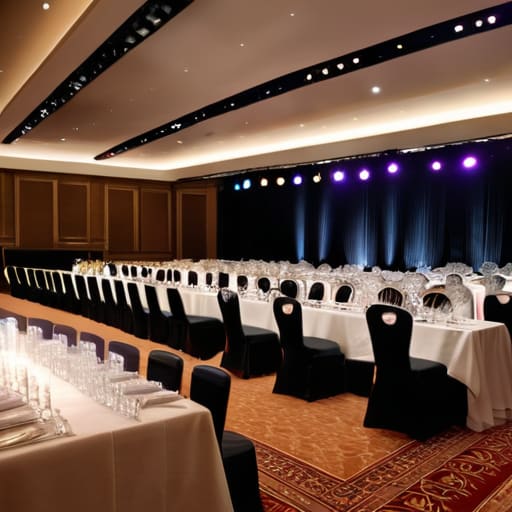
When you start awards night venue selection, most people fall in love with a mood board. They see a photo of a ballroom with sweeping chandeliers and think, “That’s the one.” I’ve spent eighteen years watching those same people realize that a beautiful room is useless if the power supply can’t handle the AV rig or if the stage is so far from the podium that the winners look like they’re performing in a different zip code. You aren’t just buying a room; you are buying a floor plan that needs to facilitate a specific award presentation flow without everyone tripping over a trailing XLR cable in the dark.
Don’t get blinded by the aesthetic. I’ve seen spectacular ceremonies grind to a halt because the venue didn’t have a dedicated loading bay for the trophy engraver or enough service corridors for the waitstaff to move without cutting through the middle of a keynote speech. When you are organizing corporate recognition events, your venue needs to be a functional machine. Check the sightlines from the back corner of the room and ensure the acoustics don’t turn your CEO’s heartfelt speech into a muffled mess. If the room looks great but the logistics are a nightmare, your guests will feel the friction, even if they can’t quite name it.
The Event Management Checklist for the Invisible Details
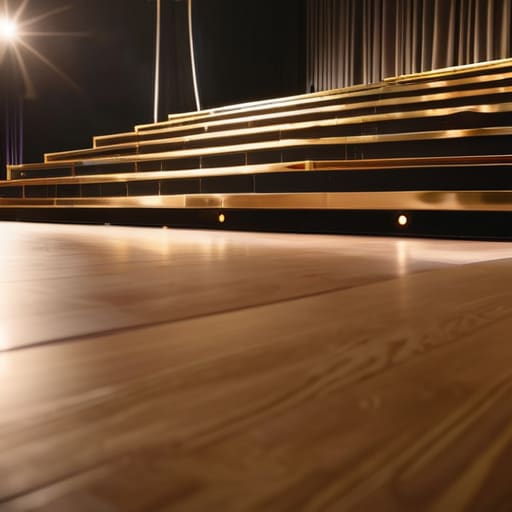
If you’re looking for a standard event management checklist that just tells you to “order napkins” and “confirm the DJ,” you’re in the wrong place. I’m talking about the stuff that keeps me awake at 2:00 AM when I’m mentally walking the floor. You need to map out the award presentation flow with surgical precision. It isn’t just about who wins; it’s about the physical movement of people. If your winner has to walk from the back of a dark room, navigate a waiter carrying a tray of champagne, and climb three steps to a stage, you’ve already lost the momentum. I’ve seen a thirty-second handover turn into a four-minute awkward shuffle because nobody accounted for the physicality of the stage access.
When you are organizing corporate recognition events, the script is often treated as a creative exercise, but I view it as a timing document. Don’t just hand your MC a generic awards ceremony script template and hope for the best. You need to bake in “buffer minutes” for the inevitable—the person who takes too long to get to the mic, or the technical glitch with the trophy lighting. Plan for the friction, because if you don’t, that friction is exactly what the guests will notice.
The Real Logistics: 5 Things That Will Break Your Awards Night
- Watch your power draw. Everyone wants a massive LED wall and a professional lighting rig to make the winners look like rockstars, but if you haven’t checked the circuit capacity of the room, you’re going to end the night with a dark room and a very expensive, very silent trophy presentation.
- The “Winner’s Walk” is a logistical nightmare in disguise. You need to map out the exact path from the table to the stage. If that path involves navigating around a waiter with a tray of champagne or a narrow gap between chairs, your “seamless” ceremony is going to look like a frantic obstacle course.
- Buffer your timings like your life depends on it. If the awards start at 8:00 PM, they will not start at 8:00 PM. People arrive late, drinks take longer to pour, and the keynote speaker will inevitably find a way to run over. I always count backwards from the licence end; if you don’t build in a twenty-minute “buffer zone” after the cocktail hour, your dinner service will be a disaster.
- Don’t forget the “Sound Check” isn’t just for the band. In an awards setting, the most important thing is that the person on stage can be heard over the clinking of silverware and the hum of a hundred conversations. If your AV guy hasn’t tested the mic specifically while the room is “active,” you’ll spend half the night asking people to speak up.
- Plan for the “Post-Award Rush.” The moment the final trophy is handed out, everyone wants to head for the bar or the exit at the exact same time. If your bar setup is tucked in a corner or your exit flow is cramped, you’ll create a bottleneck that makes your high-end event feel like a crowded subway station.
The Final Countdown

At the end of the day, a successful awards evening isn’t won during the trophy presentation; it’s won in the three hours before the first guest arrives. You can have the most expensive lighting rig in the city, but if your AV technician hasn’t checked the signal strength in the back corner of the room, or if your catering team is fighting for access to a single narrow service corridor, the whole thing will stumble. Remember to focus on the unseen infrastructure: the power loads, the floor plan flow, and the strict adherence to your licence end. If you get the logistics right, the evening feels like magic. If you get them wrong, it feels like a controlled disaster that everyone is too polite to mention.
Don’t let the pressure of the “big moment” blind you to the reality of the clock. Every minute counts, and every delay ripples through your entire schedule. But here is the truth: when you have accounted for the contingencies, when you have planned for the caterer who needs more space and the speaker who goes five minutes over, you actually earn the right to relax. A perfectly planned event isn’t about perfection; it is about resilience. When the logistics are airtight, you stop being a firefighter and start being a host. That is when you can actually step back, grab a drink, and watch the room work exactly the way you intended.
Frequently Asked Questions
How much buffer time should I actually build into the schedule to account for the inevitable award recipient who takes ten minutes too long on stage?
If you’re planning for a tight schedule, you’re already planning for failure. Every time someone wins, they don’t just walk to the stage; they hug three people, find a microphone that isn’t quite at their height, and then deliver a speech that was supposed to be sixty seconds but ends up being six minutes. Build in a fifteen-minute “chaos buffer” for every hour of awards. If you don’t, you’ll be chasing the licence end by 11:00 PM.
What’s the realistic way to manage the transition from the formal presentation to the bar service without everyone hitting the drinks at the exact same second?
The secret is a staggered release, not a sudden flood. If you end the presentation and immediately shout, “The bar is open!”, you’ll have a bottleneck that’ll take twenty minutes to clear and a service staff that’s immediately overwhelmed. Instead, weave in a “soft transition.” Have the host announce that light refreshments are available in the foyer while the room is being reset. It spreads the crowd out and stops the stampede.
How do I calculate the power requirements for the AV setup so I don't end up tripping a breaker halfway through the keynote?
Stop guessing. You don’t just look at the AV rider and hope for the best; you need a load calculation. Every piece of kit—the projectors, the sound desk, the stage lights—has a wattage rating. Add them up, but here’s the part the brochures skip: add a 20% safety buffer. If you’re running everything off one circuit and that keynote speaker hits a high note, you’ll be standing in the dark. Check your breakers first.