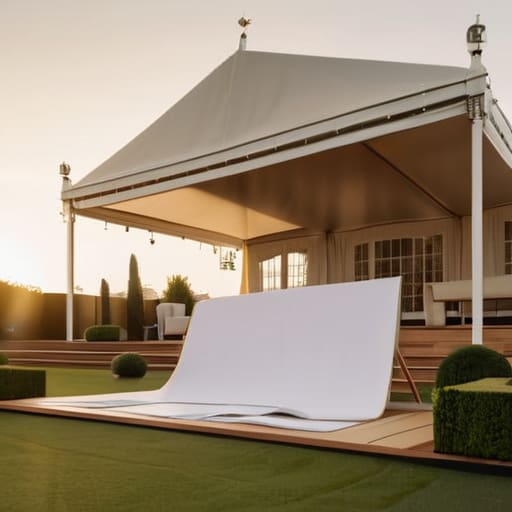
I spent last Saturday standing in a muddy field at 11:00 PM, watching a $5,000 marquee struggle to stay upright while a caterer screamed about a lack of stable ground for his prep table. If you’ve been scrolling through wedding blogs, you’ve been sold a lie that an outdoor wedding is just a romantic extension of a ballroom, perhaps with more wildflowers and better lighting. In reality, understanding how outdoor events differ isn’t about choosing the right shade of sage green for your napkins; it’s about realizing that once you leave the four walls of a venue, you are suddenly in a constant battle with physics, weather, and power grids.
I’m not here to talk to you about aesthetics or how to pick the perfect centerpiece. I’ve run nine hundred weddings, and I know that the “magic” of an outdoor setting is usually held together by sheer logistical willpower. In this guide, I’m going to strip away the Pinterest fluff and give you the actual, unvarnished truth about the moving parts you can’t see in the professional photos. We’re going to talk about power requirements, the brutal reality of guest movement, and why your “dream” outdoor layout might actually be a logistical nightmare if you don’t plan for the transition.
Table of Contents
Outdoor Site Preparation Requirements and the Mud Factor
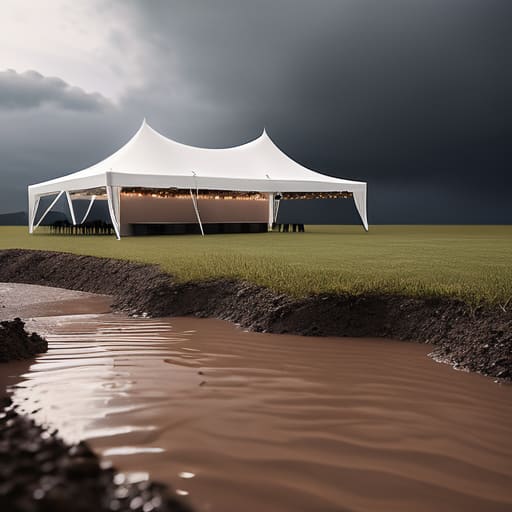
Everyone talks about the “dreamy meadow” aesthetic until the first guest arrives in four-inch heels and sinks halfway to their ankle in a patch of unexpected silt. This is where most people realize that outdoor site preparation requirements are less about choosing the right grass and more about the heavy-duty reality of ground stability. You aren’t just setting up a marquee; you are managing a temporary landscape. If you haven’t accounted for the weight of a mobile bar or the sheer volume of foot traffic, you aren’t planning an event—you’re planning a mud wrestling tournament.
Then there is the infrastructure. In a venue, power comes from a wall; outdoors, you are playing a high-stakes game of managing outdoor venue infrastructure with cables snaking through damp grass. If your caterer plugs in a heavy-duty oven and your lighting rig simultaneously, you’ll find out very quickly if your generator was actually up to the task. You need to plan for the “what ifs”—not just the rain, but the ground becoming a sponge. I’ve seen a perfectly curated wedding turn into a logistical nightmare because someone forgot that water always finds the path of least resistance.
Managing Outdoor Venue Infrastructure Before the First Guest Arrives
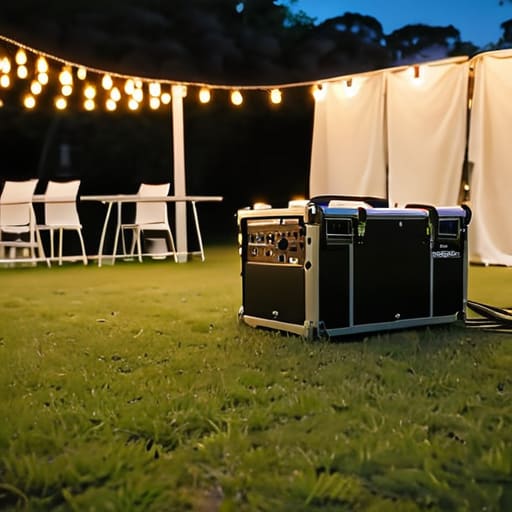
When you move a party from a controlled ballroom to a field, you aren’t just changing the view; you are suddenly responsible for every single utility that a building usually provides for free. Managing outdoor venue infrastructure is essentially a game of playing God with electricity and water. You can have the most expensive floral installation in the county, but if your portable power solutions fail because a single caterer plugged in a high-draw coffee machine on the same circuit as the DJ, your evening is dead in the water. I’ve seen more weddings ruined by a tripped breaker than by a bad marriage.
Then there is the matter of the “invisible” essentials—the stuff guests only notice when it’s missing. If you are looking at temporary facility rentals for events, do not, under any circumstances, skimp on the toilet count or the placement of lighting. A dark path to a portable loo at 11:00 PM is a recipe for a broken ankle and a very expensive insurance claim. You need to map out your power runs and waste management with the same precision you’d use for a seating plan. If it isn’t anchored, powered, or plumbed, it isn’t an event; it’s just a group of people standing in a field.
The Logistics of the Elements: 5 Things Your Pinterest Board Won't Tell You
- The “Buffer Hour” is your new best friend. In a venue, if the ceremony runs ten minutes late, you just nudge the canapés. Outdoors, if the ceremony runs late, you’re fighting a losing battle against a setting sun that doesn’t care about your schedule. You need a thirty-minute contingency built into every single transition to account for the inevitable “nature delay.”
- Power isn’t a plug in the wall; it’s a math problem. You cannot simply run a string of fairy lights and a DJ’s deck off a single domestic extension lead from the garden shed. You need to calculate the peak draw of every single piece of equipment—caterers, lighting, sound, and even the coffee machine—and ensure your generator has the headroom to handle it without tripping mid-first-dance.
- The “Drink Throughput” reality check. People move differently in an open space than they do in a carpeted ballroom. In a garden, they wander. They drift toward the edge of the lawn or get lost in a corner of the marquee. If you don’t place your bars strategically to intercept these natural movement patterns, you’ll end up with a bottleneck of thirsty guests and a bar staff that’s drowning.
- Lighting isn’t just for aesthetics; it’s for safety and egress. A beautiful twilight ceremony looks great in photos, but once the sun drops, your guests become a liability. You need dedicated, low-level lighting for every path, every step, and every transition point between the bar and the toilets. If they can’t see where they’re stepping, you’re looking at a very expensive trip to the local A&E.
- The Plan B must be a Plan A, not an afterthought. If your “Rain Plan” involves a frantic, sweaty scramble to move two hundred chairs and a floral installation into a tent twenty minutes after the clouds burst, you’ve already lost. A proper outdoor plan has a pre-defined, pre-vetted secondary location that is ready to go the moment the first drop hits the ground.
The Reality Check
At the end of the day, planning an outdoor event is a constant negotiation with things you cannot control. You can spend months perfecting the colour palette, but if you haven’t accounted for the power draw of the catering equipment or the inevitable shift in ground level when the sun goes down, the aesthetic won’t save you. It comes down to the invisible stuff: the drainage, the lighting-to-table ratios, and having a Plan B that doesn’t involve guests standing in a damp field. If you manage the logistics—the power, the access, and the mud—the rest of the event usually takes care of itself. Don’t plan for the sunshine; plan for the reality of the terrain.
I know it sounds cynical, but there is a specific kind of magic that happens when an outdoor event actually works. There is nothing quite like seeing a hundred people laughing under a marquee, completely unaware that three hours of frantic, invisible heavy lifting went into making sure their champagne stayed cold and their feet stayed dry. When the logistics are seamless, the event feels effortless, and that is when the real memories are made. Stop obsessing over whether the wildflowers match the napkins and start making sure your infrastructure is bulletproof. Do that, and you won’t just have a beautiful event; you’ll have one that actually survives the night.
Frequently Asked Questions
How do I handle a sudden weather shift without losing the entire budget on a last-minute marquee rental?
Don’t wait for the clouds to turn grey before you call the marquee company; by then, you’re paying a “panic premium” that’ll gut your catering budget. Instead, build a “Plan B” into your initial site map. If you can’t afford a full tent, invest in high-quality, heavy-duty stretch tents or even a solid indoor fallback. It’s about having a contingency for the logistics, not just a backup for the aesthetics.
What’s the realistic way to manage a bar service when you don't have the luxury of built-in plumbing or easy power access?
Forget the fancy cocktail menus for a second; if you don’t have taps or sockets, you’re playing a game of water weight and battery life. You need a dedicated water station—not just for the guests, but for the staff to actually wash a glass without a bucket. As for power, don’t trust a single extension lead for the fridges. If that generator coughs, your expensive gin becomes lukewarm soup, and that’s a conversation I never want to have.
How much extra time do I actually need to build into the schedule for guest movement when there isn't a clear, paved path between the ceremony and the drinks reception?
You need to stop thinking in minutes and start thinking in “buffer zones.” If you’re moving a hundred people across grass or gravel instead of a paved aisle, you’re looking at a minimum of twenty to thirty extra minutes. People don’t walk in a straight line when there’s a slope or a loose stone; they meander, they stop to take photos, and they trip. If your schedule doesn’t account for that friction, your drinks reception will be a ghost town.