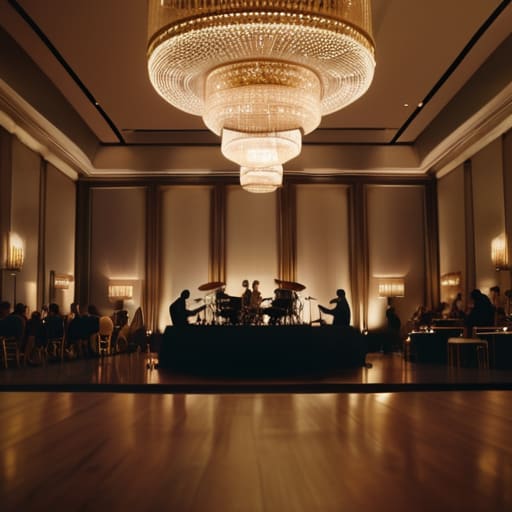
I’ve sat in the back of a hundred reception halls, nursing a lukewarm coffee while watching a “bespoke” wedding playlist fall apart in real-time. You see it every time: a couple spends six months obsessing over the perfect acoustic cover of a Taylor Swift song for their processional, but they haven’t given a single thought to how wedding music is planned around the actual movement of people. I once watched a string quartet struggle for ten minutes because the aisle was too narrow for their music stands and the guests were blocking the power outlet. It wasn’t a lack of talent; it was a failure of logistics.
I’m not here to tell you which artists are trending on TikTok or which expensive violinists will make your ceremony feel “ethereal.” I’m here to talk about the stuff that actually matters: the power requirements for your DJ, the awkward silence between the speeches and the first dance, and how to ensure your playlist doesn’t die the second the licence ends. I’m going to show you how to build a musical timeline that actually works with your venue, your catering, and your guests, so you can spend less time worrying about the volume and more time actually enjoying the party.
Table of Contents
Selecting Wedding Ceremony Songs Without Breaking the Flow

Everyone gets caught up in the “big moment”—the song that plays while the doors open and the bride walks down the aisle. But if you only focus on that thirty-second crescendo, you’re going to trip over the transitions. Selecting wedding ceremony songs isn’t just about the emotional impact; it’s about managing the silence. I’ve seen too many ceremonies stall because the music stopped abruptly after the vows, leaving a vacuum of awkward quiet while the celebrant fumbles with the marriage certificate. You need a plan for the “liminal” music—the stuff that fills the gaps during the seating of the guests and the signing of the register.
You also need to consider the acoustic reality of your space. If you’re choosing a live string quartet for a high-ceilinged stone chapel, they’ll sound divine. But if you try to squeeze a full acoustic trio into a cramped, carpeted lounge, you’re going to have a volume war on your hands. Think about the energy shift; the music should facilitate movement, not act as a barrier. Treat your ceremony music as the first gear in your wedding entertainment timeline, ensuring the tempo builds naturally toward the recessional rather than hitting a dead end.
The Wedding Entertainment Timeline Managing Acoustic Transitions
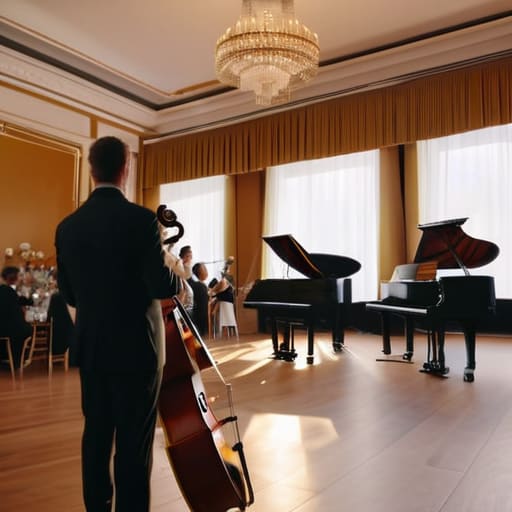
The biggest mistake I see isn’t the song choice itself; it’s the dead air between the sets. You can have the most talented string quartet for the ceremony, but if there isn’t a plan for the transition to the cocktail hour, you’re just left with a room full of people staring at each other in awkward silence. A solid wedding entertainment timeline needs to account for the physical movement of the musicians and the shift in volume. If you’re moving from live acoustic sets to a DJ, you need to factor in the “changeover gap.” I’ve seen more weddings lose their momentum during a twenty-minute equipment swap than during a bad song choice.
When you’re deciding between a live band vs dj for weddings, you aren’t just choosing a sound; you’re choosing a logistical footprint. A band needs a stage, dedicated power circuits, and a footprint that doesn’t swallow your dance floor. If you don’t map out these transitions, you’ll find your guests drifting toward the bar because the energy hit a wall. Plan for the gaps, because the music only works if the energy stays consistent.
Five Ways Your Music Plan Will Either Save the Night or Sink the Schedule
- Audit your power supply before you book the big names. I’ve seen a thousand-pound DJ setup die mid-first-dance because the couple didn’t realise the catering ovens and the sound system were sharing a single, overworked circuit. If the band is plugging in, make sure they aren’t fighting the coffee machine for juice.
- Plan for the ‘Dead Air’ gaps. Everyone picks the songs for the walk down the aisle, but nobody plans for the three minutes of awkward silence while the celebrant is shuffling papers or the guests are migrating from the ceremony space to the bar. You need a ‘buffer playlist’ that isn’t just a random shuffle; it needs to bridge the transition without sounding like a waiting room in a dentist’s office.
- Respect the licence end like it’s a hard wall. You can have the best live band in the country, but if they’re mid-chorus when the lights go up and the music cuts at midnight, the mood doesn’t just dip—it crashes. Work backwards from the end time: if the licence ends at 12, the last song needs to be wrapped by 11:45 to allow for the inevitable ‘one more song’ begging and the actual exit of your guests.
- Factor in the ‘Caterer’s Radius’. If you’ve booked a massive percussion ensemble or a brass band, check where they are actually standing. I’ve seen beautiful setups where the musicians were so close to the service entrance that every time a waiter came out with a tray of hot plates, the entire rhythm of the set was broken. Music needs space to breathe, and so do the people serving the food.
- The ‘Vibe Shift’ requires a logistics plan, not just a playlist. Moving from a cocktail hour to a seated dinner to a high-energy dance floor isn’t just about changing genres; it’s about managing volume levels and guest movement. If the music is too loud during dinner, people stop talking and start looking at their watches. If it’s too quiet during the transition to dancing, you’ll spend forty minutes trying to coax a single person onto the floor.
The Final Countdown
At the end of the day, planning your wedding music isn’t about curating a perfect Spotify playlist; it is about managing the gaps between the notes. You have to account for the transition from the solemnity of the ceremony to the chaos of the cocktail hour, and ensure your DJ isn’t fighting for a single power socket in a room full of decor. If you have mapped out your acoustic shifts, respected the hard stop of the venue licence, and planned for the unpredictable energy of a crowd that has had three gin and tonics, you have already won half the battle. Remember, the best music isn’t just what people hear, it is how the timing feels when the room moves from one phase to the next without a single awkward silence.
When the lights go down and the first track of the reception hits, the logistics should be invisible. My goal is always to reach a point where the guests don’t notice the seamless handoff from the string quartet to the band because they are too busy actually enjoying themselves. You can obsess over the colour palette and the floral arrangements all you want, but it is the rhythm of the evening that dictates the memory. Plan the hell out of the technicalities so that when the music starts, you can finally stop being a project manager and just be a guest at your own wedding.
Frequently Asked Questions
How do I handle the music transition if the ceremony runs twenty minutes over and eats into the cocktail hour?
If the ceremony bleeds twenty minutes into your cocktail hour, you don’t have a “vibe” problem; you have a bottleneck problem. Don’t try to make up the time by rushing the food—that’s how you get angry guests and a frantic kitchen. Instead, tell your DJ or band to skip the “build-up” set and go straight to the high-energy tracks. You need to compress the transition. Move the drinks to the ceremony exit immediately to clear the crush.
What happens if the band needs more power than the venue's sockets can actually provide?
If your band shows up and tries to plug a massive PA system into a single daisy-chained extension lead, you’re looking at a blown fuse ten minutes into the first set. That’s not a “vibe”; that’s a dark room and a very expensive silence. You need to check the venue’s dedicated power circuits before the first rehearsal. If the load is too heavy, you’ll need a distribution board or a generator. Don’t let a tripped breaker kill the momentum.
How do I coordinate the DJ's setup time so they aren't still untangling cables while guests are arriving for the speeches?
You don’t coordinate the setup; you mandate it. Your contract needs to state that the DJ is “show-ready” sixty minutes before the first guest hits the door. If they’re still wrestling with XLR cables while your Aunt June is looking for a gin and tonic, you’ve already lost the room. I tell my clients: build a two-hour buffer into the load-in. If they aren’t tucked away and tested by the time the ceremony starts, they’re a liability, not entertainment.