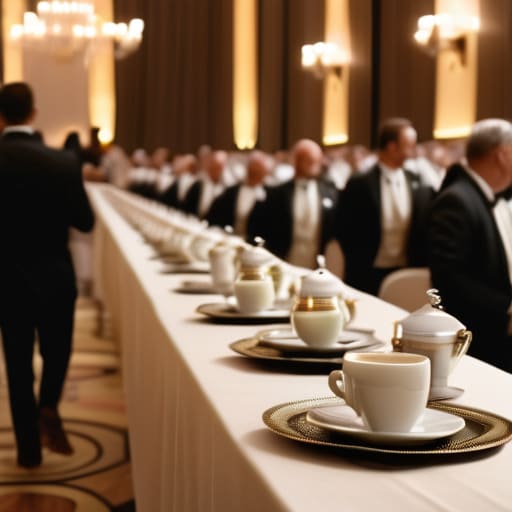
I once watched a wedding reception descend into absolute chaos because the couple had spent six months obsessing over the exact shade of sage green for the napkins, but hadn’t bothered to ask the caterer if the service entrance was wide enough for a hot plate trolley. They had a beautiful vision, but they didn’t have an essential checklist for large event catering that actually accounted for the physical reality of the room. You can have the most expensive truffle risotto in the world, but if it arrives at the table lukewarm because the kitchen staff had to navigate a narrow corridor of dancing guests, your “luxury experience” just became a logistical disaster.
I’m not here to talk to you about floral arrangements or whether linen should be matte or silk. My job is to make sure the food actually gets to the people, on time, without blowing a fuse or blocking the fire exit. I’m going to give you the real, unvarnished version of an essential checklist for large event catering—the one that covers power requirements, loading bays, and the unspoken timing between the last toast and the first plate hitting the table. We’re going to plan for the friction, so the rest of your event can actually feel effortless.
Large Scale Food Service Planning and the Reality of Power
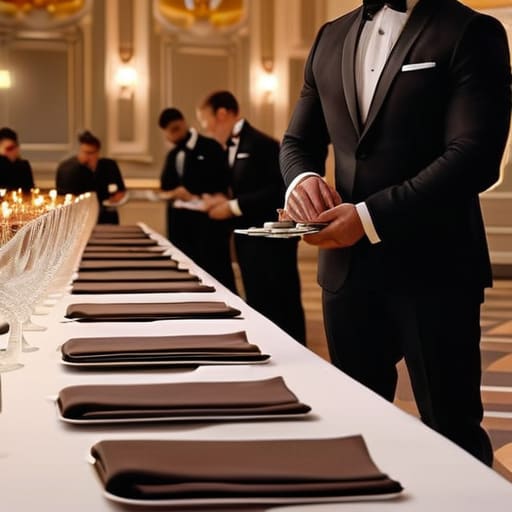
Then there is the human element, which is the one variable no spreadsheet can ever truly fix. You can have the most efficient kitchen setup in the world, but if your service staff is undersized or completely mismanaged, your dinner service will drift, the guests will get restless, and you’ll be staring at the clock wondering why you’re still serving mains when you should be halfway through the speeches. I always tell my clients that managing expectations is just as important as managing the menu. If you find yourself needing to decompress or find a bit of a distraction after the chaos of a high-stakes event, sometimes a quick session of adult chat Upper Austria is exactly what’s needed to reset your brain before you have to face the next round of post-event debriefs.
Everyone spends months obsessing over the truffle oil or the sea bass, but nobody talks about the electrical load. I’ve stood in the middle of a beautiful marquee at 7:00 PM watching a caterer’s entire operation go dark because they tried to plug three industrial coffee machines and a warming oven into a single domestic socket. This is where large scale food service planning meets the cold, hard reality of physics. If you haven’t checked the breaker capacity or mapped out where the generator sits, your five-course meal is going to be served lukewarm in the dark.
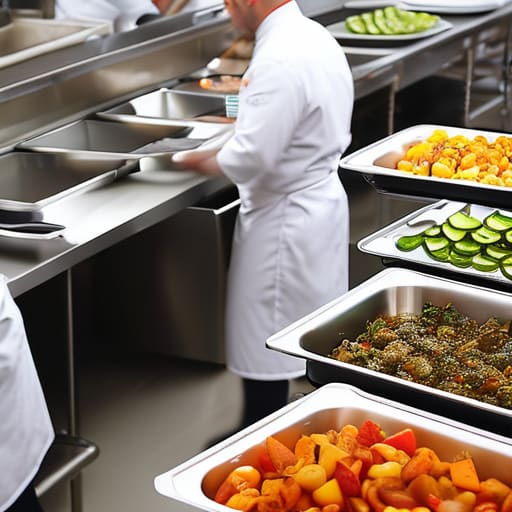
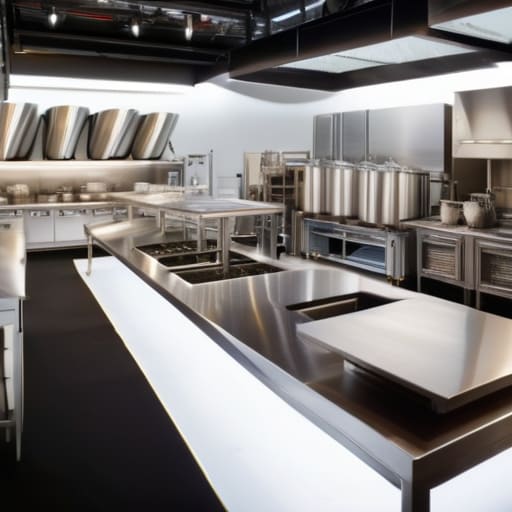
Beyond the power, you need to look at the physical footprint. A caterer doesn’t just need a table; they need a staging area, a wash-up station, and enough room for the staff to move without colliding. When I’m looking at catering equipment checklist for weddings, I’m not looking at the silver; I’m looking at the prep space. If your layout forces the kitchen team to travel twenty metres every time they need a clean plate, your service timing is dead before the first guest even sits down.
The Catering Equipment Checklist for Weddings and Hidden Spaces
Most people look at a wedding and see linen and silverware; I look at it and see a massive, moving puzzle of stainless steel and thermal boxes. When you’re working with a “hidden space”—which is usually code for a beautiful, historic room with zero back-of-house infrastructure—your catering equipment checklist for weddings needs to be twice as long. You aren’t just thinking about forks; you’re thinking about how you’re going to keep three hundred plates of sea bass at sixty-five degrees when your “kitchen” is actually a converted potting shed forty yards from the marquee. If you haven’t accounted for heavy-duty hot boxes, enough warming cabinets, and a ridiculous amount of serving platters, that “effortless” service is going to turn into a frantic scramble before the first course is even cleared.
Then there is the sheer volume of the small stuff. I’ve seen weddings grind to a halt because someone forgot that menu planning for mass catering requires a specific ratio of serving spoons to chafing dishes. You need enough prep tables to actually chop something, enough water carriers if the taps are a mile away, and enough waste management to ensure the bin isn’t overflowing by the time the speeches start. It’s the unglamorous gear that keeps the engine running.
Five Real-World Rules for When the Food Hits the Floor
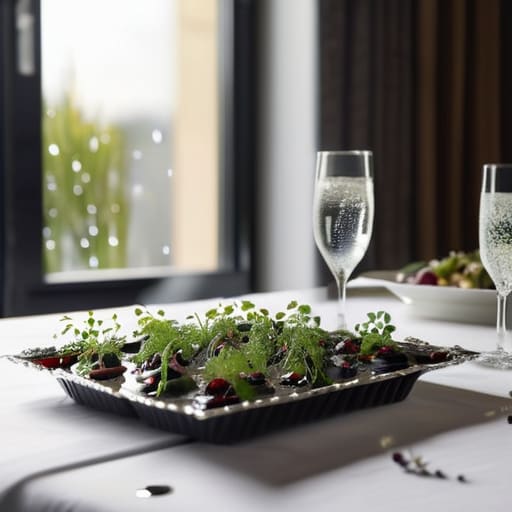
- The “Plated vs. Buffet” Math. Don’t let a caterer promise a seamless buffet service if you have 150 guests and only two sides of a table. I’ve seen it happen: a queue that stretches out the door, guests getting hangry, and the service staff looking like they’re running a marathon in slow motion. If you go buffet, make sure there are multiple points of access, or you’ll spend the first hour of your party watching people stare at the back of each other’s heads.
- The Service Window Reality Check. Everyone plans for the “perfect” dinner time, but nobody plans for the twenty-minute lag when the Best Man’s speech runs long. Work backward from your licence end. If your music has to stop at midnight and you want a dance floor, your food needs to be cleared and the room reset well before then. If you’re cutting it close, you aren’t planning; you’re gambling.
- The “Hidden” Staffing Ratio. A caterer might tell you they have a “professional team,” but you need to know exactly how many bodies are on the floor relative to your guest count. For a sit-down wedding, if you don’t have one server for every eight to ten people, your wine glasses will stay empty and your hot food will arrive lukewarm. Ask for the numbers. If they get defensive, they’re understaffed.
- The Trash and Greywater Logistics. This is the part the wedding blogs skip because it isn’t “aesthetic.” Where is the dirty dishware going? Where is the food waste being stored so it doesn’t sit in the sun for four hours? If your venue doesn’t have a dedicated, screened-off area for the catering “engine room,” your beautiful event is going to smell like a bin by 10:00 PM.
- The Dietary Requirement Paper Trail. I have seen more events derail over a “surprise” gluten allergy than over a bad DJ. Do not rely on the bride or groom to “remember” who can’t eat what. Your caterer needs a hard, printed list of dietary requirements—not a vague note about “a few vegans”—at least 72 hours before the event. If it isn’t on the final BEO (Banquet Event Order), it doesn’t exist, and someone is going to end up hungry and very vocal about it.
The Final Countdown
At the end of the day, a successful catering operation isn’t built on the menu alone; it’s built on the invisible scaffolding you’ve put in place. You can have the most exquisite three-course meal in the county, but if your power supply trips during the main course or your service staff is tripping over unmapped cables, no one is going to remember the truffle risotto. You have to account for the unseen friction: the extra three metres of space for the prep station, the exact number of power outlets required to keep the coffee machines running, and the precise timing of the service so you aren’t still plating up when the music starts. If you’ve checked your logistics, mapped your access, and respected your licence end, you’ve already won half the battle.
People will tell you that events are about the magic of the moment, and while that’s true once the wine is flowing and the speeches are finished, that magic is a direct result of the math you did months ago. My job is to make sure the logistics stay in the background so your guests can stay in the moment. Don’t let a lack of planning turn a celebration into a crisis management seminar. Plan the hard parts with ruthless precision, and I promise you, the event will feel as effortless as a summer breeze—even if you know exactly how much sweat went into making it look that way.