I spent three hours last Saturday watching a photographer try to stage a “candid” sunset shot while the catering team was frantically trying to move a three-tier cake through a doorway that was clearly too narrow. It was a masterclass in what happens when you hire based on a curated Instagram feed rather than operational awareness. Everyone tells you that learning how to choose a photographer is about finding the right “vibe” or a specific filter, but they’re selling you a dream that falls apart the moment the buffet opens. If they don’t understand that they need to be out of the way when the speeches start or how to navigate a room when the lighting is terrible and the bar queue is a mile long, all those pretty portraits won’t mean a thing.
I’m not here to talk about color palettes or whether their presets look “dreamy.” I’ve managed nine hundred weddings, and I know that a great photographer is actually a logistics specialist with a high-end lens. In this guide, I’m going to show you how to vet them for the real stuff: their ability to manage a timeline, their awareness of the room, and how they handle the inevitable chaos of a live event. We’re going to look past the aesthetic to find the professional who actually makes your day run smoother.
Table of Contents
Beyond the Portrait Photography Aesthetic
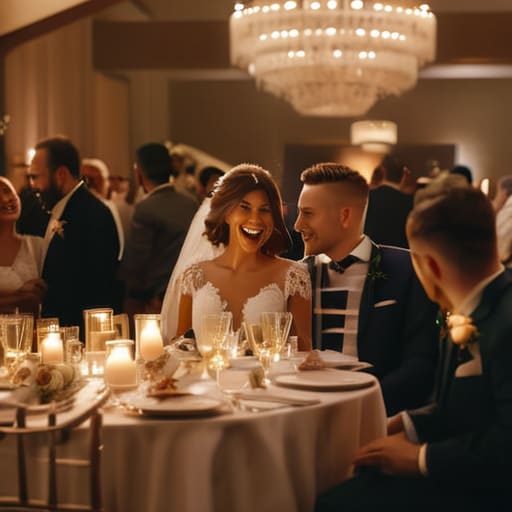
When you’re scrolling through a website, it’s easy to get hypnotized by the portrait photography aesthetic. You see the glowing bride, the perfect lighting, and the moody forest shots, and you think, that’s the one. But a wedding isn’t a controlled studio session; it’s a moving target. I’ve stood in the back of rooms where the lighting was terrible, the guests were blocking the aisles, and the schedule was slipping by fifteen minutes every hour. You don’t need someone who can only shoot when the sun is hitting a specific angle; you need someone who can find the shot when the caterer’s trolley is in the way and the reception is halfway through a chaotic transition.
During your photography portfolio review tips phase, stop looking just at the “hero” shots. Look for the candid, messy stuff. Look for how they handle low light in a crowded dining room or how they capture movement without it looking like a blurry accident. You want to see that they can navigate a room without tripping over the decor or getting in the way of the service staff. If their portfolio is nothing but staged, silent portraits, they might struggle when the real, unscripted chaos of a 10:00 PM dance floor hits.
The Realities of Digital Image Turnaround Time

Everyone wants to talk about the “vibe” of the photos, but nobody wants to talk about the three-month black hole that follows the reception. You’ll see a stunning gallery online, but that’s the highlight reel, not the reality of the workflow. When you are looking at a professional photography service agreement, do not just skim the fine print regarding the delivery dates. I have seen too many weddings where the couple is still buzzing from the honeymoon, only to realize they won’t see a single usable shot until the autumn chill sets in.
You need to be blunt about the digital image turnaround time. Ask them exactly when the “sneak peeks” arrive and when the full gallery hits your inbox. If they give you a vague answer like “as soon as possible,” they haven’t given you an answer at all; they’ve given you a way to avoid accountability. A professional knows their capacity. They should be able to tell you if they have a backlog or if they’ve built in a buffer for when a memory card fails or a hard drive crashes. In my business, if the catering is late, it’s a crisis; in theirs, if the images are late, it’s a heartbreak.
Five Things Your Pinterest Board Won't Tell You
- Ask about their “Plan B” for lighting. Everyone looks great in the golden hour with a soft filter, but I want to know what happens when the sun goes down, the reception lights are dim, and they’re trying to capture a toast without a flash that blinds your grandmother and turns your wedding photos into a police lineup.
- Check if they understand the flow of a room. A good photographer doesn’t just stand in the corner; they know how to weave between the tables without tripping over a server carrying a tray of champagne or getting in the way of the caterer who is trying to clear plates before the speeches start.
- Don’t just look at the “highlights.” Anyone can take twenty great shots. Ask to see a full gallery from a single wedding—the unedited, uncurated reality. I need to see if they can handle the messy bits, like the chaotic transition from ceremony to drinks, where the real energy lives.
- Verify their “license to operate” within your timeline. If your venue licence ends at midnight, your photographer needs to be someone who understands that the party doesn’t just “stretch on.” They need to be efficient enough to get the key shots before the lights go up and the guests start heading for the exits.
- Interview them on their crowd management. You aren’t just hiring an artist; you’re hiring someone who has to navigate a room of two hundred people. You want the person who can subtly nudge a drunken uncle out of the frame without making a scene or ruining the mood of the room.
The Bottom Line
At the end of the day, choosing a photographer isn’t about finding the person with the most expensive lens or the most curated Instagram grid. It’s about finding the professional who understands that your wedding isn’t a static photo shoot; it is a moving, breathing, often chaotic sequence of events. You need someone who respects the tight turnaround between your ceremony and the wedding breakfast, someone who won’t get in the way of the catering staff, and someone who knows exactly when to step back so they don’t miss the moment the speeches actually start. If they can’t talk to you about logistics and lighting transitions with the same ease they talk about filters, they aren’t ready for the reality of a live venue.
Look, I’ve seen enough weddings to know that the “perfect” shot is often born out of a bit of controlled chaos. You aren’t just hiring an artist; you are hiring a silent partner in your event’s timeline. When you find that person—the one who makes you feel calm when the schedule starts slipping and who sees the unseen moments instead of just the posed ones—you’ve won. Don’t settle for someone who only sees the flowers; hire the person who sees the entire room in motion. Because when the lights go down and the licence ends, those photos are the only thing left that actually works.
Frequently Asked Questions
How do I make sure they actually show up on time and don't spend the first forty minutes of my reception fiddling with their settings while the guests are still waiting for a drink?
Don’t just take their word for it; bake it into the contract. Ask them specifically how they handle the “arrival window.” You want a professional who arrives thirty minutes before the first guest to scout the light and test the gear, not someone sprinting through the door with a heavy bag and a look of panic. If they can’t walk you through their setup routine, they’ll be the reason your cocktail hour turns into a waiting game.
If I’m planning a tight turnaround between the ceremony and the sit-down meal, how do I know they won't spend the entire hour doing portraits and miss the actual logistics of the room setup?
You don’t find out by asking if they’re “good with people”; you find out by looking at their shot list and timeline. If they haven’t accounted for the twenty-minute window where the florist is frantically repositioning centerpieces or the caterers are doing their final sweep, they aren’t thinking ahead. Tell them exactly when the room needs to be “set” and ask how they plan to capture the transition without getting in the way of the staff.
What’s the best way to vet their backup plan for when their gear fails or they get stuck in traffic, because "sorry" doesn't fix a missed first dance?
Don’t ask if they have a backup plan; ask them to walk you through it. You want to hear about the secondary camera body in the car, the duplicate memory cards, and the specific person they call if a transmission blows on the M1. If they give you a vague “don’t worry, I’m a professional,” keep moving. A professional has a contingency for the chaos, because “sorry” doesn’t look good in a wedding album.