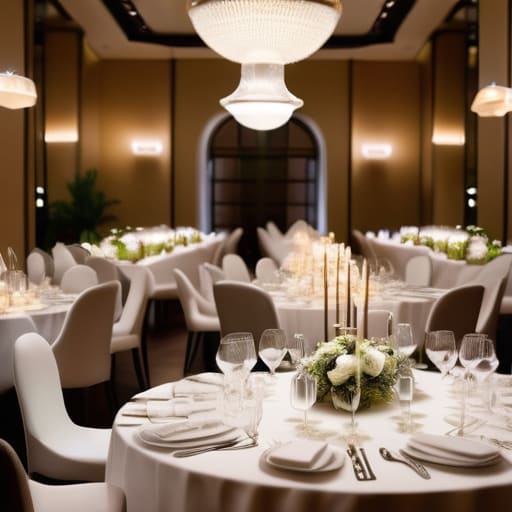
I’ve spent two decades watching people spend thousands of pounds on silk peonies and hand-dipped taper candles, only to realize halfway through the reception that their “aesthetic vision” has turned the dining room into a navigational nightmare. Most wedding blogs will tell you that how styling and decor decisions are made is a matter of mood boards and color palettes, but they’re selling you a fantasy. They don’t mention that a massive, floor-to-ceiling floral installation is useless if it prevents the catering team from reaching the side door, or that a heavy velvet tablecloth is a disaster when you’ve only got a twenty-minute turnaround between the ceremony and the first course.
I’m not here to talk about which shade of blush looks best under a soft-focus lens. Instead, I’m going to show you how to make decisions that actually work when the doors open and the guests arrive. We’re going to look at the hard math of floor space, the reality of lighting requirements, and the logistical impact of every single “pretty” thing you add to the room. By the end of this, you’ll understand that the best decor isn’t just seen—it’s functionally invisible.
Table of Contents
Interior Design Aesthetic Principles Meet Real World Constraints
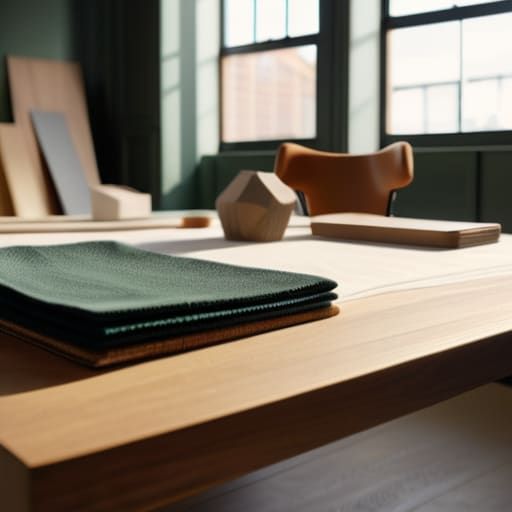
The Pinterest boards will tell you that choosing a theme is about finding a soul-stirring mood, but in my experience, it’s actually about the friction between interior design aesthetic principles and the physical reality of a room. You can spend months on a meticulous color palette selection process, picking out the perfect sage greens and muted golds, but if those colors are being reflected off a high-gloss floor that’s currently being mopped by a panicked steward, your vision is dead on arrival. I’ve seen couples fight over velvet vs. linen only to realize neither matters when the lighting rig is casting a shadow over the entire head table.
The real trick is understanding the tension between functional vs decorative elements. A massive, sprawling floral installation might look divine in a static photograph, but if it forces your guests to shimmy sideways just to reach the buffet, you haven’t designed an event; you’ve designed an obstacle course. You have to account for the “human flow”—the way a crowd moves when they’ve had three gins and the music shifts. If your decor doesn’t respect the spatial logistics of the room, it’s just expensive clutter.
Balancing Texture and Scale Against Moving Bodies
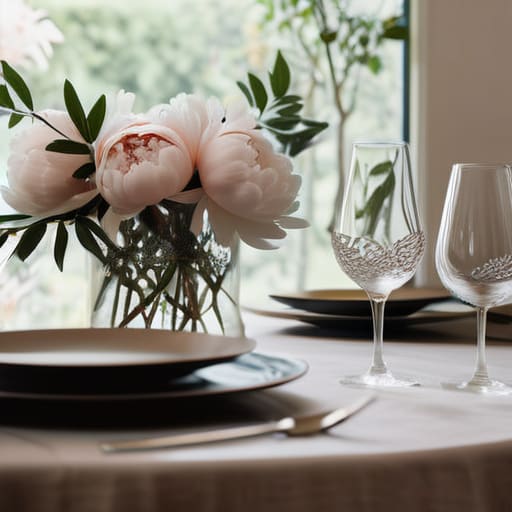
You can spend six months perfecting your color palette selection process, but all that careful work means nothing if your “statement” centerpieces are six inches too wide. I’ve seen it a dozen times: a couple picks these gorgeous, sprawling floral arrangements that look incredible in a mood board, but they end up being a nightmare for balancing texture and scale against the actual human beings in the room. When you’re trying to navigate a crowded wedding breakfast, a centerpiece shouldn’t be an obstacle course. If a guest has to crane their neck just to see the person opposite them, or if a server has to play Tetris with a tray of wine glasses to get past a velvet lounge chair, you haven’t designed a room; you’ve designed a bottleneck.
It’s the classic struggle of functional vs decorative elements. You want the tactile richness of heavy linens and layered textures to create that sense of luxury, but you have to remember that these materials are moving through a high-traffic zone. A beautiful, oversized floor vase might look like a piece of art, but if it’s sitting in a primary thoroughfare, it’s just a lawsuit waiting to happen when a bridesmaid in a trailing dress catches the edge.
The Five Deadlies: Where Aesthetics Hit the Reality of the Floor Plan
- Stop choosing centerpieces based on how they look in a still photo and start looking at the sightlines. If your guests can’t see the person sitting opposite them because of a massive eucalyptus arrangement, you haven’t created an atmosphere; you’ve created a social barrier. A wedding is a conversation, not a museum exhibit.
- The “Floating Candle” Trap. Everyone loves the glow, but nobody talks about the logistics of a waiter navigating a dark room with a tray of hot soup while trying not to knock over a dozen glass vessels. If your decor requires guests to play a game of “don’t touch the expensive candle” just to get to the buffet, your styling has failed.
- Respect the Power Grid. I see it every other weekend: a client spends three grand on fairy lights and neon signs, only to realize the venue’s circuit can’t handle the load without tripping the breaker mid-first-dance. Before you commit to a lighting scheme, ask where the sockets are and how many amps you’re actually pulling.
- The “Statement Piece” vs. The Exit Path. A beautiful floral arch is great until it sits exactly where the elderly aunt needs to walk to reach the restroom. Every piece of decor needs a clearance check. If it’s narrowing a corridor or blocking a fire exit, it’s not decor; it’s a liability.
- Budget for the “Unseen” Decor. People spend their entire budget on the table linens and the chair covers, then realize they have nothing left for the things that actually make the room function—like proper signage, wayfinding, or even just decent lighting for the cake cutting. You can have the most expensive silk runners in the world, but if the room is dim and people can’t find the bar, they won’t care about the fabric.
The Reality Check
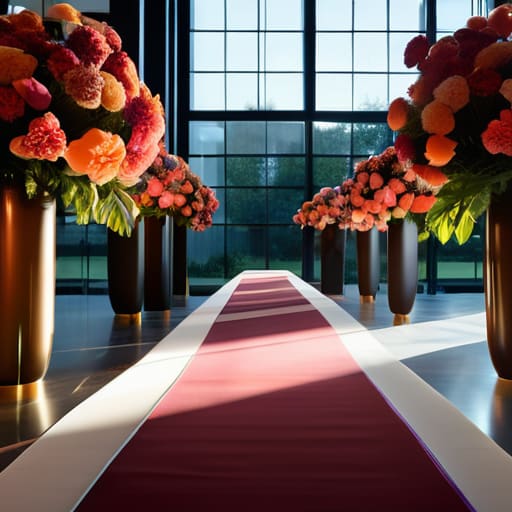
At the end of the day, styling isn’t just about picking a palette that looks good on a mood board; it’s about managing the physical reality of the room. You have to account for the floor space the catering team needs to move without tripping over a silk runner, the way a massive floral installation might accidentally create a bottleneck near the bar, and the fact that your lighting needs to work for both the photographer and the person trying to find their fork. If you ignore the logistical footprint of your decor, you aren’t designing an atmosphere—you’re designing a series of small, expensive headaches that will inevitably show up during the first hour of service.
If you want an event that feels seamless, stop looking at the decorations in isolation and start looking at them as part of a moving, breathing machine. The most successful weddings I’ve managed aren’t the ones with the most expensive centerpieces, but the ones where the design actually facilitates the flow of the evening. When the decor respects the timings, the space, and the people, the guests don’t notice the logistics at all. And that, in my experience, is the highest compliment a design can receive.
Frequently Asked Questions
How do I know if my decor choices are going to make the room feel cramped once the guests actually arrive?
Stop looking at the mood board and start looking at the floor plan. If your Pinterest dream involves massive, sprawling floral installations or oversized lounge furniture, you aren’t just buying decor; you’re buying a bottleneck. Take your guest count, add their physical footprint, and then subtract the space your catering staff needs to move a tray without clipping a shoulder. If you can’t walk a straight line from the bar to the dance floor, your decor is a hazard.
At what point does a "statement piece" become a liability for the catering staff or the service flow?
It becomes a liability the second it forces a server to choose between a tray of hot plates and a collision with a guest. I’ve seen “statement” floral installations so wide they turn a standard service aisle into a slalom course. If your centerpiece requires a waiter to take a side step just to reach the salt, you haven’t designed a table; you’ve designed an obstacle course. Beauty is great, but it shouldn’t cost us the service flow.
How much of my budget should be diverted from the "pretty stuff" into the actual infrastructure like lighting and power?
Look, I’m going to be the one to tell you what the Pinterest boards won’t: if your lighting is an afterthought, your “dreamy” evening reception will look like a poorly lit car park. I generally tell clients to shave 15% off the floral budget and move it straight into power and ambient lighting. You can fix a slightly smaller centerpiece, but you can’t fix a blown fuse or a room that feels cold and clinical because you forgot the uplighters.