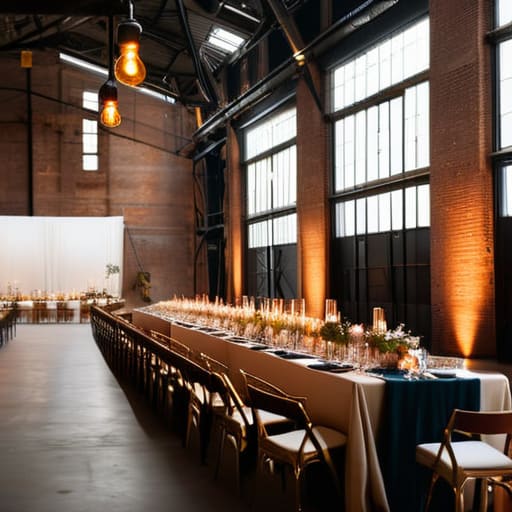
I once sat across from a couple who were absolutely convinced they’d been cheated because their final invoice was five hundred pounds higher than their projected catering costs. They hadn’t been cheated; they just didn’t understand how minimum spend works. They’d spent months obsessing over the exact shade of sage for the napkins, but they hadn’t bothered to calculate if their guest list—thirty-two people, most of whom drink nothing but tap water—could actually hit the venue’s baseline. A minimum spend isn’t a penalty or a hidden fee designed to bleed you dry; it is simply the mathematical floor that keeps the lights on and the staff paid.
I’m not here to sell you on pretty linens or tell you that “everything happens for a reason.” I’ve spent eighteen years watching the math fail in real-time, usually right around the time the bar service starts to lag. In this guide, I’m going to strip away the industry jargon and show you the actual mechanics of the contract. We’re going to look at how to leverage that spend so you aren’t paying for air, and how to ensure your budget covers the things that actually matter before the licence ends at midnight.
Table of Contents
Food and Beverage Minimums Explained Beyond the Plate

When you see “food and beverage minimums explained” in a brochure, don’t mistake it for a menu price. It’s a baseline. Think of it as the venue’s way of ensuring the lights stay on and the staff gets paid, regardless of whether your guests are champagne connoisseurs or water-only drinkers. If your contract says you have a £5,000 minimum, the venue doesn’t care if that comes from a three-course seated dinner or a heavy canapé spread; they just care that the number is hit. The danger arises when you try to hit that number by over-ordering expensive spirits just to avoid a shortfall fee. That is bad math, and it’s how you end up with a massive bill for booze nobody actually wanted.
I’ve seen too many planners get caught in the trap of minimum spend vs rental fees, assuming the venue fee covers everything. It rarely does. You might pay a premium to secure the space, but the food and drink requirement sits on top like a second layer of tax. If you fall short, you aren’t just “not getting a discount”—you are usually paying a penalty fee that costs more than the food itself. Watch your margins closely.
Minimum Spend vs Rental Fees the Real Cost of Space
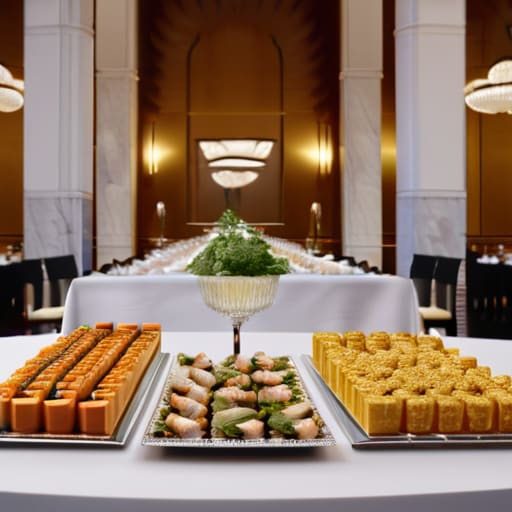
Here is the breakdown most planners miss: the difference between paying for the walls and paying for what happens inside them. When you look at minimum spend vs rental fees, you’re looking at two entirely different financial animals. A rental fee is a flat, “keep the lights on” cost—it’s the price of the floor, the roof, and my staff’s time. It’s predictable. A minimum spend, however, is a performance requirement. It’s the venue saying, “We’ve reserved this room for you, but we need you to hit this number in sales to make the date worth our while.”
The danger zone is when you treat the minimum spend as a “fee” you can just pay and forget. If you haven’t properly assessed your guest list, you might find yourself in a corner where you’re forced to buy expensive bottles of champagne just to hit a threshold, rather than what people actually want to drink. I’ve seen couples realize too late that they’re negotiating event spending minimums without actually knowing if their guests are heavy drinkers or tea-and-biscuits types. If you don’t bridge that gap early, you aren’t hosting a party; you’re just fulfilling a contract.
Five Ways to Stop Your Minimum Spend From Becoming a Sunk Cost
- Audit your guest list against the math, not the mood. If you have 80 people but a minimum spend that requires 120 to hit, you aren’t “saving money” by having a smaller wedding—you are just paying for 40 ghost meals that will never be eaten.
- Negotiate the “What Counts” clause before you sign anything. I’ve seen too many couples hit their minimum only to realize the venue doesn’t count decor, AV hire, or corkage fees toward the total. If it’s not explicitly listed as a qualifying credit, it’s just extra money out of your pocket.
- Front-load the quality to avoid the “filler” trap. If you realize halfway through the planning that you’re going to blow past your minimum anyway, don’t bother adding more cheap appetizers. Upgrade the wine list or the steak option. It’s better to spend that money on something people actually enjoy than to let it vanish into a mountain of mediocre bubbly.
- Watch the clock and the bar tab. A minimum spend is a moving target. If you have a strict licence end at midnight, you need to know if your spend is calculated on orders placed or orders served. There is nothing worse than a guest trying to order a premium cocktail at 11:55 PM only to be told the bar is closing, leaving you with a deficit you can’t fix.
- Use the minimum as leverage for upgrades, not just a baseline. If you are comfortably on track to exceed the minimum by twenty percent, don’t just sit there. Go back to the manager and say, “We’re going to hit this easily; let’s talk about adding a late-night snack station or a better brand of gin to the bar.” Make the venue work for the extra margin.
The Bottom Line
At the end of the day, navigating minimum spends is about stripping away the fluff and looking at the raw numbers. You have to account for the distinction between a flat rental fee and a beverage commitment, understand that your food choices directly impact that bottom line, and—most importantly—realize that the math has to work for your guest count. If you try to squeeze a hundred people into a room designed for a minimum spend meant for two hundred, you aren’t saving money; you’re just buying a logistical headache that will haunt you when the bar runs dry at 11:00 PM. Don’t let a shiny contract blind you to the fact that every pound spent on a premium gin selection is a pound you aren’t spending on the lighting or the sound system.
If you get the math right, the rest of the event has room to breathe. My advice? Stop looking at the minimum spend as a barrier and start seeing it as a blueprint for your hospitality. When you plan with the reality of the venue’s requirements in mind, you aren’t just meeting a contract; you are ensuring that when the doors open and the first round of drinks hits the tables, the momentum doesn’t stall. A well-calculated budget is the invisible scaffolding that holds up a perfect night. Plan the logistics with precision, and I promise you, the magic will take care of itself.
Frequently Asked Questions
What happens if we don't actually hit the minimum spend—do we just lose the money, or is there a way to pivot that budget into something else?
Look, you aren’t just throwing money into a black hole, but you aren’t getting a refund check either. If you’re short on the bar tab, don’t sit there staring at a half-empty glass. Ask your manager to pivot that remaining balance into upgrades: better wine, a late-night snack station, or even extra hours on the AV. If you don’t use it, you’re essentially paying for a ghost to attend your party. Use it.
Does the minimum spend include things like service charges, taxes, and corkage, or is that all extra on top of the base number?
Here’s the thing: if you assume the minimum spend is your final number, you’re going to have a very awkward conversation with your bank statement on Monday morning. In my experience, the “minimum” usually only covers the raw food and drink. Service charges, VAT, and corkage are almost always the extras that stack on top. Always ask, “Is this number inclusive of everything, or is it just the starting line?” Don’t get caught short.
If we change our guest count halfway through the planning process, how does that shift the math on the minimum spend?
Here’s the thing: the minimum spend is a fixed target, but your guest count is a moving one. If your numbers drop, that target doesn’t budge. Suddenly, you’re tasked with hitting a £5,000 spend with twenty fewer people, which means you’re either upgrading the wine to the expensive stuff or paying for empty chairs. If the count goes up, you’re safer, but watch your per-head math—you don’t want to accidentally outrun your budget before the bar even opens.