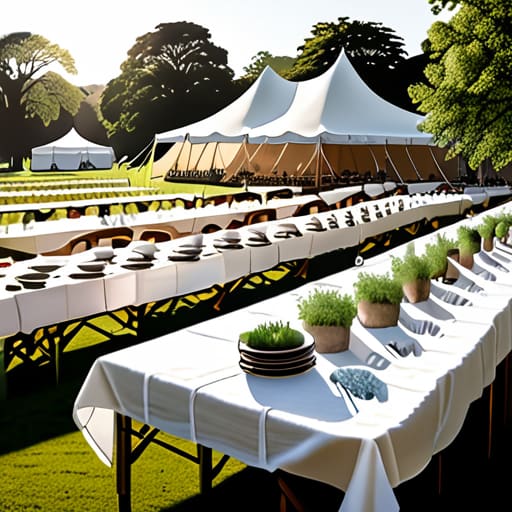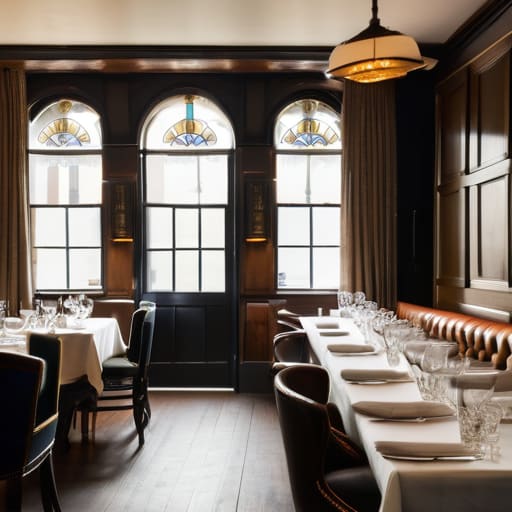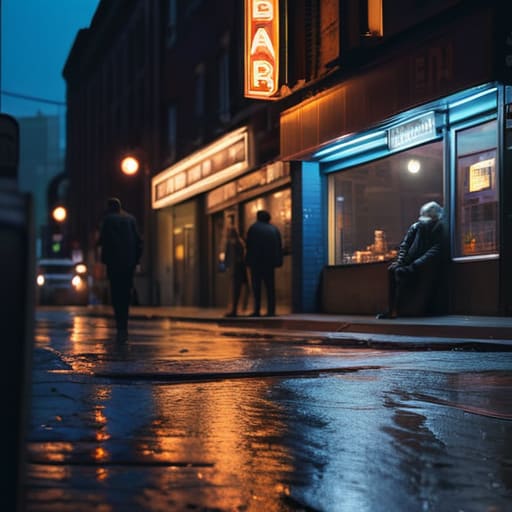
I was standing by the service corridor last Saturday, watching a groom try to convince a DJ to play “one more song” while the clock ticked toward 12:05 AM. The DJ was staring at me with that look—the one that says he knows the local council doesn’t care about a sentimental slow dance. This is the reality most wedding planners won’t tell you: a midnight curfew isn’t a suggestion or a flexible guideline; it is an unmovable wall. If you don’t understand how curfews affect the end of the night, you aren’t planning a celebration, you’re just scheduling a collision between your guest list and the law.
I’m not here to talk about floral arrangements or the perfect shade of champagne gold. I’m here to talk about the logistics that actually matter when the lights come up. I’m going to show you how to work backward from that hard stop so you aren’t left with a room full of confused relatives and a bar staff who are legally forbidden from pouring another drop. We’re going to strip away the fluff and focus on the real-world timings you need to keep your event from falling apart in the final hour.
Table of Contents
The Unmovable Wall of Urban Noise Regulations
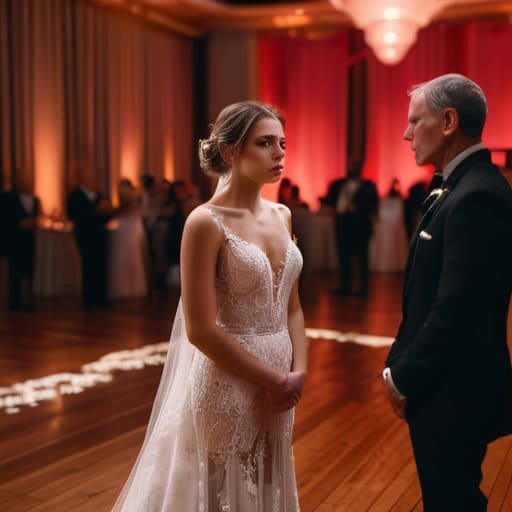
Here is the reality that wedding planners won’t tell you: the council doesn’t care how much you paid for the premium champagne package. When we talk about urban noise regulations, we aren’t just discussing a polite request to turn the bass down; we are talking about a legal ceiling that descends on your party whether the cake has been cut or not. I’ve stood in the middle of a dance floor at 11:45 PM, watching a bride’s face fall because the decibel meter is creeping into the red. It is a clinical, mathematical limit that turns a celebration into a countdown.
This isn’t just about being “good neighbors,” either. It’s a complex tug-of-war between community safety vs freedom that dictates the very rhythm of our city. When the noise limit hits, the vibe doesn’t just dip—it breaks. You can try to pivot to a “low-key lounge” feel, but once the music stops, the momentum dies. Suddenly, you aren’t managing a party anymore; you’re managing a crowd of people looking at their watches and wondering if they can catch the last train.
When Late Night Social Activity Hits a Dead End

There is a specific, frantic energy that takes over a room about forty-five minutes before the lights go up. It’s the sound of people realizing that the late night social activity they’ve been enjoying is about to hit a brick wall. You see it in the way the conversation shifts from deep discussions to that awkward, loud, forced joviality that usually precedes a mass exodus. It isn’t just about the music stopping; it’s the sudden, jarring realization that the party has reached its expiration date.
This is where the logistics get messy. When the music cuts, you aren’t just managing a room; you’re managing a crowd that is suddenly unmoored. If your venue is in a central hub, you’re racing against public transport schedules that don’t care if your keynote speaker is mid-sentence or if the bride is still on the dance floor. I’ve seen it dozens of times: the sudden surge of a hundred people hitting the pavement at once, looking for Ubers that are already surge-priced and ten minutes away. It’s a chaotic transition that can turn a polished evening into a disorganized scramble in under five minutes.
Five Ways to Stop the Midnight Meltdown
- Work backward from the licence end, not forward from the ceremony. If your licence expires at midnight, your music doesn’t stop at midnight—the noise stops, the lights go up, and the exodus begins. If you want the party to feel like it’s winding down naturally, you need to start the “last orders” dance at least forty-five minutes before that hard wall hits.
- The “Uber Scramble” is real and it is ugly. When a venue goes dark and the music cuts, you don’t get a graceful transition; you get two hundred people simultaneously hitting their phones in the dark. Build a buffer into your timeline for transport, or you’ll spend the last hour of your night managing a bottleneck at the front door instead of enjoying the atmosphere.
- Don’t let the caterer be your biggest scheduling headache. Most people forget that the kitchen staff usually wants to be out the door the moment the last plate is cleared. If your curfew is tight, you need to ensure your food service is timed so the “clean up” doesn’t collide with the “get them out” phase. A kitchen left mid-chaos during a noise complaint is a recipe for a very expensive disaster.
- Budget for the “Post-Party Lull.” If you have a strict curfew, the energy will inevitably dip about an hour before the end. Instead of fighting it, lean into it. Plan for a specific “late-night snack” or a shift in lighting and volume that signals to the guests’ brains that the night is transitioning, rather than just being abruptly terminated by a local council officer.
- Watch your bar staff’s efficiency, not just their speed. A curfew doesn’t just affect the guests; it affects the service. If you haven’t accounted for the time it takes to process final transactions and clear the bar, you’ll find yourself staring at a queue of thirsty people while the clock is ticking toward that unmovable midnight deadline.
The Final Countdown

Look, at the end of the day, you can’t negotiate with a local council or a licensing officer. You can’t charm your way out of a noise complaint once the bass starts rattling the windows of the flat next door. Managing a curfew means accepting that the night has a built-in expiration date. It’s about the unforgiving mathematics of the timeline: if your licence ends at midnight, your music doesn’t just fade out at 11:59; you’re looking at the frantic scramble for Ubers, the bar staff clearing glassware, and the sudden, jarring silence that follows. If you don’t build those buffer zones into your schedule, you aren’t planning a party; you’re planning a logistical collision with reality.
But here is the secret that the wedding planners won’t tell you: a hard stop doesn’t have to ruin the magic. In fact, some of the best nights I’ve managed were the ones where the deadline forced everyone to stop lingering and start actually celebrating. When people know the clock is ticking, they stop checking their phones and start engaging with the person across the table. Don’t fight the clock; work with it. If you plan for the exit as carefully as you plan for the entrance, you’ll find that a well-timed end is much better than a messy, drawn-out goodbye.
Frequently Asked Questions
If the music has to stop at midnight, can we still keep the bar open for another hour to wind things down?
Technically? Maybe. Practically? It’s a nightmare. If your licence says the music stops at midnight, that’s the signal for the energy to drop. Trying to keep a bar buzzing for an extra hour after the DJ has packed up is like trying to keep a fire going with wet wood. You’ll end up with a room full of people shouting over nothing, staring at a silent dancefloor, and wondering why the party died. Don’t do it. Plan the wind-down into the music itself.
How much of a buffer should we actually build into the schedule to make sure the last dance doesn't feel like a police raid?
You need a forty-five-minute buffer, minimum. If your licence ends at midnight, your music needs to be dead by 11:15. You have to account for the “one last song” plea, the inevitable drunken stumble toward the exit, and the logistical nightmare of getting two hundred people to find their coats simultaneously. If you aim for the hard stop, you’ve already lost. Plan for the exit, not the dance floor.
If we're planning an outdoor reception, does the curfew change or does the noise limit kick in even earlier?
If you’re moving the party outside, you’re not just changing the scenery; you’re changing the rules. The curfew doesn’t move, but the noise limits? They tighten like a vice. Most venues have a “soft” indoor limit and a “hard” outdoor one that kicks in much earlier to keep the neighbors from calling the council. Plan for the outdoor noise limit to be your new reality—it’s the real ceiling, not the licence end.