I once stood in the middle of a beautiful, sun-drenched meadow at a high-end wedding, watching a frantic caterer try to plug a commercial induction hob into a single, flimsy extension cord stretched from a nearby farmhouse. The bride was looking at the wildflowers, but I was looking at the imminent electrical fire and the fact that they had zero prep space for the actual food. Everyone talks about the aesthetic of outdoor weddings, but nobody wants to discuss the gritty reality of how kitchens work at off site events. If you think a beautiful location magically provides power, running water, or a place to store a tray of lukewarm risotto, you aren’t planning a party; you’re planning a disaster.
I’m not here to talk to you about linen textures or the perfect shade of sage green. I’m here to pull back the curtain on the mechanical chaos that happens behind the marquee. Over the next few minutes, I’m going to walk you through the actual logistics—the power requirements, the waste management, and the spatial math—that determine whether your guests eat a five-star meal or a cold, sad plate of disappointment. We’re going to focus on the invisible infrastructure that actually makes an event happen.
Table of Contents
Mobile Catering Equipment Setup Building a Fortress From Scratch
When you’re setting up a kitchen in a field or a marquee, you aren’t just “arranging” gear; you are building a fortress from scratch. Most people see a beautiful buffet line and think about the garnish, but I’m looking at the mobile catering equipment setup and wondering if the chef has enough clearance to actually move without knocking over a tray of champagne. You need a workflow that survives the rush. If your prep station is ten feet away from your finishing station, you’ve already lost the battle against the clock, and by the time the first course hits the table, you’ll be forty minutes behind the licence end.
Space is your most expensive commodity. You have to account for the physical footprint of every single burner, fridge, and warming cabinet before a single crate is even unloaded. I’ve seen weddings fall apart because someone forgot the portable kitchen utility requirements, like where the dirty wash-up is actually going to live once the plates start piling up. If you haven’t mapped out a dedicated zone for sanitation and waste, your “effortless” dinner is going to end in a frantic, unhygienic scramble.
Catering Logistics for Remote Locations the Battle Against Distance
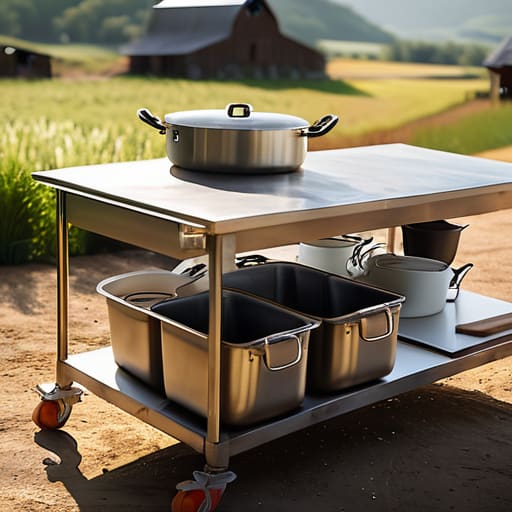
When people talk about catering logistics for remote locations, they usually focus on the drive time. They think about the van getting stuck on a narrow lane or the driver losing their GPS signal. That’s part of it, sure, but the real battle begins when the wheels stop turning. You aren’t just moving food; you are moving an entire ecosystem that requires stability. If you are setting up in a field or a converted barn, you have to account for the fact that nature doesn’t care about your menu. Wind, uneven ground, and temperature swings are the silent killers of a smooth service.
The most overlooked aspect is the sheer distance between your prep station and your waste disposal. You can have the most sophisticated mobile catering equipment setup in the world, but if you haven’t planned for how the greywater leaves the site or how the empty crates get back to the van, you’re going to be left with a mess that no amount of “rustic charm” can hide. Logistics is about the exit strategy as much as the entrance. You need to map out the flow of dirty dishes and refuse long before the first plate hits the table.
The Five Pillars of Not Serving Raw Food to Your Guests
- The Power Audit: Don’t trust a landlord’s word that there’s “plenty of juice.” If you’re running three induction hobs, a coffee machine, and a warming cabinet on one circuit, you aren’t hosting a dinner; you’re hosting a very expensive fuse-blowing demonstration. I’ve seen more weddings derailed by a tripped breaker than by a bad florist.
- The Water Reality Check: “Access to water” is a vague term that means nothing when you’re elbow-deep in prep. You need to know if it’s a tap ten yards away or a garden hose that takes five minutes to fill a pot. If you don’t have a dedicated, high-flow water source, your kitchen staff will spend more time walking than cooking.
- The Waste Management Trap: People talk about the food coming in, but nobody talks about the filth going out. An off-site kitchen generates an incredible amount of organic waste and packaging. If you haven’t mapped out a discreet, hygienic, and frequent removal route, your “elegant” event will start to smell like a bin store by the main course.
- The Workflow Geometry: You might have the menu, but do you have the square footage? A chef needs a landing zone, a prep zone, and a plating zone. If you cram them into a corner designed for storage, they’ll be tripping over each other, plates will be dropping, and your service timing will drift into the late hours—and we both know the licence end doesn’t care about your delays.
- The Temperature Buffer: In a controlled kitchen, the environment is a constant. Off-site, you are at the mercy of the elements. If you’re outside, the wind is stealing your heat; if you’re in a marquee, the humidity is killing your pastry. You have to plan for the ambient temperature, not just the oven setting, or your food will arrive lukewarm and sad.
The Final Countdown
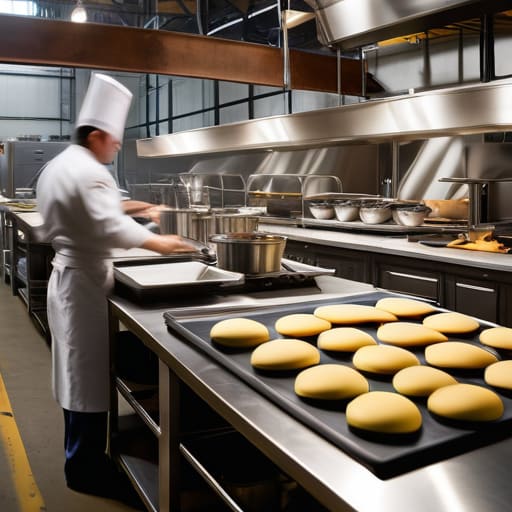
At the end of the day, an off-site kitchen isn’t just a collection of stoves and prep tables; it is a high-stakes ecosystem that lives or dies by your foresight. You can have the most talented chef in the county, but if they are fighting for a single power outlet or tripping over a misplaced crate of glassware, the menu doesn’t matter. You have to account for the power draw, the physical footprint of the prep area, and the inevitable logistical friction that occurs when you move a professional operation into an amateur space. If you’ve mapped out your access routes, secured your utility requirements, and built in a buffer for the chaos, you’ve already won half the battle.
People will remember the meal, but they will feel the rhythm of the event. When the kitchen is running like a well-oiled machine behind the scenes, the guests experience something magical: seamlessness. They don’t see the heavy lifting, the frantic timing against the licence end, or the sweat of the crew; they just see a dinner that arrives hot and a service that flows without a hitch. My advice? Plan for the worst-case scenario so you can deliver the best-case reality. Because when the logistics are invisible, that is when the magic actually happens.
Frequently Asked Questions
What happens to the service if the generator fails or the power draw from the ovens trips the main circuit mid-way through the main course?
That is the moment the “effortless” wedding turns into a crisis. If the power trips mid-service, you aren’t just looking at cold food; you’re looking at a room full of hungry, increasingly irritable people and a ticking clock toward the licence end. My rule? Never trust a single source. If you’re off-site, you need a redundant power plan and a caterer who keeps hot boxes fueled by gas, not just plugs.
How do you manage food safety and temperature control when you don't have a walk-in fridge and the nearest ice delivery is forty minutes away?
You don’t “manage” it; you engineer it. If you’re relying on a single bag of ice from a petrol station forty minutes away, you’ve already lost. I’ve seen beautiful spreads turn into expensive food poisoning because someone thought a lukewarm marquee was “fine for an hour.” You need dedicated, high-spec thermal transit boxes and a strict, timed rotation. If the temperature isn’t logged every thirty minutes, you aren’t catering; you’re gambling with your reputation.
How much actual floor space do I need to allocate for a professional crew to move without tripping over the servers or running into the guests?
You’re looking for a “golden corridor,” and you won’t find it in a floor plan. If you’re squeezing your service staff into a tight gap between the buffet and the guest tables, you’ve already lost. You need a minimum of 1.5 metres for a single-file service lane, but for a professional crew to actually move without performing a clumsy dance around your auntie, aim for 2 metres. Anything less and you’re just waiting for a tray of red wine to meet a white silk dress.