I once watched a bride weep—not because of the vows, but because the “rustic charm” of her dream barn meant her guests were currently wading through six inches of mud to reach the bar. Everyone spends months obsessing over the Pinterest boards and the dried eucalyptus, but nobody actually asks how barn and rural venues work when the sun goes down and the power grid starts to groan. You can have the most exquisite floral installation in the county, but if your caterer is fighting a losing battle with a single 13-amp socket and a temperamental generator, that dream is going to fizzle out before the first course is even served.
I’m not here to sell you on the magic of the countryside; I’ve seen enough behind-the-scenes chaos to know that magic is just well-managed logistics. What I am going to give you is the unvarnished truth about the stuff the brochures leave out: the access routes, the drainage, the power loads, and the unforgiving reality of a licence that ends at midnight regardless of how good the party is. We’re going to look at the grit beneath the wildflowers so your event actually functions as well as it looks.
Table of Contents
The Unseen Reality of Countryside Venue Infrastructure
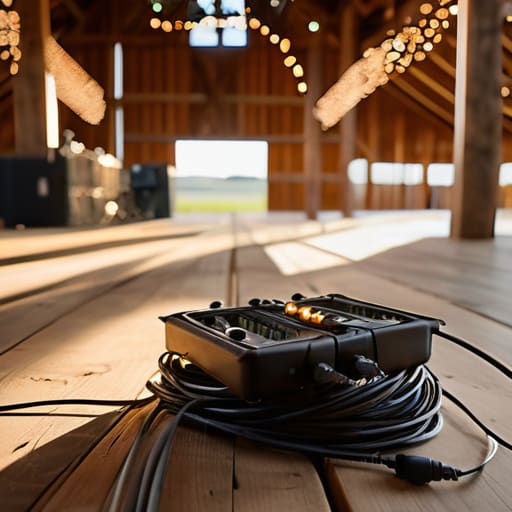
You see a photo of a refurbished timber barn bathed in golden hour light, and you think “dreamy.” I see that same barn and immediately start calculating the amperage. Most people don’t realize that countryside venue infrastructure is often held together by hope and a very old fuse box. If you’ve got a professional DJ, a high-end caterer with warming ovens, and a mobile bar all plugging into the same circuit, you aren’t just planning a party—you’re playing a high-stakes game of electrical roulette. One heavy-duty coffee machine turning on during the first dance and suddenly the music dies, the lights go out, and you’re left in a dark room with eighty hungry guests.
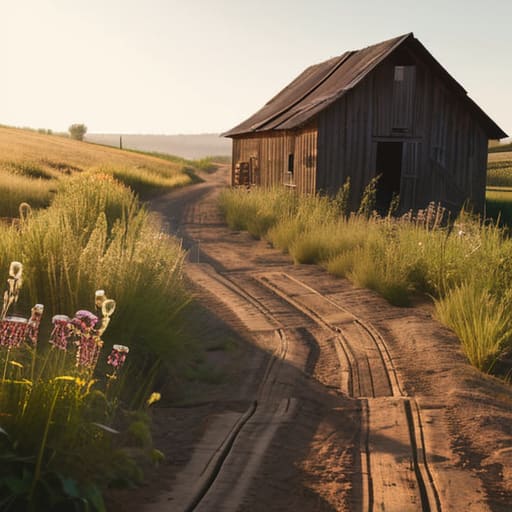
Then there’s the matter of the ground itself. Rural event site accessibility is rarely as easy as a gravel driveway. You might have a fleet of luxury cars arriving, but if it’s been raining for three days, that “charming” farm track becomes a mud bath that will swallow a low-clearance sedan whole. I’ve seen weddings stall because the shuttle bus couldn’t navigate a slope, or because the caterer’s van got stuck halfway to the service entrance. You can have the most beautiful floral arrangements in the world, but they don’t mean much if your guests are stuck in the car park.
Managing Remote Event Locations and Power Realities
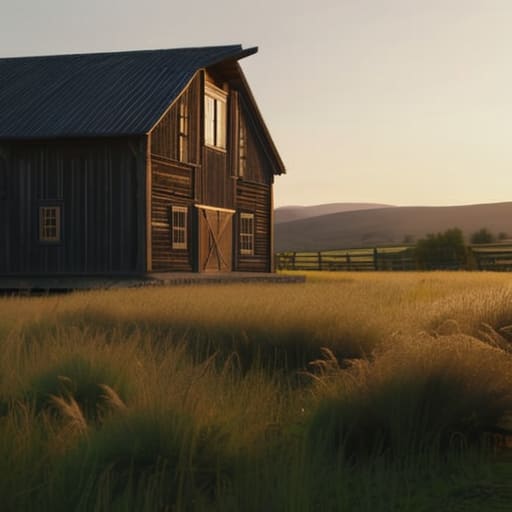
Let’s talk about the “remote” part of a remote location. When you’re looking at a gorgeous, isolated farmhouse, you aren’t just booking a view; you are essentially managing a small, temporary village. The biggest mistake people make is assuming that because a place looks established, the infrastructure is robust. It rarely is. You might have a beautiful stone barn, but if the local grid is shared with three other farms, you are one high-wattage coffee machine away from a total blackout. When managing remote event locations, you have to stop thinking about aesthetics and start thinking about load capacity. If your caterer needs three ovens and your DJ needs a sub-woofer, you better have a silent generator on standby, or you’ll be explaining to a very disappointed bride why the music died during the first dance.
Then there is the matter of rural event site accessibility. It sounds fancy until you’re watching a heavy-duty catering van struggle to navigate a narrow, muddy track while three guests in rented heels are trying to walk the same path. You cannot plan a successful day without looking at the ground. If the access route is a single-track lane that floods every time a cloud looks at it, your rustic wedding venue logistics just doubled in complexity. You need to account for the delivery windows, the parking footprint, and exactly how much space a service vehicle actually needs to turn around without getting stuck in a hedge.
The Logistics of the 'Dreamy' Rural Setting
- Stop planning your arrival time based on Google Maps. In a rural setting, a single tractor, a narrow lane, or a muddy patch of ground can turn a twenty-minute drive into a forty-minute standoff. If your caterer is stuck behind a sheep in a single-track lane, your dinner service is already dead in the water.
- The “Golden Hour” photo trap. Everyone wants those sunset shots, but in a barn, the sun doesn’t just set; it disappears behind a treeline or a hill, and suddenly you’re in pitch blackness. If you aren’t planning for artificial lighting or a hard stop on photography, you’ll spend your reception squinting at shadows.
- Footwear is a logistical variable, not a fashion choice. I’ve seen beautiful weddings ruined because the transition from the ceremony to the reception involved walking across a lawn that turned into a marsh within ten minutes of a light drizzle. If you don’t provide a gravel path or a solid surface, your guests will be hobbling by the first course.
- The “Quiet” misconception. People book rural venues because they want peace, but they forget that sound travels differently in open fields and echoes differently in stone barns. You need to check the acoustic reality and the local noise ordinances early; there is nothing quite as awkward as a DJ having to turn the bass down to zero at 11:00 PM because the nearest farmhouse is three hundred yards away.
- Waste management is not magic. In a city venue, the bins get emptied and the problem vanishes. In a rural venue, you are responsible for every single beer bottle, napkin, and leftover scrap. If you haven’t budgeted for a dedicated waste removal plan, you’ll end up with a mountain of rubbish sitting next to your beautiful floral arrangements by midnight.
The Reality Check
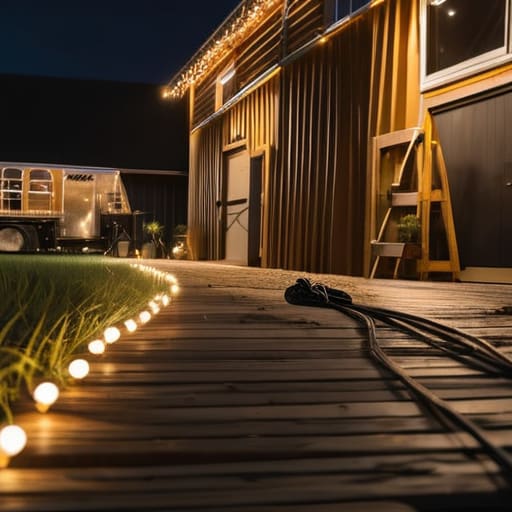
At the end of the day, a beautiful barn is just a very expensive shell until you layer the logistics on top of it. You can spend months obsessing over the shade of sage in your napkins, but if you haven’t accounted for the limited power draw, the lack of a solid access road for the catering van, or the fact that your guests will be walking through mud to get to the toilets, the aesthetic won’t save you. It comes down to the invisible math: the distance from the kitchen to the table, the number of generators required to keep the DJ from tripping a breaker, and the hard stop of the licence end that doesn’t care how much fun everyone is having. Plan for the friction, because that is where the actual event happens.
If you do the heavy lifting early—if you map the floor plan, test the circuits, and respect the limitations of the landscape—something almost magical happens. The logistics become so seamless that they disappear entirely. When the power stays on, the food arrives hot, and the flow of people feels natural, your guests won’t notice the hard work that went into it; they’ll just think the evening was effortless. That is the goal. Build a rock-solid foundation of practicalities, and you’ll create the space for the actual celebration to breathe.
Frequently Asked Questions
How much extra buffer time should we actually build into the schedule for guest arrival if the venue is down a narrow country lane?
If you’re down a single-track lane, you don’t just need a buffer; you need a contingency plan. I tell my couples to bake in a minimum of forty-five minutes for guest arrival. Between the inevitable wrong turns, the “scenic” detours, and the single car parked halfway up the drive blocking everyone else, that narrow lane becomes a bottleneck. If your ceremony starts at 2:00 PM, your guests better be arriving by 1:15 PM.
If the venue doesn't have an on-site kitchen, what's the realistic impact on the food temperature and service speed for a hundred guests?
If there’s no kitchen, you aren’t just “catering”; you’re running a military operation. For a hundred people, the “impact” is the difference between a hot meal and a lukewarm disappointment. Without on-site prep space, your caterer is fighting a war against thermal decay. They’ll need massive holding cabinets and a perfect timing sequence. If the service isn’t choreographed to the minute, the last table will be eating cold gravy while the first are already asking for the bill.
What happens to the timeline if the weather turns and we have to move everything from the lawn to the marquee at the last minute?
The timeline doesn’t just slip; it collapses. If you’re pivoting from lawn to marquee forty minutes before the ceremony, you aren’t just “moving guests”—you’re fighting a logistical war. You lose your buffer. The photographer gets frustrated because the lighting is gone, the caterer is scrambling to move hot plates through a muddy transition, and your “relaxed” drinks reception becomes a frantic dash. If you don’t have a Plan B that is pre-set and rehearsed, expect your licence end to feel very, very close.