If you spend too much time scrolling through wedding blogs, you’ll start to believe that a successful celebration is built on the perfect shade of dusty rose or the right way to drape silk over a chiavari chair. Let me tell you something: you can have the most expensive floral installation in the county, but if your caterer doesn’t have a clear path to the service door, your guests will be staring at empty plates while the music plays to an empty dancefloor. Most people will try to sell you a “complete guide to planning an event” that focuses on the aesthetic, but they completely ignore the fact that an event is just a logistics problem wearing a nice outfit.
I’m not here to talk about colour palettes or centerpiece trends. I’ve spent eighteen years managing venues, handling noise complaints, and watching the clock tick down toward the licence end, and I know where the real cracks appear. This is my own version of a complete guide to planning an event, stripped of the fluff and focused on the stuff that actually matters: power requirements, vendor access, and the precise timing of a room turnaround. I’m going to show you how to plan the parts that nobody photographs, so that when the doors finally open, everything actually works.
Table of Contents
Event Venue Selection and the Physics of Space
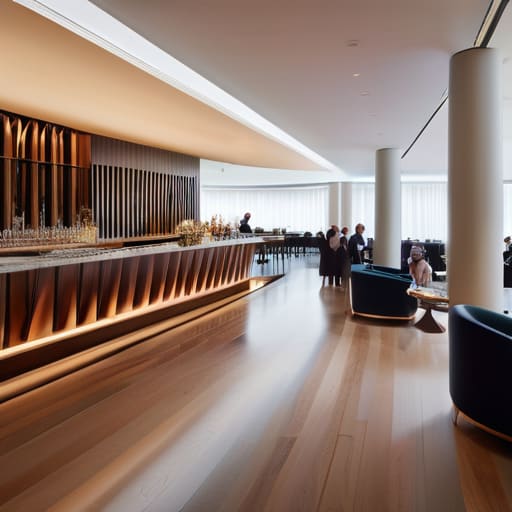
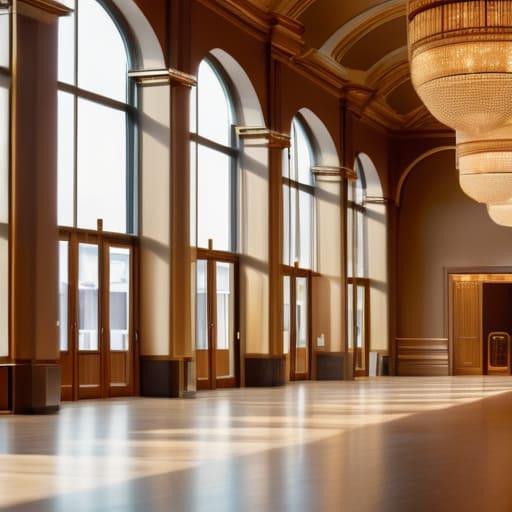
When you start your event venue selection, don’t just look at the mood lighting or the way the sunlight hits the floorboards. Look at the floorboards themselves—and what’s underneath them. I’ve seen a thousand “dream spaces” fall apart because the couple didn’t realize the kitchen was a narrow hallway that couldn’t accommodate a catering team of ten. You need to think about the physics of movement. If your guest list management says you have 150 people, but the bar is tucked into a corner with a single access point, you aren’t hosting a party; you’re hosting a bottleneck.
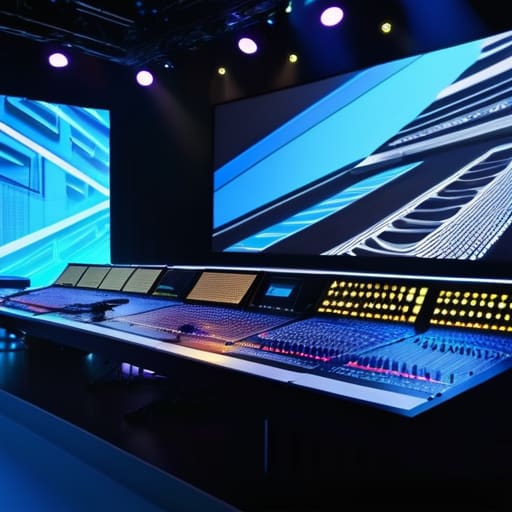
You also need to account for the invisible infrastructure. I’m talking about power loads for the DJ, the proximity of the loading bay to the main hall, and whether the “intimate” dining area actually leaves enough room for a server to navigate without tripping over a chair. Effective event logistics coordination starts with measuring the gaps between the pretty things. If you haven’t mapped out the flow of traffic from the ceremony to the drinks reception, you’re just waiting for the moment the energy dies because people are stuck in a human traffic jam.
Event Logistics Coordination Solving the Unseen Friction
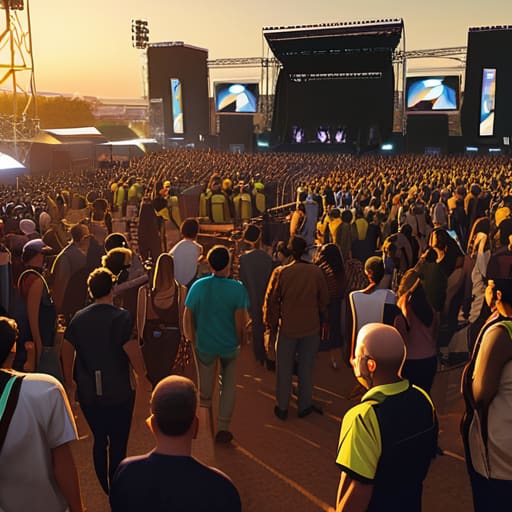
Once you’ve picked the room, you have to deal with the friction. I’ve seen weddings stall because the couple spent six months debating linen textures but forgot to ask if the caterer’s van could actually fit through the service entrance. This is where event logistics coordination becomes less about a pretty spreadsheet and more about preventing a bottleneck. You need to map the movement of people and things. If you have two hundred guests trying to move from a ceremony to a cocktail hour through a single narrow corridor, you aren’t hosting a party; you’re managing a crowd control situation.
Don’t just rely on a generic event management checklist you found on Pinterest. You need to look at the “invisible” transitions. How long does it actually take to clear the plates from a three-course meal before the band can set up? How many power outlets are actually available for the DJ without tripping a breaker? I always tell my clients: plan for the transitions, not the moments. If the gaps between the segments are tight and well-mapped, the event feels seamless. If they aren’t, that’s when the guests start looking at their watches.
The Reality Check: Five Ways to Stop Your Event from Derailing
- Respect the Licence End. I don’t care how good the DJ is or how much the bride wants one last dance; the law doesn’t care about your mood. If your licence ends at midnight, you start your teardown at 11:30. Work backwards from that hard stop, not forwards from the start time, or you’ll find yourself paying overtime penalties that will eat your entire catering budget.
- The “Drink in Hand” Metric. You can have the most stunning floral installations in the world, but if your guests are standing in a stagnant queue for forty minutes before they get a single glass of prosecco, they aren’t “soaking in the atmosphere”—they’re getting cranky. Calculate your bar capacity against your guest list, not your budget. If you have 150 people and one single bar, you’ve already failed the first test.
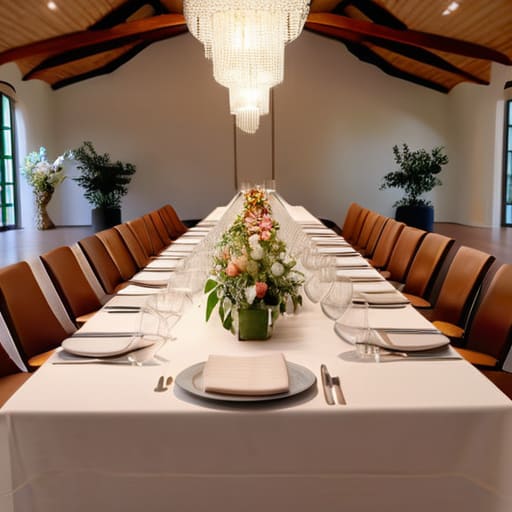
- The Catering Buffer Zone. Everyone talks about the menu, but nobody talks about the floor space. If your caterer tells you they need a staging area for plating, believe them. I’ve seen weddings where the “beautifully minimalist” layout left zero room for a service team to actually move a tray without tripping over a guest’s chair. Give them the three metres they asked for, or prepare for cold risotto.
- Plan for the “Unplanned Speech.” There is always one. It’s usually a cousin who had one too many gins and thinks they’re the next Oscar Wilde. Don’t just build a slot into the schedule; build a buffer. If your speeches run ten minutes over, it ripples through the kitchen, the service, and eventually hits your dessert course like a freight train.
- The Turnaround Tightrope. The gap between the ceremony and the sit-down dinner is where most events lose their momentum. If you’ve scheduled a thirty-minute transition for a room that needs a full furniture reconfiguration, you are playing a dangerous game. People don’t move as fast as your spreadsheet says they will, especially when they’re navigating a cocktail hour. Give yourself a twenty percent time cushion, or prepare to be the one apologizing to a hungry crowd.
The Reality of the Finish Line

At the end of the day, a successful event isn’t won by the shade of the napkins or how perfectly the centerpieces catch the light. It is won in the margins—in the way you accounted for the caterer’s footprint, the way you managed the transition from ceremony to cocktails without a bottleneck, and the way you respected the unmovable deadline of the license end. If you have mapped your space, anticipated the friction points, and prioritized the flow of people over the aesthetics of the room, you have already done more than ninety percent of planners. You haven’t just planned a party; you have engineered an experience that actually works.
When the doors finally open and the music starts, my advice is to stop looking at the logistics and start looking at the people. If the drinks are flowing, the power hasn’t tripped, and the guests aren’t bumping into each other like cattle in a pen, then you have succeeded. The most beautiful events are the ones where the guests never notice the machinery running in the background. When the logistics are invisible, that is when the magic is allowed to happen. So, trust your timings, respect your vendors, and remember: the best-planned events are the ones that feel like they happened by accident.
Frequently Asked Questions
How do I handle the "dead air" between the ceremony ending and the first drink being served without everyone looking bored?
The “dead air” gap is where momentum goes to die. You’ve got two hundred people standing in a foyer, looking at their watches, waiting for a drink that’s stuck behind a slow bartender. Don’t just hope for the best; engineer the flow. If the ceremony ends at 2:00, that first drink needs to be hitting hands by 2:10. Use roaming trays or a pre-poured station. If you wait until they hit the bar, you’ve already lost them.
What’s the realistic way to budget for the hidden costs, like service charges and equipment hire, that never show up on the initial quote?
Stop looking at the bottom line on that initial quote; it’s a fantasy. I’ve seen too many couples treat a venue quote like a final invoice, only to panic when the service charge and equipment hire hit them like a freight train. My rule? Add a 20% “sanity buffer” immediately. If they haven’t quoted for power distribution, linen, or the extra staff needed for a quick turnaround, you’re paying for it later. Budget for the reality, not the brochure.
How do I manage a guest list that’s creeping up when the venue capacity and the catering costs are already hitting a hard limit?
Look, the “plus-one” creep is where the math stops being pretty. You’re hitting a hard ceiling, so stop treating the guest list like a suggestion. You have two levers: the physical limit of the room and the budget. If the venue capacity is fixed, that’s non-negotiable—you can’t squeeze person 201 into a 200-capacity room without a fire marshal breathing down your neck. Trim the list or move venues. If it’s the budget, cut the “B-list” guests now before the caterer sends the final invoice.