
If you spend any time on Pinterest, you’ll be told that a successful event is built on silk ribbons and hand-calligraphed place cards. That is a lie. I’ve spent eighteen years watching people pour their entire life savings into expensive floral installations, only to realize they haven’t left a single penny for the actual cost of running a room. Most of the “expert” advice out there is just a sales pitch in disguise, offering a superficial complete guide to event budgets that ignores the reality of power requirements, staffing ratios, and the inevitable “oops” fund. They show you the dream; I’m here to show you the invoice.
I’m not going to sell you on a lifestyle; I’m going to give you a blueprint for survival. This isn’t a lecture on how to pick pretty colors, but a breakdown of where the money actually goes when the doors open and the clock starts ticking. I will walk you through the logistics that usually stay hidden until they become expensive emergencies. By the time we’re done, you won’t just have a list of prices; you’ll have a realistic understanding of how to fund an event that actually functions without breaking your bank or your spirit.
Table of Contents
Mastering Event Cost Management Strategies Beyond the Decor

Stop looking at the centerpieces and start looking at the floor plan. Most people treat a budget like a shopping list for pretty things, but real event cost management strategies are about managing the friction between what you want and what the building allows. If you’re budgeting for corporate events, for instance, you aren’t just paying for a keynote speaker; you’re paying for the AV technician who has to stay until midnight because the Wi-Fi buckled under the weight of two hundred simultaneous logins.
I’ve seen more budgets collapse because of a lack of contingency planning than because of expensive linens. You need an emergency fund for event planning—and I don’t mean a polite ten percent buffer. I mean a “the caterer’s van broke down and we need a last-minute rental” fund. When I’m running a floor, I’m constantly counting down to the licence end, and if you haven’t accounted for the cost of overtime staff to clear the room before the music has to die, you aren’t managing a budget; you’re just dreaming.
Hidden Event Costs to Avoid Before They Break You
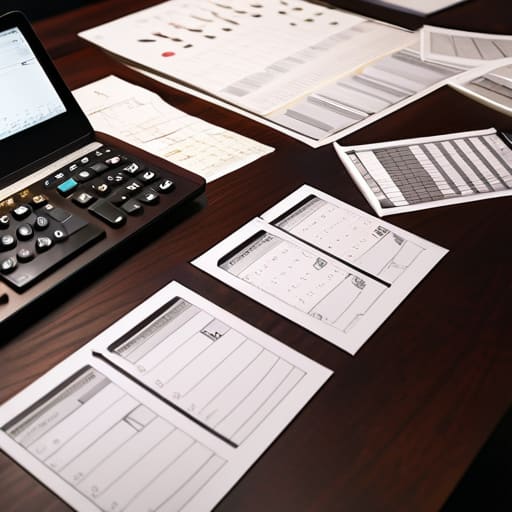
Everyone loves talking about the guest list, but nobody wants to talk about the “small print” expenses that bleed a budget dry by 11:00 PM. I’ve seen it a hundred times: a client spends forty percent of their capital on bespoke stationery, only to realize they haven’t accounted for the service charge, the gratuities, or the sheer cost of extra power drops for a band that needs more than a single socket. These are the hidden event costs to avoid if you want to sleep at night. If you aren’t looking at the logistics of delivery fees, equipment rentals, and staffing surcharges, you aren’t budgeting; you’re just guessing.
Then there is the “what if” factor. I tell every couple and corporate planner I work with: you need an emergency fund for event planning that sits entirely separate from your main pot. It’s not for the fancy centerpieces; it’s for the moment the weather turns, the AV technician needs an extra hour, or the caterer realizes they need a second prep station because the guest count drifted upward. If you don’t build in a ten percent buffer, you aren’t managing an event—you’re just waiting for a crisis to happen.
Five Hard Truths to Keep Your Budget from Spiralling
- Build in a ‘Chaos Contingency’ of at least 15%. I don’t care if your spreadsheet looks perfect; something will go wrong. A vendor will be late, a piece of equipment will fail, or you’ll suddenly realise you need ten more chairs because Uncle Bob brought his entire bridge club. If you spend every penny on the guest list, you’ll be paying for the chaos out of your own pocket.
- Stop obsessing over the centrepieces and start looking at the service ratios. You can have the most expensive peonies in the county, but if you haven’t budgeted enough for enough waitstaff to get drinks to people before the dancing starts, your guests will be grumpy and thirsty. A well-fed, hydrated guest is worth more than a room full of expensive petals.
- Factor in the ‘Invisible Labour’ of setup and teardown. People often budget for the event itself, but forget the cost of the hours required to transform a room. If your caterer needs a four-hour window to prep and a two-hour window to clear, and you’re paying for venue hire by the hour, that’s a massive chunk of your budget that isn’t reflected in the food price.
- Get a hard number on your power and technical requirements. I’ve seen people spend thousands on lighting design only to realize they haven’t budgeted for the extra generator or the technician required to make sure the DJ doesn’t trip a breaker halfway through the first dance. Power is a utility, not an aesthetic, and it costs money to manage.
- Watch the clock against your licence end. If your venue licence ends at midnight, your budget needs to reflect that reality. Don’t plan a high-energy party that requires a slow, expensive wind-down if you only have thirty minutes to clear the room. Timing is money, and trying to squeeze a three-hour celebration into a two-hour window is a logistical nightmare that will cost you in overtime and stress.
The Final Countdown
At the end of the day, a budget isn’t just a spreadsheet; it is your primary defense against a chaotic evening. We have covered the obvious stuff, but remember that the real danger lies in the gaps—the service charges, the extra power requirements, and those unforeseen logistical hiccups that happen when a caterer realizes they don’t have enough room to move. If you spend your entire fund on the aesthetic and leave nothing for the infrastructure, you aren’t planning an event, you’re just decorating a disaster. Keep your eyes on the timing and the access, because once the licence end starts looming, no amount of expensive silk drapery is going to fix a bottleneck at the bar or a delayed meal service.
Look, I know it feels clinical to talk about floor space and contingency funds when you are dreaming of a perfect celebration, but this is how you actually achieve that magic. The most seamless, breathtaking weddings I have ever managed weren’t the ones with the biggest budgets; they were the ones where the logistics were so tightly wound that nobody even noticed them working. When the timing is right and the flow is natural, the guests feel the emotion, not the effort. Plan for the reality of the room, budget for the friction, and then—and only then—can you actually relax and enjoy the party you worked so hard to build.
Frequently Asked Questions
How much of my total budget should I realistically set aside for a "contingency fund" to cover the inevitable last-minute logistical hiccups?
If you’re planning for 10%, you’re already behind. I’ve seen a “small hiccup” turn into a “venue-wide crisis” by 9:00 PM on a Saturday. Set aside 15%, minimum. That extra 5% isn’t for fancy centerpieces; it’s for the emergency electrician, the extra crate of sparkling water when the heat hits, or the last-minute runner because the florist forgot the cake knife. If you don’t have that buffer, you aren’t planning—you’re just hoping.
When calculating costs, how do I account for the difference between what a vendor quotes me and what the final invoice actually looks like after service charges and VAT?
Here’s the thing: a quote is a promise, but an invoice is a reality check. Never, ever budget based on the number at the top of a PDF. I’ve seen enough weddings go sideways because a couple thought they were paying £5,000, only to find out the service charge and VAT pushed them to £6,200. Always ask for the “all-in” figure. If they won’t give it to you, add 25% to every quote manually. Do it now, or you’ll be doing it while staring at a mounting debt mid-reception.
At what point in the planning process should I stop spending on the "aesthetic" elements and start locking in the non-negotiable operational costs like staffing and power?
The moment you’ve picked a date and a venue, you should be looking at the operational costs. I see people spend six months obsessing over the shade of sage for the napkins, only to realize two weeks before the wedding that they haven’t budgeted for the extra two servers needed to clear plates before the licence ends. Lock in your staffing, power, and logistics first. The aesthetic is the outfit; the operations are the skeleton. Without the skeleton, the outfit has nothing to hang on.