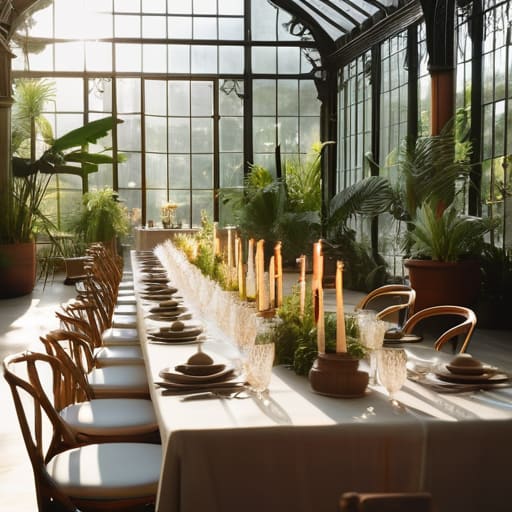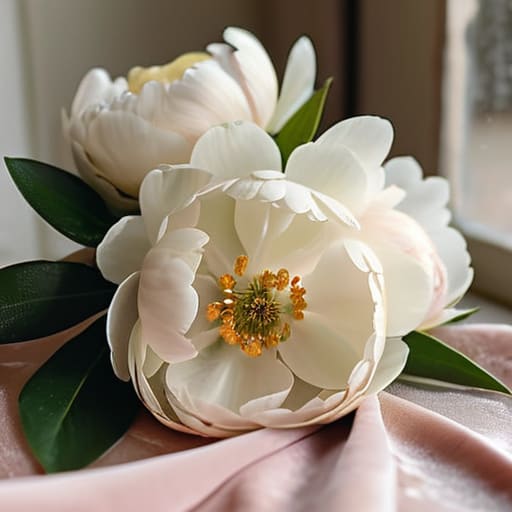
If you spend any time on Pinterest, you’ll think a wedding is just a collection of expensive petals and carefully curated color palettes. But after nine hundred weddings, I can tell you that a “complete guide to wedding flowers” written by a stylist will tell you everything about the aesthetic and absolutely nothing about the logistical nightmare of getting those three-foot-tall installations through a narrow service door at 10:00 AM. I once watched a $5,000 floral arch collapse because the couple hadn’t accounted for the breeze on our terrace, and suddenly, the “dream wedding” looked like a botanical crime scene ten minutes before the ceremony.
I’m not here to talk to you about which shade of blush peony matches your bridesmaid’s silk slip. I’m here to talk about the stuff that actually matters: how much water those centerpieces need so they don’t wilt by the time the speeches start, how to budget so you aren’t bankrupting yourself for something that ends up in a bin by midnight, and how to coordinate deliveries so your florist isn’t fighting the caterer for space in the prep kitchen. This is the reality of floral planning, stripped of the fluff.
Table of Contents
Choosing Wedding Blooms by Month and Seasonal Realities
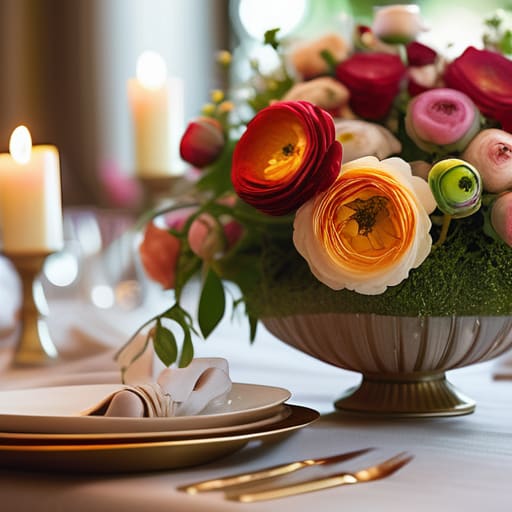
Look, I’m not a botanist, but I have seen enough wilted hydrangeas in July to know that seasonality isn’t just about aesthetics; it’s about survival. When you start choosing wedding blooms by month, you aren’t just picking colors; you are managing a ticking clock against the ambient temperature of the room. If you insist on peonies in the dead of August, you aren’t just paying a premium; you are gambling with a centerpiece that might look like a sad, slumped heap by the time the main course hits the table.
The reality is that your wedding flower color palettes should be dictated by what is actually thriving, not what you saw on a Pinterest board three years ago. If you’re planning a winter wedding, lean into the hardier, structural stems that can withstand a drafty stone chapel. If it’s summer, work with the heat. I’ve seen a perfectly budgeted floral arrangement fall apart because the couple ignored the climate. Don’t let a beautiful vision become a logistical nightmare just because you refused to respect the calendar.
Wedding Flower Color Palettes vs Actual Lighting Constraints
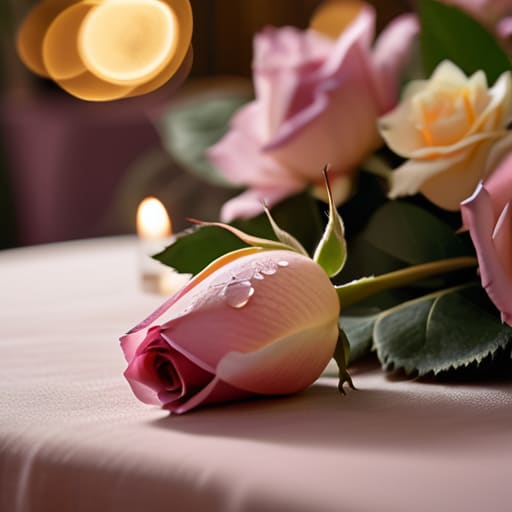
Everyone gets obsessed with the mood board. You spend months pinning the perfect wedding flower color palettes—dusty rose, sage, muted lavender—only to realize your venue has the lighting of a Victorian coal mine. I’ve seen it a hundred times: a couple picks a sophisticated, dark palette for a ballroom, but once the sun goes down and the amber uplighting kicks in, those “moody” deep burgundies just look like black blobs in every single photograph. If you can’t distinguish the flower from the tablecloth, you haven’t planned for the light.
You also need to account for the shift from natural daylight to artificial evening glow. A bright, airy bridal bouquet style might look stunning during a 2:00 PM garden ceremony, but under heavy indoor spotlights, those pale pastels can wash out entirely, leaving your guests looking like they’re attending a funeral rather than a celebration. My advice? Test your colors against the venue’s actual lighting. If you’re working with dim, warm light, you need higher contrast and more saturation to ensure the arrangements actually hold their own against the shadows.
The Logistics of Petals: Five Things Your Florist Won't Tell You
- Stop obsessing over the exact shade of blush and start asking about the weight. If you’re planning a delicate garden wedding but choose heavy, water-saturated installations for your centerpieces, you’re going to end up with a table that’s bowing in the middle or, worse, a guest knocking a five-kilo vase into their soup during the toasts.
- The “Arrival Window” is a non-negotiable reality. You might want the flowers to look “freshly picked” at 4:00 PM, but if your ceremony starts at 3:30 PM and the florist is battling traffic, those blooms are going to be sitting in a hot van. Always build in a two-hour buffer between the final delivery and the first guest walking through the door.
- Check your floor plan for “The Flower Dead Zone.” I’ve seen countless beautiful, expensive floral arches placed exactly where the catering staff needs to pass with a tray of hot plates. If your decor creates a bottleneck for the service team, your “dream aesthetic” is going to cause a service delay that pushes your dinner back by forty minutes.
- Budget for the “Tear Down” as much as the “Set Up.” People spend thousands on the morning-of look and forget that at midnight, when the license ends and everyone is heading for the exits, those flowers need to go somewhere. If you haven’t planned for the removal, you’ll find yourself paying a premium for a “rapid strike” or, worse, leaving a mess that costs you your security deposit.
- Consider the scent-to-space ratio. A massive installation of highly fragrant lilies in a 200-capacity room with limited ventilation isn’t “romantic”—it’s an olfactory assault. If guests can’t smell the food because they’re choking on jasmine, you haven’t planned a wedding; you’ve planned a headache.
The Final Walkthrough
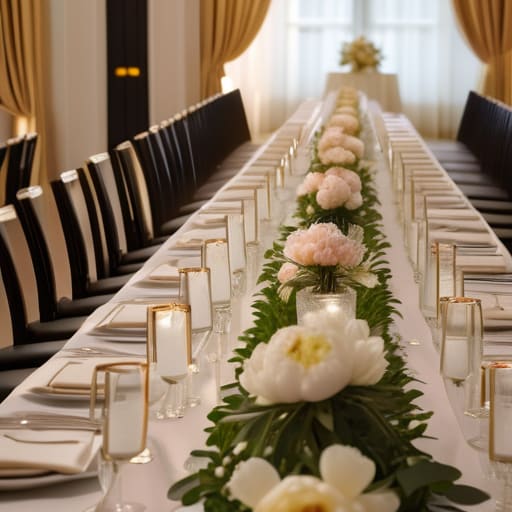
At the end of the day, your flowers are a beautiful component of the evening, but they aren’t the engine that drives the event. We’ve covered the seasonal availability that keeps your budget from bleeding out, and we’ve looked at how those heavy velvet reds might turn into a muddy mess under the venue’s specific amber lighting. Remember: a stunning centerpiece means nothing if it sits in a high-traffic corridor and becomes a tripping hazard for your guests, or if it’s so massive the catering staff can’t navigate around it to get the mains on the table. Treat your floral plan like a logistical blueprint, not just a mood board, and you’ll avoid the frantic, last-minute scrambling that usually happens forty-five minutes before the ceremony starts.
If you get the timings right, the access paths clear, and the lighting accounted for, the flowers will do exactly what they are supposed to do: they will look spectacular. When the guests walk into the room, they shouldn’t be thinking about the delivery window or the hydration levels of the hydrangeas; they should just feel the atmosphere you’ve built. My job is to make sure the lights stay on and the doors stay open until the licence ends, but your job is to create the memory. Plan the hard logistics with discipline so that you can actually enjoy the magic once the first petal hits the table.
Frequently Asked Questions
How much floor space do these massive floral installations actually take up when we’re trying to navigate a room full of guests and catering staff?
Here is the reality: a “statement piece” isn’t just a visual; it’s a physical obstacle. If you’re eyeing a massive floor-standing installation, you aren’t just paying for the blooms—you’re paying for the dead space around them. You need at least a metre of clearance for guest flow and another half-metre for staff to navigate with heavy trays. If your floor plan is tight, those beautiful arrangements will turn your reception into a high-stakes obstacle course.
If we go all-out on the flower budget, does that mean we’re cutting into the logistics budget for things like lighting or transport?
Look, if you’re spending the entire budget on a floral canopy that looks like a botanical garden, you’re effectively deciding that your guests will be eating in the dark. Flowers are beautiful, but they don’t move people through a room or light a buffet. If you go heavy on the blooms, you’re almost certainly cannibalizing the budget for lighting, transport, or even the extra hands needed for a quick turnaround. Don’t trade visibility for petals.
What happens to the flowers if the ceremony runs twenty minutes late and the reception setup is delayed?
If the ceremony runs twenty minutes late, your flowers don’t care about the sentiment; they care about the temperature. If those centerpieces are sitting in a hot conservatory waiting for a delayed reception, they’re wilting before the first course hits the table. A delay is a countdown against the licence end. You need a team that can pivot—moving arrangements from the ceremony aisle to the tables in one frantic, efficient sweep before the guests realize the schedule is bleeding.