I’ve sat through enough “dream wedding” consultations to know that most people approach a venue walkthrough like they’re window shopping for a new sofa. They walk in, fall in love with the way the light hits the drapery, and spend forty minutes discussing whether the napkins should be linen or silk. But if you’re looking for a complete guide to site visits that focuses on color palettes and mood boards, you’ve come to the wrong place. I once watched a couple spend their entire budget on a stunning marquee, only to realize halfway through the reception that the generator was positioned so close to the dance floor that the hum drowned out the first dance. They didn’t need better flowers; they needed to know where the power cables were going.
Forget the fluff and the staged photography. I’m going to give you the version of this guide that actually keeps an event from falling apart. We aren’t going to talk about aesthetics; we are going to talk about load-in access, service corridors, and exactly how many minutes you have between the ceremony end and the first drink being poured. I’ll show you how to look past the decor to find the logistical cracks that usually turn a seamless evening into a scheduling nightmare.
Table of Contents
Pre Visit Preparation Steps for the Unforgiving Reality

Don’t just turn up and hope for the best. If you roll up to a venue without a plan, you aren’t conducting a site visit; you’re just taking an expensive, aimless stroll. Before you even put the car in gear, you need to establish your own internal site inspection protocols. I’ve seen too many planners arrive with nothing but a notebook and a dream, only to realize halfway through the tour that they forgot to ask about the loading bay dimensions or the WiFi strength in the bridal suite.
You need a checklist that prioritizes the invisible stuff. I’m talking about a dedicated folder for your on-site assessment documentation—things like floor plans, power socket maps, and a list of every single access point for the delivery vans. If you don’t know where the service entrance is before you arrive, you’ve already lost the first battle. Map out your questions around the “unsexy” variables: the distance from the kitchen to the furthest table, the number of restrooms relative to guest count, and the exact location of the breaker box. If you haven’t prepared the questions, the venue manager will just give you the polite, rehearsed answers that hide the real headaches.
On Site Assessment Documentation That Actually Saves Your Sanity
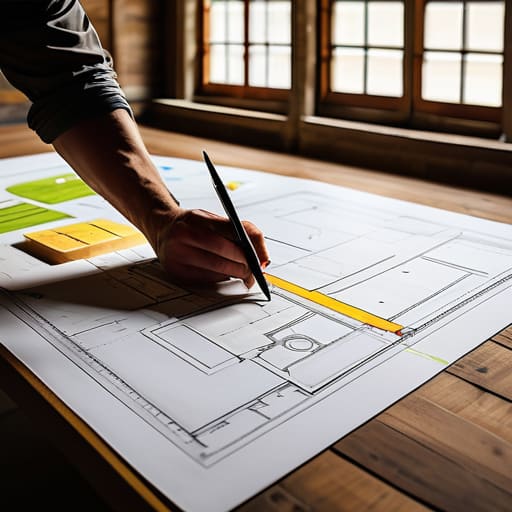
Once you’re actually standing in the room, stop looking at the view and start looking at the bones. Most people walk into a venue and see a blank canvas; I see a series of potential bottlenecks. You need to move beyond a simple checklist and develop actual on-site assessment documentation that tracks the things that can actually ruin a day. I’m talking about a floor plan that isn’t just a pretty drawing, but one that marks every single power outlet, every load-bearing pillar that will block a sightline, and exactly where the service entrance sits in relation to the kitchen. If you don’t map out the flow of the staff versus the flow of the guests, you’re essentially planning for a collision.
Don’t rely on your memory or a vague sense of “it looks fine.” Use your phone to take more photos than you think are necessary—specifically of the unsexy bits like the back-of-house storage, the width of the doorways, and the distance from the bar to the nearest restroom. If you’re managing a complex setup, your site inspection protocols should include a dedicated section for technical requirements: how many amps can that one circuit actually handle before the DJ and the caterers trip the breaker? If it isn’t documented, it doesn’t exist, and you’ll be the one explaining it to a frustrated bride at 8:00 PM when the lights go out.
The Five Things You’ll Actually Use When the Floor Plan Hits Reality
- Check the “Hidden” Access Points. Don’t just look at the grand entrance where the bride walks in; find the service door. I need to know if the caterer is lugging fifty kilos of frozen lamb through a narrow corridor or if there’s a lift that actually works. If the delivery route is a nightmare, your service timings are already dead in the water.
- Map the Power, Not Just the Decor. Everyone talks about where the cake goes, but nobody asks where the DJ is plugging in. If you have three bands, a lighting rig, and a coffee station all hitting the same circuit, you aren’t having a party—you’re having a blackout. Find the sockets and count the amps before you commit to a layout.
- The “Human Flow” Stress Test. Stand in the middle of the room and imagine eighty people trying to get to the bar at the same time after a three-hour ceremony. Is there a bottleneck? Is the bar tucked into a corner where people will get trapped? If the movement feels tight during a quiet walkthrough, it’ll be a riot during the reception.
- Audit the Restroom Logistics. It sounds unglamorous, but it’s a massive part of the guest experience. Are there enough stalls for a 150-person guest list? Is the path to them well-lit and accessible, or are people stumbling through dark corridors? A venue that looks great but has a queue for the loo is a venue that loses its momentum.
- Respect the Hard Stop. Every venue has a licence end time that is non-negotiable. During your visit, work backwards from that final minute. If the music has to stop at midnight, and your dinner service runs forty minutes late because the kitchen was cramped, you’ve just lost your dancing time. Plan for the delay, not the ideal.
The Final Walkthrough

Look, if you walk away from your site visit thinking only about the light hitting the ballroom or how the linens will look under the chandeliers, you haven’t done the job. You need to leave that building knowing exactly where the service entrance is, how many amps that DJ is going to pull, and exactly how many minutes you have between the last toast and the licence end. A successful site visit isn’t about confirming the aesthetic; it’s about mapping the friction points before they become expensive, mid-event disasters. If you’ve checked the power, measured the catering footprint, and accounted for the inevitable bottleneck at the bar, you’ve already won half the battle.
At the end of the day, people hire planners and coordinators because they want the magic to happen, but magic is just the byproduct of flawless logistics. When the guest list is huge, the speeches run long, and the kitchen is running ten minutes behind, you won’t be thinking about the colour palette—you’ll be thinking about your contingency plan. Do the hard work now so that when the doors finally open, you can actually stand back and watch the event unfold. The goal isn’t just to host a beautiful party; it’s to engineer an experience that feels effortless because you were smart enough to plan for the chaos.
Frequently Asked Questions
What happens if the venue manager tells me everything is "fine" when I’m looking at a service entrance that's clearly too narrow for the catering team?
Listen, when a manager says “it’s fine,” what they actually mean is “it’s worked before, so don’t make it my problem.” Don’t take their word for it. If that door looks tight, it is tight. Grab a tape measure. If the catering team can’t get a loaded trolley through without scraping the paint off the walls, your “seamless service” just became a logistical nightmare. Trust your eyes, not their reassurance. If it doesn’t fit, it doesn’t fit.
How do I figure out if a venue is actually "flexible" with timings, or if they're just being polite before they start counting down to the licence end?
Don’t listen to the sales pitch; listen to the floor manager. When you ask about flexibility, don’t ask “Can we stay late?”—that’s a polite way of getting a “we’ll see.” Ask, “What is the hard stop for the music, and how much time do you require for the final clear-out?” If they hesitate or start talking about “vibe,” they aren’t flexible. If they give you a precise, unyielding countdown, they’re being honest.
If I’m on a tight budget, which logistical red flags are absolute deal-breakers and which ones can I actually manage to fix later?
If your budget is tight, don’t sweat a lack of built-in decor or a slightly dim lighting rig; those are easy fixes with a rental or some clever uplighting. But if the venue has a single, narrow service entrance that forces the caterer to dodge guests, or a power supply that can’t handle a DJ and a coffee machine simultaneously, walk away. You can’t “budget” your way out of a logistical bottleneck once the guests arrive.