I’ve spent the better part of two decades watching people fall in love with a photo of a crumbling barn or a neon-lit warehouse, only to realize three weeks before the big day that the “vibe” doesn’t actually include working toilets or enough electrical sockets to run a DJ and a coffee machine simultaneously. Most people looking for a complete guide to unusual venues are being sold a dream of aesthetic perfection, but they’re being lied to about the reality of the logistical nightmare that follows. A vintage airplane hangar looks incredible on Instagram, but if you haven’t checked the access routes for a catering van, you’re going to be serving lukewarm canapés from a shopping trolley.
I’m not here to talk to you about colour palettes or whether peonies match the industrial chic of a converted factory. My job is to tell you what happens when the ceremony runs twenty minutes late and the licence end is looming like a dark cloud. This is a practical, zero-fluff look at the plumbing, the power, and the floor plans. I’m going to show you how to pick a space that looks spectacular without ensuring your entire event collapses under the weight of its own ambition.
Table of Contents
The Hidden Friction of Unique Event Spaces for Weddings
The problem with most people falling in love with an old factory or a crumbling manor is that they see a mood board, whereas I see a series of potential disasters. When you opt for alternative celebration locations, you aren’t just buying a backdrop; you are inheriting the building’s original limitations. If you’re looking at an industrial warehouse rental, for example, you need to stop worrying about the exposed brick and start asking about the circuit breakers. There is nothing quite like a high-end DJ and a professional lighting rig trying to draw power from a single, ancient socket, only to have the entire room go dark halfway through the first dance.
Then there is the issue of flow. In a standard hotel, everything is designed for movement, but with unique event spaces for weddings, the architecture often fights you. You might find your guests wandering through a drafty corridor or, worse, getting stuck in a bottleneck between the ceremony site and the bar. I’ve seen more weddings fall apart in the “dead time” between the vows and the first drink than I have during the actual service. If the layout doesn’t account for the physical reality of two hundred people moving at once, your “effortless” wedding will feel like a slow-motion traffic jam.
Calculating the Power and Plumbing of Alternative Celebration Locations
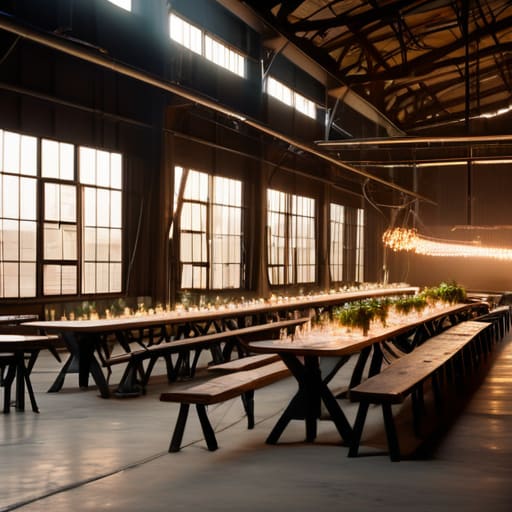
Let’s talk about the stuff that doesn’t show up in the brochure: the infrastructure. When you’re looking at alternative celebration locations, like a converted barn or a drafty loft, you aren’t just booking a vibe; you’re inheriting a building’s limitations. I’ve seen more weddings derailed by a tripped circuit breaker than by a bad florist. If you’re looking into industrial warehouse rental tips, the first thing you do isn’t checking the floorboards—it’s asking the manager for a single-phase or three-phase power breakdown. You have a DJ, a lighting rig, a catering team with warming ovens, and a coffee machine all fighting for the same socket. If you don’t map that out, your “mood lighting” will vanish the moment the first course is served.
Then there is the plumbing. It sounds unromantic, I know, but nothing kills the momentum of a high-end wedding faster than a queue of forty people waiting for two working toilets in a historic museum event hosting space. If you are scouting private estate venue hire, check the ratio of facilities to guests. If the venue says “period features,” that is often code for “one bathroom per floor.” Plan for the flow of people, not just the capacity of the room.
Five Reality Checks Before You Sign That Venue Contract
- The “Walkthrough” isn’t for the flowers; it’s for the flow. When you visit a converted barn or a rooftop, don’t just look at the view. Walk the path your elderly Aunt June will take from the car to the ceremony seat. If she has to navigate three gravel paths and a steep wooden ramp, you aren’t planning a wedding; you’re planning an obstacle course.
- Map your “Dead Time” against the licence. Unusual venues often have awkward transitions—like moving guests from a courtyard to a dining hall. If that move takes forty minutes because the door is narrow or the layout is a labyrinth, you’ve just lost forty minutes of your bar licence. I’ve seen weddings go bust because the transition swallowed the golden hour and the legal drinking time.
- Audit the “Back of House” footprint. A boutique hotel might have a hidden industrial kitchen, but a forest clearing or a gallery likely doesn’t. If your caterer tells you they need a staging area and you’ve only given them a corner of the cloakroom, the food will arrive cold and the service will be a shambles. Ask the caterer exactly how many square metres they need to actually work, then check if the venue can provide it.
- The Soundscape Stress Test. A beautiful glasshouse sounds incredible in a brochure, but once you have eighty people talking, clinking glasses, and a DJ playing a bass-heavy track, it becomes an acoustic nightmare. If the venue is all hard surfaces—concrete, glass, or stone—you’ll spend half your budget on sound engineers just so people can hear their own partners.
- Plan for the “Arrival Bottleneck.” In a standard hotel, people trickle in. In an unusual venue—say, a remote farmhouse or a repurposed warehouse—everyone tends to arrive in one massive, disorganized wave. If you don’t have a designated spot for bags, coats, and immediate drinks, you’ll end up with a crowd of confused guests standing in a doorway, blocking the very entrance you spent thousands to decorate.
The Reality Check
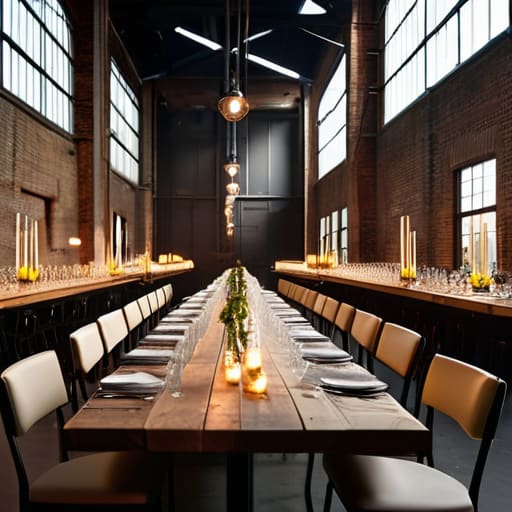
At the end of the day, an unusual venue is a high-stakes trade-off. You are trading the predictable, climate-controlled safety of a hotel ballroom for something with soul, but you are also trading away the built-in infrastructure that keeps a party from sliding into chaos. If you choose the old barn, the disused chapel, or the industrial warehouse, you aren’t just buying a backdrop; you are taking on the responsibility of managing the unseen variables. You have to account for the power draw of the DJ, the accessibility of the toilets, and the inevitable logistical friction that comes when a space wasn’t originally built to hold two hundred hungry people. If you get the logistics of the turnaround right, the venue will feel like magic. If you ignore them, it will just feel like a very expensive headache.
My advice? Don’t let the pursuit of the “perfect aesthetic” blind you to the practical reality of the floor plan. The most successful events I’ve managed weren’t the ones with the most expensive floral installations; they were the ones where the guests never noticed the effort because the timing was seamless and the flow worked. Go ahead and book the unconventional space—it’s often where the best memories are actually made—but do it with your eyes wide open. Plan for the gaps, budget for the extras, and remember that a beautiful setting is worthless if your guests are standing in the dark or waiting an hour for a drink.
Frequently Asked Questions
How do I work out if a venue's "charm" is actually just a lack of basic accessibility for older guests or wheelchair users?
Don’t let the “rustic character” fool you; “charming” is often just code for “we haven’t updated the building since 1924.” If the venue’s main selling point is a gravel path or a winding staircase, you’re looking at a logistical nightmare. Ask for the specific ramp gradients and the distance from the ceremony to the loos. If the manager starts talking about “ambience” instead of showing you a level access route, run.
If I book a remote or non-traditional space, who is actually responsible for the logistical nightmare of getting the caterers and vendors on-site?
Look, if you’re booking a field in the Cotswolds or a converted barn, the “nightmare” falls squarely on you—or whoever you’ve hired to manage the chaos. The venue owner is only responsible for what’s inside their four walls. They aren’t bringing a generator up a muddy track because your florist forgot to check the terrain. You are the bridge. If the caterer can’t get their van within fifty yards of the prep area, that’s your problem.
How much extra "buffer time" should I build into my run sheet to account for the inevitable delays that come with non-standard layouts?
If you’re moving people through a converted barn or a courtyard, stop planning for a seamless transition. You need a minimum of 20 to 30 minutes of “dead air” baked into every move. If the ceremony ends at 2:00, don’t tell the caterers the drinks service starts at 2:05. Between the slow-moving Great Aunt and the bottleneck at a narrow doorway, you’ll lose fifteen minutes before you’ve even reached the bar. Plan for the friction, not the dream.