I once watched a bride cry in the hallway of my venue, not because of the flower arrangements or the ring bearer’s antics, but because her elderly aunt had spent forty-five minutes circling a narrow country lane, eventually giving up and driving home. It’s a scene I’ve seen more times than I care to admit. Most wedding blogs will tell you to focus on the lighting or the linen textures, but they completely ignore the gritty reality of how parking affects venue choice. If your guests arrive sweating, frustrated, and late because they couldn’t find a patch of tarmac, you haven’t hosted a celebration; you’ve hosted a traffic jam with a cake.
I’m not here to sell you on “dreamy settings” or aesthetic charm. I’m here to talk about the logistics that actually keep a day from falling apart. Over the next few minutes, I’m going to strip away the romanticism and give you the straight truth about access, drop-off points, and the hidden costs of a venue that looks great in photos but fails in practice. We are going to look at the hard numbers and the real-world movement of people, ensuring your event runs like a well-oiled machine rather than a parking lot nightmare.
Table of Contents
The Guest Arrival Experience Beyond the Grand Entrance
The Guest Arrival Experience: Beyond the Grand Entrance
You see it in the brochures: a sweeping driveway, a manicured lawn, and a bride walking toward the camera in slow motion. What the brochures omit is the forty-minute bottleneck happening two miles down the road. The guest arrival experience doesn’t actually begin at the altar; it begins the moment your guests hit the first traffic jam or realize the GPS has sent them to a dead end. If your guests spend the first hour of your wedding circling the block or hiking a mile from a distant field, they aren’t arriving with champagne smiles—they’re arriving with low blood sugar and irritation.
When I’m scouting a space, I’m looking past the aesthetics to the actual mechanics of movement. I’m weighing the pros and cons of on-site parking vs off-site parking like a mathematician. On-site is convenient, sure, but if your parking capacity for large events is tight, you’re essentially designing a slow-motion riot. I’ve seen weddings stall out because the “convenient” overflow lot was actually a twenty-minute trek through a muddy field. If you aren’t accounting for the physical reality of how people move from their cars to their seats, you aren’t planning an event—you’re just hoping for the best.
On Site Parking vs Off Site Parking the Real Cost of Distance
On-site parking is the gold standard, but don’t let a shiny driveway fool you. When I’m looking at a site, I’m not just looking at the number of bays; I’m looking at the bottleneck potential. If a venue boasts a small lot but promises a seamless flow, I want to see the ingress and egress plan. If there is only one narrow access road, you aren’t looking at a smooth arrival; you’re looking at a bumper-to-bumper standstill that eats twenty minutes of your cocktail hour before anyone has even touched a glass.
This is where the debate of on-site parking vs off-site parking gets expensive. Off-site options can solve your capacity issues, but they introduce a massive variable: the shuttle. If you’re relying on a shuttle service to ferry guests from a distant lot, your entire timeline is now at the mercy of a driver and a traffic jam. You have to account for the “gap”—that dead time where guests are waiting on a curb instead of celebrating. If you go the off-site route, you aren’t just paying for a lot; you are paying for complex event logistics and transportation that requires constant monitoring to ensure the party doesn’t stall in a car park three miles away.
The Logistics Checklist: Five Things Your Venue Brochure Won't Tell You
- Check the “Turnaround Time” for Shuttles. If you’re using an off-site lot, don’t just ask if a bus is provided; ask how long it takes to cycle a full load of guests. If your ceremony ends at 2:00 PM and it takes forty minutes to move everyone to the drinks reception, you’ve just lost the most expensive hour of your day to a shuttle bus bottleneck.
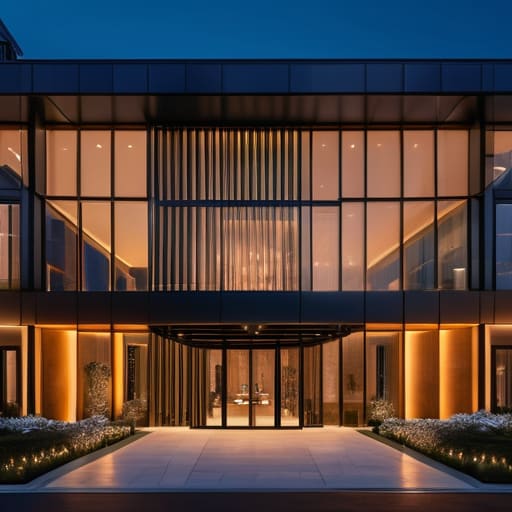
- The Lighting Audit. I’ve seen too many beautiful evening weddings descend into chaos because the walk from the car park to the entrance was a pitch-black obstacle course. If guests are tripping over curbs or searching for their cars in the dark, they aren’t thinking about the centerpiece; they’re thinking about their ankles.
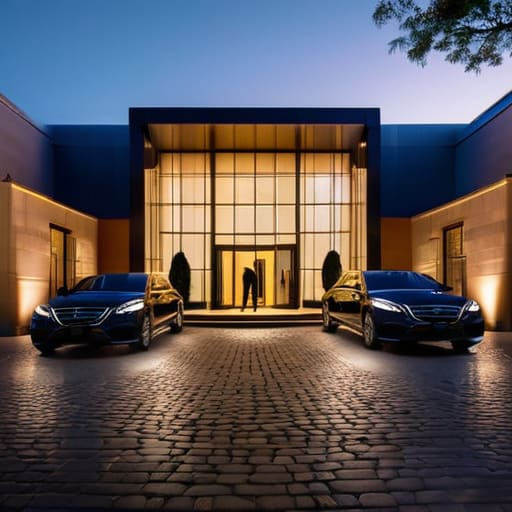
- Budget for the “Hidden” Valet. A valet service looks seamless on a wedding website, but it’s a massive logistical variable. You need to know exactly how many staff are on hand and where the cars are actually being stashed. If the valet is parked three miles away and the driver is running behind, your guests will be sitting at their tables staring at an empty driveway instead of enjoying the canapés.
- The Weather Contingency (and I don’t just mean rain). If the parking is a gravel lot or a grass field, a single heavy downpour turns your guest arrival into a mud-wrestling match. Always ask the venue what their “Plan B” is for when the ground turns into a swamp—because a bride in a silk gown is not going to enjoy navigating a puddle the size of a bathtub.
- Accessibility is Not an Afterthought. “Limited disabled parking” is a phrase that should trigger an immediate red flag. If your elderly relatives or guests with mobility issues have to navigate a steep incline or a long walk from the perimeter, they are effectively excluded from the start of the event. Ensure the closest possible drop-off point is hard-standing and level.
The Bottom Line: Logistics Over Aesthetics
At the end of the day, you can spend a fortune on peonies and silk linens, but none of it matters if your guests are stuck in a bottleneck at the entrance or wandering a dark field looking for a spot. Choosing a venue isn’t just about the view from the ballroom; it is about the unseen friction of getting people from their cars to their seats. You have to weigh the convenience of on-site parking against the potential chaos of shuttle buses and off-site lots. If you don’t account for the flow, the timing, and the sheer volume of vehicles, you aren’t planning a celebration—you are planning a traffic jam. Don’t let a lack of foresight turn your arrival window into a logistical disaster.
My advice? Look past the wedding brochures and ask the hard questions about access, lighting, and capacity before you sign anything. A venue that handles its parking with precision is a venue that understands how an event actually functions. When the logistics are seamless, the guests don’t even notice them; they just feel like everything is effortless. And in my experience, effortlessness is never an accident. It is the result of someone having already solved the problems you haven’t even thought of yet. Plan for the movement, and the rest of the evening will take care of itself.
Frequently Asked Questions
If we use an off-site shuttle service to bridge the gap, how much extra time do I need to build into the ceremony start time to account for the inevitable delay?
You need to build in a minimum of thirty minutes, but if you want to actually sleep that night, aim for forty-five. Shuttles are a logistical variable you can’t fully control. You have to account for the “straggler factor”—the guests who miss the first van or spend ten minutes finding their sunglasses—plus the inevitable slow-moving queue at the drop-off point. If your ceremony is set for 2:00 PM, your shuttle service better be running its final loop by 1:15 PM.
What happens to the event flow if the parking is so tight that guests are stuck in a bottleneck right when the first round of drinks is supposed to be served?
You’ve just created a bottleneck, and it’s a disaster for the timeline. If your guests are still fighting for a spot or trudging from a distant lot while the first round of drinks is being poured, you’ve lost the room. The caterers are standing around with lukewarm prosecco, the bride is checking her watch, and your “effortless” flow is dead on arrival. You can’t serve a crowd that hasn’t actually arrived yet.
How do I calculate the actual cost of "hidden" parking—like valet services or hired marshals—against the venue's initial quote so I don't get hit with a massive bill later?
Stop looking at the venue’s base quote; that’s just the entry fee. To find the real number, you have to math out the “friction costs.” If the venue has no lot, you aren’t just paying for a shuttle; you’re paying for the driver, the fuel, and the inevitable delay when a guest misses the bus. Add up the marshal hourly rates, the valet tips, and the cost of signage. If the “cheap” venue requires a £500 logistics layer to function, it’s not cheap.