I was standing in the wings of a wedding last June, watching a bride’s face go from pure joy to sheer, unadulterated panic because her three hundred guests were currently wedged into a narrow hallway like a human accordion. The florist had spent four hours on a breathtaking floral arch, but nobody had stopped to ask how guest flow should be designed to actually get people past it without a collision. It’s the same story every time: people spend thousands on the “look” of the room, but they completely ignore the physics of the space. You can have the most expensive silk linens in the world, but if your guests are tripping over cocktail tables just to reach the bar, the whole evening feels like a frantic scramble rather than a celebration.
I’m not here to talk to you about color palettes or mood boards. I’m here to talk about the invisible architecture that keeps an event from descending into a bottlenecked nightmare. Over the next few minutes, I’m going to strip away the wedding-blog fluff and give you the hard, logistical truth about movement, access, and timing. We are going to look at how to manage the transition from ceremony to cocktails without a riot, and how to ensure your guests actually get a drink in their hands before the licence end approaches.
Table of Contents
Spatial Layout Optimization Beyond the Pretty Centerpieces
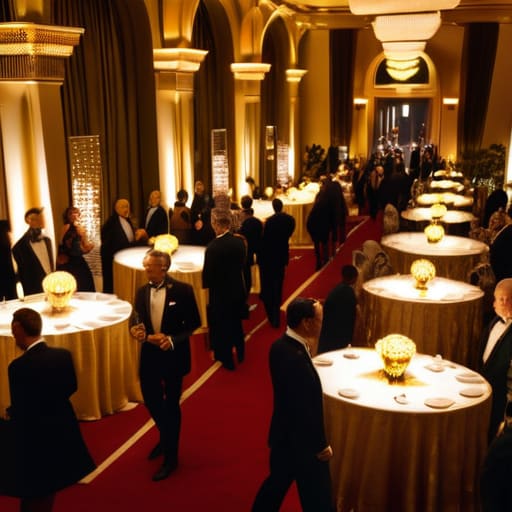
Look, I’ve seen a thousand Pinterest boards, and none of them account for the fact that a hundred people in formal wear don’t move like graceful swans; they move like a slow-motion stampede toward the first thing they see. When we talk about spatial layout optimization, most people think about where the cake goes. I think about the dead zones—those awkward corners where people congregate and inadvertently block the main artery of the room. If your cocktail tables are shoved too close to the entrance, you haven’t created a lounge; you’ve created a human dam.
You have to map out the visitor movement patterns before the first chair is even moved. I always tell my team to walk the floor with a stopwatch. If a guest has to navigate a zig-zagging obstacle course of floral pedestals and heavy linen-clad tables just to reach the bar, you’ve already lost the evening. You want clear, intuitive lines of sight. If people can’t see the way to the restrooms or the buffet from where they’re standing, they’ll wander aimlessly, bumping into waiters and creating the exact kind of friction that turns a smooth reception into a logistical headache.
Architectural Circulation Paths Mapping the Human Tide
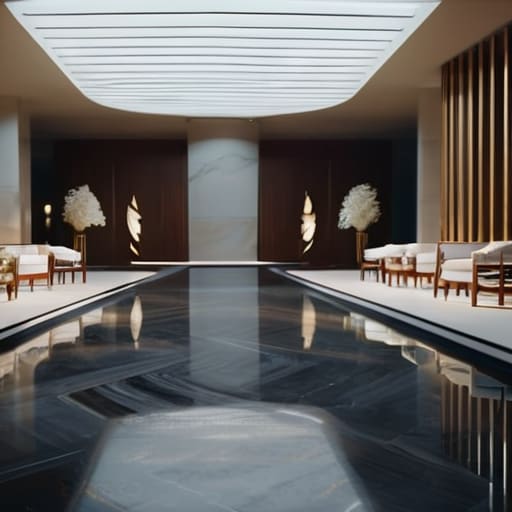
You need to stop thinking about your floor plan as a static drawing and start thinking about it as a series of currents. When you’re looking at architectural circulation paths, you aren’t just placing tables; you are predicting where the human tide is going to crash. I’ve seen a thousand beautiful layouts ruined because the designer forgot that a hundred people moving toward a buffet at the same time doesn’t look like a graceful stroll—it looks like a riot. If your main artery from the ceremony space to the bar is narrower than a standard hallway, you’ve just built a bottleneck that will stall your entire timeline.
The trick to effective crowd management techniques is to anticipate the “clumping” effect. People naturally gravitate toward the bar, the exits, and the person giving the impromptu speech. If you don’t create wide, intuitive channels that pull people away from these high-density zones, you’ll find your expensive catering sitting under heat lamps while guests are stuck in a human logjam. Don’t let your floor plan fight your guests; if the path isn’t obvious, they will create their own, and that is usually where the chaos begins.
The Logistics of Not Looking Like a Bottleneck
- The Bar Buffer: Never, and I mean never, place the main bar directly facing the entrance or tucked into a corner with only one approach. You need a minimum of three metres of “dead space” around the service area just to accommodate the inevitable queue, otherwise, your cocktail hour becomes a human logjam that stalls every other movement in the room.
- The Buffet Bottleneck: If you’re doing a buffet, stop thinking about how much food you have and start thinking about how much floor space the line takes up. A single-sided service line is a death sentence for flow; you need two-sided access or a wide, circular path, or you’ll have hungry guests wandering aimlessly while the people at the front of the line feel like they’re in a supermarket queue on a Saturday.
- The “Speech Trap” Seating: When you transition from dinner to speeches, people don’t just sit still; they lean, they turn, and they try to find a better angle. If your tables are packed too tight to allow for chair rotation, your guests will spend the entire toast bumping elbows and trying to squeeze past each other, which kills the mood faster than a bad DJ.
- The Exit Strategy: Most planners forget that the flow doesn’t end when the music stops. You need to map the “de-rig” and the departure route. If your guests have to push through the catering staff carrying heavy trays or navigate a maze of stacked chairs just to find their cars, you’ve failed the final logistics test of the night.
- The Power of the Pivot Point: Identify your natural “clash points”—the doorway between the ceremony space and the reception, or the narrow hallway leading to the restrooms—and place your signage or decor there to subtly guide people away from the collision. If you don’t direct the tide, the tide will crash into your expensive floral arrangements.
The Logistics of a Good Time
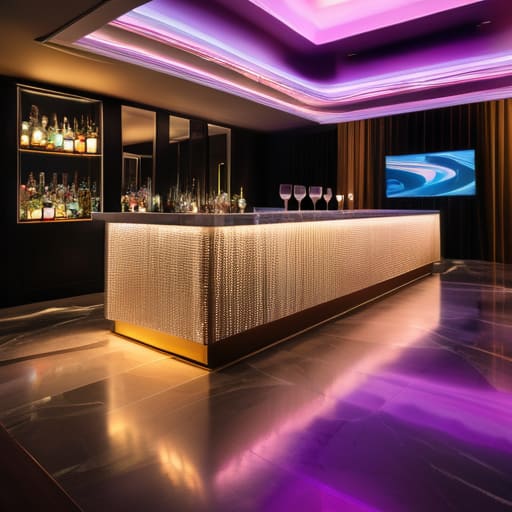
At the end of the day, designing guest flow isn’t about making a floor plan look symmetrical on a piece of paper; it’s about anticipating the friction. You have to account for the bottleneck at the bar, the awkward dead zones where people stand awkwardly with half-empty glasses, and the sheer physics of moving two hundred bodies from a seated dinner to a crowded dance floor. If you’ve mapped your circulation paths, accounted for the service access your caterers actually need, and realized that the most beautiful room in the world is useless if people can’t move through it, then you’ve done more for your event than any florist ever could. It’s about managing the unseen architecture of movement so that your guests never even notice the effort behind it.
People will remember the cake, the music, and the way they felt during the speeches, but they won’t remember the logistics—and that is exactly your goal. A perfectly designed flow is a silent partner; it works in the background to ensure the only thing people have to focus on is the celebration itself. When the transitions are seamless and the transitions don’t feel like a choreographed march, you create the illusion of effortless grace. My advice? Plan for the chaos so you can actually enjoy the magic when it arrives. Remember, the clock is always ticking toward that licence end, so make sure every minute is spent moving toward the fun, not stuck in a queue.
Frequently Asked Questions
How do I manage the flow if my venue has a single, narrow entrance that everyone has to squeeze through at once?
The single-door bottleneck is my personal version of hell. If you try to let everyone in at once, you’ll have a mosh pit of confused guests and spilled champagne before the first toast. You have to stage it. Don’t announce the doors are open; stagger the arrival. Use a cocktail hour in a separate space or a garden to act as a pressure valve. If they can’t flow, they’ll clog—and a clogged entrance is a disaster waiting to happen.
At what point does adding more furniture actually start to ruin the movement of the room?
It’s the moment you stop designing for people and start designing for a catalog. You hit the tipping point the second a guest has to perform a side-step or a “polite shuffle” to get past a lounge chair or a decorative pedestal. If your floor plan looks like a furniture showroom rather than a thoroughfare, you’ve failed. Once the “empty space” becomes a luxury you can’t afford, the room stops breathing and starts bottlenecking.
How much buffer time should I really build into the transition between the ceremony and the drinks reception to avoid a bottleneck at the bar?
Listen, if you’re planning for a seamless transition, you’re already behind. You need a minimum of forty-five minutes, but realistically? Aim for sixty. You have to account for the “slow walkers,” the group that lingers for one last photo, and the inevitable bottleneck when a hundred people realize they’re thirsty at the exact same moment. If you don’t build in that buffer, your bar staff will be drowning before the first canapé is even served.