I spent twenty minutes last Saturday standing in a damp field, watching a wedding planner argue with a florist about whether the sunset would hit the peonies just right. It was beautiful, sure, but neither of them noticed that the ground was a literal sponge or that the nearest power socket was a quarter-mile away. People think choosing a venue is about finding a picturesque meadow for the Instagram shot, but that’s a fantasy. When it comes to how marquee sites are chosen, the real decision isn’t about the view; it’s about whether you’re going to spend your entire reception watching a catering team struggle to plug in a single coffee urn because the site has zero infrastructure.
I’m not here to talk to you about silk linings or floral arches. My goal is to pull back the curtain on the gritty, unphotographed reality of site selection. I’m going to show you exactly what I look for when I’m scouting a location—from drainage and access routes to the dreaded power deficit. If you want to know how to pick a site that actually works when the first guest arrives, you’re in the right place.
Table of Contents
The Geotechnical Site Assessment Reading the Ground
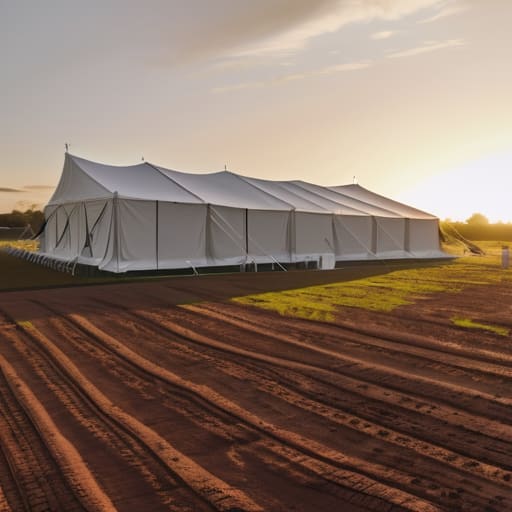
Most people look at a field and see a picturesque backdrop for a sunset ceremony. I look at a field and see a potential disaster involving sinking heavy-duty generators and a marquee that decides to tilt five degrees to the left mid-reception. This is where the geotechnical site assessment actually matters. You aren’t just looking for a flat patch of grass; you’re looking at the soil composition. If you’ve picked a site with high clay content, that lovely meadow is going to turn into a slurry the moment the first hundred guests arrive in heels, and no amount of expensive floral styling is going to fix a muddy catastrophe.
Beyond the mud, you have to consider the structural stability requirements of the setup itself. A marquee is essentially a giant sail. If the ground is too soft or the wind patterns across the topography are unpredictable, your anchoring requirements change entirely. You can’t just hammer a stake into a patch of peat and hope for the best. I’ve seen too many “dream sites” fall apart because someone forgot that a heavy catering tent needs a solid, level foundation to prevent a slow-motion tip-over during the main course.
Topography and Site Suitability Beyond the Pretty View

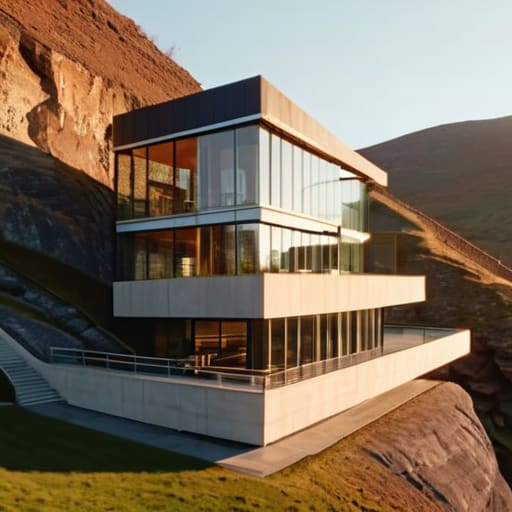
Everyone falls in love with the view first. They see a sloping meadow with a sunset backdrop and think it’s the perfect spot for the marquee, but they aren’t seeing the nightmare of topography and site suitability that I’m seeing. A gentle incline looks lovely in a brochure, but once you start trying to level a dance floor, that “charming slope” becomes a logistical headache. If the ground isn’t relatively flat, you aren’t just looking at a few uneven floorboards; you’re looking at significant costs for sub-flooring or, worse, a structure that struggles with its own weight.
You also have to think about the natural flow of the space. I’ve seen too many setups where the “scenic” placement puts the bar at the bottom of a hill, miles away from the dining area. This ruins your timings. If guests have to trek across a gradient just to get a gin and tonic, your bar service slows down, the queue builds up, and suddenly you’ve lost the momentum of the evening. Optimal site placement strategies aren’t about where the prettiest tree is; they are about ensuring the path from the ceremony to the cocktail hour is actually walkable in high heels.
The Logistics Checklist: What the Pinterest Board Won't Tell You
- Check the power supply before you commit to the lighting plan. A beautiful meadow looks great until you plug in a catering oven, a DJ rig, and a coffee machine, only to have the entire site go dark because you’re running off a single, undersized generator.
- Map out the service access route. If your caterer has to haul three hundred plates and a heavy-duty fridge through a narrow garden gate or across a muddy slope, your service timings are dead in the water before the first guest arrives.
- Plan for the ‘Liquid Logistics’ of the bar. You need to know exactly where the water source is and how you’re getting ice to the site. If your bar setup is a half-mile walk from the service vehicle, you’re going to spend half your budget on transit time and half your evening running out of cold drinks.
- Factor in the ‘Load-In’ and ‘Load-Out’ windows. People focus on the six hours of the party, but you need to account for the twelve hours of setup and the four hours of breakdown. If the site doesn’t allow for heavy vehicles to arrive early and leave late, you’ll be paying overtime for every single person on site.
- Scout the ‘Sanitation Radius.’ It doesn’t matter how many silk linings you have in the marquee if the nearest decent toilet is a five-minute trek through a dark field. You need to ensure the path is lit, the ground is firm, and the facilities are positioned where they won’t disrupt the flow of the evening.
The Bottom Line on Site Selection

At the end of the day, picking a marquee site isn’t a creative exercise; it’s a technical one. You can have the most stunning view of the rolling hills, but if the ground turns into a sponge the moment a catering truck rolls in, or if your power supply can’t handle a single professional coffee machine and a DJ simultaneously, the magic evaporates. You have to account for the drainage, the slope, and the unseen infrastructure that keeps the event from collapsing into a logistical nightmare. Don’t let a beautiful sunset distract you from the fact that a marquee is only as good as the ground it sits on and the access points that feed it.
I know it’s not as romantic as picking out lace samples or tasting cake, but getting the site logistics right is the greatest gift you can give your guests. When the site is chosen with an eye on the practicalities—the access, the levels, and the load-bearing capacity—everything else starts to feel effortless. The music stays loud, the drinks stay cold, and nobody is worried about sinking into the mud. Plan for the friction points now, so that when the licence end approaches and the party is in full swing, the only thing people are thinking about is how much they don’t want the night to end.
Frequently Asked Questions
How much extra buffer time do I need to build into the schedule for setting up on uneven or soft ground?
If you’re looking at soft or uneven ground, stop thinking in minutes and start thinking in hours. I’ve seen a “quick” setup turn into a three-hour battle with leveling plates and timber walkways because the ground decided to turn into a sponge the moment the heavy kit arrived. Add a minimum of four hours of buffer. You aren’t just pitching a tent; you’re building a foundation. If you don’t, your caterers will be fighting mud, not food.
What happens to the power supply if the site is far from the main house or the local grid?
If you’re setting up a marquee a hundred yards from the main house, you’ve already lost the battle against the fuse box. You can’t just run a single extension cord and hope for the best; the moment the caterers turn on their ovens and the DJ drops the bass, you’ll blow the circuit and leave everyone sitting in the dark. You’ll need a generator. And not just any generator—one with enough juice to handle the surge, plus enough fuel to last until the licence end.
How do I figure out if the access road can actually handle a heavy catering truck or a generator without getting stuck in the mud?
Don’t trust a Google Maps screenshot; go there and walk it. Look for the “bottlenecks”—that one narrow bend or the patch of soft verge where everyone tries to squeeze past. If you see deep ruts from a tractor, a heavy catering truck is going to bottom out there. If the road is gravel, check if it’s compacted or just loose surface. If it’s clay, you aren’t just planning a wedding; you’re planning a recovery operation.