If you spend any time on Pinterest, you’ll be told that a complete guide to planning a wedding should focus on the exact shade of blush for your napkins or the way eucalyptus drapes over a vintage carriage. Honestly? That’s nonsense. I’ve spent eighteen years watching weddings unfold from the back of a venue, and I can tell you that nobody remembers the napkin shade when they’re standing in a bottleneck at the bar or staring at a cold plate of food because the speeches ran forty minutes over. Most guides sell you a dream of aesthetic perfection, but they completely ignore the fact that your wedding is actually a high-stakes logistics puzzle that needs to be solved before the first guest arrives.
I’m not here to talk about color palettes or floral trends. My goal is to give you the version of a complete guide to planning a wedding that actually matters—the one that covers load-in schedules, power requirements, and the brutal reality of the licence end. I’m going to show you how to manage the flow of people, the timing of your caterers, and those invisible friction points that usually cause a meltdown. We are going to plan an event that actually works, so you can stop worrying about the decor and start enjoying the party.
Table of Contents
A Brutally Honest Wedding Planning Checklist
Most wedding planning checklists are collections of wish lists—pretty things to buy or aesthetic choices to make. They’re useless for the actual execution. If your list doesn’t include a hard stop for when the caterer needs to start clearing the main course to ensure you hit the dance floor by 8:00 PM, it isn’t a real list. You need to focus on the unsexy mechanics. Start with your wedding vendor selection, but don’t just look at their Instagram. Ask them about their load-in times, their power requirements, and how many staff members they are actually bringing. A florist who promises a dream setup but arrives thirty minutes before the ceremony is a liability, not a partner.
Next, tackle the movement. Your wedding day itinerary shouldn’t just be a timeline of “events”; it needs to be a map of transitions. I want to see how long it takes to move 120 people from a cocktail area to a dining room without a bottleneck at the door. If you haven’t accounted for the “dead time” between the ceremony and the first drink, you aren’t planning a wedding—you’re just hoping for the best.
Wedding Vendor Selection Beyond the Pretty Portfolios
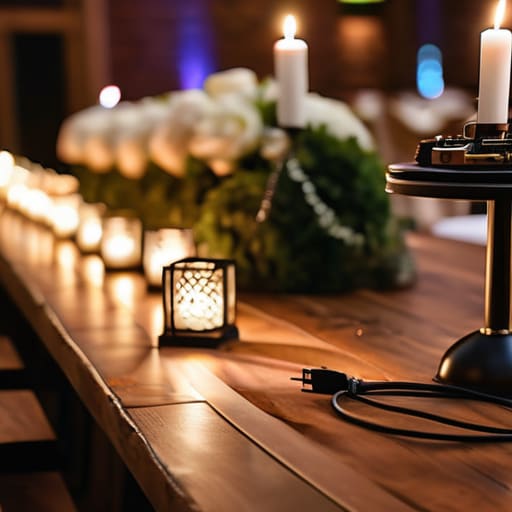
When you’re scrolling through Instagram, every vendor looks like a miracle worker. The photographers capture light like gods, and the florists create gardens in a ballroom. But when you move into the actual wedding vendor selection phase, you need to stop looking at the finished product and start looking at their kit bag. I don’t care how stunning their portfolio is if they show up to my venue without a reliable way to communicate with the kitchen or if their setup requires more power than my circuit breakers can handle. Ask them about their contingency plans. Ask them how they handle a sudden downpour or a guest who trips over a cable. A vendor who can’t answer those questions isn’t a professional; they’re just an artist waiting for something to go wrong.
You also need to vet them for how they fit into your wedding day itinerary. A great caterer is useless if they don’t understand the tight turnaround between the ceremony and the first course. If they need forty-five minutes to plate up but your schedule only allows for twenty, you’re going to have a room full of hungry, irritable guests. Don’t just hire for aesthetics; hire for logistical compatibility.
The Logistics of Not Losing Your Mind
- Stop obsessing over the color palette and start obsessing over the floor plan. I don’t care if the napkins are sage green if your catering team has to squeeze through a gap that’s too narrow to carry a tray of hot plates. If you don’t map out the service paths and the buffet flow, you aren’t planning a party; you’re planning a bottleneck.
- The “Golden Hour” is a lie if your timeline is a mess. Everyone wants those sunset photos, but if your ceremony runs twenty minutes late because the flower girl had a meltdown, you’ve just lost your light. Work backwards from your license end time, not forwards from your start time. If the music has to stop at midnight, your heavy hitters need to be on the floor by ten.
- Budget for the invisible stuff. Most couples spend their entire budget on the things people look at, and zero on the things that make the night work. You need a line item for power requirements, transport for the elderly guests, and a contingency fund for when the weather turns or the DJ’s equipment decides to quit. If it isn’t in the budget, it’ll be in your stress levels.
- The transition between the ceremony and the reception is where weddings go to die. It is the most dangerous window in your entire day. If you have a forty-minute gap with no drinks and no direction, you’ll have a room full of hangry, thirsty guests before the first hors d’oeuvre even hits the floor. Plan the movement, not just the events.
- Manage the “Unscheduled Speaker.” Every wedding has one—the uncle who thinks he’s a comedian or the best man who’s had three too many whiskies. Don’t just hope it won’t happen; build it into the schedule. Give your MC a firm script and a hard time limit. An event is a sequence of timed movements, and a twenty-minute unplanned speech is a derailment.
The Final Countdown
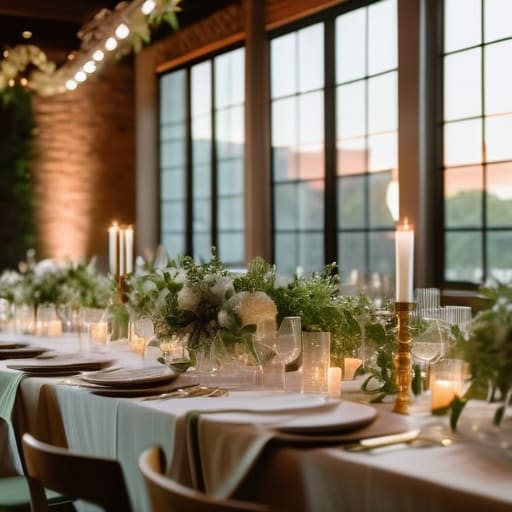
At the end of the day, a wedding isn’t a Pinterest board come to life; it’s a complex machine with a hundred moving parts, most of which are invisible until they stop working. You can spend months obsessing over the exact shade of sage for your napkins, but if you haven’t accounted for the thirty-minute lag between the speeches and the service, or ensured your DJ has a dedicated power circuit, the aesthetic won’t save you. Remember that a successful event is built on the bones of solid logistics—the vendors who show up early, the clear floor plans, and the unshakeable timelines that keep the party moving toward that inevitable licence end.
Look, I know the spreadsheets can feel overwhelming and the sheer volume of decisions can make you want to walk away from it all. But here is the truth from someone who has stood in the back of the room through nine hundred different versions of this day: the logistics are there to serve the moment, not the other way around. When the timing is tight and the flow is seamless, you actually get to be a guest at your own wedding. Build the structure so strong that you can afford to forget the plan entirely once the music starts. If the foundation is solid, the rest is just beautiful noise.
Frequently Asked Questions
How much buffer time should I actually build into the transition between the ceremony and the wedding breakfast?
Listen, if you think forty minutes is enough for a hundred people to move from a ceremony to a seated dinner, you’re dreaming. You need at least ninety minutes. People linger, they find the bar, they have “one quick chat,” and the bride’s uncle invariably gets lost looking for the loos. If you don’t account for that friction, your wedding breakfast will start forty minutes late, and you’ll be racing the licence end before the dessert even hits the table.
If my guest list is pushing the capacity limits, what are the realistic implications for the bar service and floor layout?
If you’re redlining your capacity, you’re not just buying more chairs; you’re buying more friction. A room at 95% capacity feels crowded, not “intimate,” and that’s when the bar becomes a bottleneck. You’ll see a queue that never moves, leaving guests grumpy and thirsty. You also lose your “flow lanes”—the space needed for servers to navigate or for people to actually reach the buffet. If you’re maxing out, double your bar staff or you’ll lose the room.
What are the specific logistical questions I should be asking a caterer to ensure they won't blow my timeline?
Stop looking at the menu and start looking at their movement. Ask them: “How many staff are on the floor during service, and how much space do you need for your prep station?” If they don’t have a dedicated area, they’ll be tripping over your guests. Also, ask for their exact service timeline—from the moment the first plate hits the table to the last tray being cleared. If they can’t give you hard numbers, they’ll blow your evening.