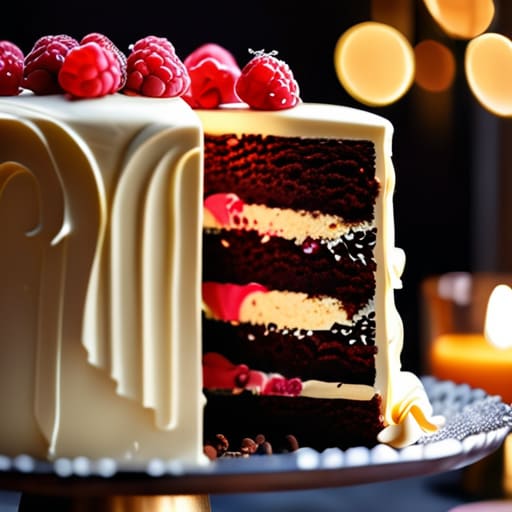
I’ve spent eighteen years watching people pour thousands of pounds into artisanal, gold-leafed sponges that look spectacular in a staged photograph but are a complete nightmare once the service actually starts. I once saw a couple agonize for months over choosing the perfect wedding cake flavors, only to select a dense, triple-chocolate ganache that was so heavy the caterers couldn’t slice it fast enough to meet the 10:00 PM licence end. By the time the dessert hit the tables, the dance floor was already half-empty and the momentum was dead.
I’m not here to tell you which floral notes pair best with a summer sunset; I’m here to talk about what actually works when you have two hundred hungry guests and a service window that doesn’t move. We are going to strip away the wedding blog fluff and look at the logistical reality of your dessert course. I’ll show you how to balance guest preferences against dietary requirements and, more importantly, how to pick flavors that won’t derail your entire evening’s timing.
Popular Wedding Cake Flavor Combinations and Their Structural Realities
If you’re genuinely struggling to bridge the gap between what you want and what is actually feasible for your guest list, don’t just guess. I’ve seen too many couples pick a flavor profile that looks great on a mood board but turns into a nightmare when the catering team has to plate it for two hundred people in a twenty-minute window. It helps to get a sense of how different menus and service styles actually play out in a real-world setting, so I often suggest having a look at the casualmanchester chat to see how they approach the logistics of flavor and guest experience. Getting that perspective early on is the difference between a smooth dessert service and a complete breakdown in timing once the dancing is supposed to start.
When you look at a list of popular wedding cake flavor combinations, most people see a menu; I see a structural integrity report. A light, airy lemon sponge with raspberry curd might look stunning in a tiered display, but if your venue is running a bit warm or the cake is sitting out during a long cocktail hour, that citrus moisture can turn a masterpiece into a structural nightmare. If you are leaning towards classic vs modern wedding cake flavors, remember that a dense, mud-based chocolate cake is much more forgiving under the weight of heavy fondant than a delicate chiffon.
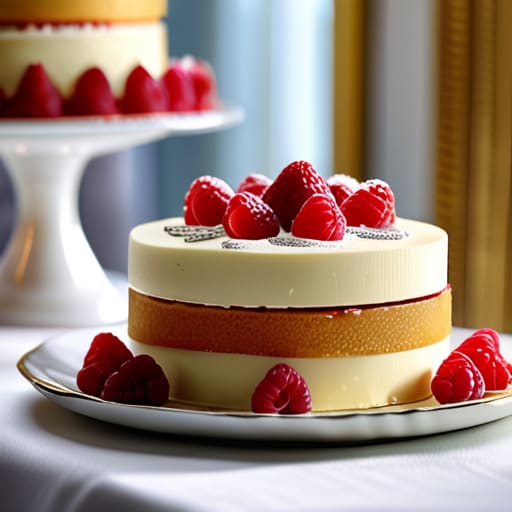
Then there is the issue of the “flavor profile vs. service speed” trap. I’ve seen couples go for incredibly intricate, fruit-heavy fillings that look divine during the tasting, only to find that by the time the cake reaches the table, the syrup has compromised the stability of the bottom tier. If you are exploring seasonal cake flavor ideas, like spiced autumnal notes or light summer berries, make sure your baker isn’t just dreaming of aesthetics. You need a cake that can withstand the transit from the kitchen to the cake stand without becoming a leaning tower of delicious, expensive debris.
Classic vs Modern Wedding Cake Flavors Balancing Trend and Stability
When you’re looking at classic vs modern wedding cake flavors, you aren’t just choosing between vanilla and passionfruit; you’re choosing between a safe bet and a logistical gamble. The classics—rich fruitcakes or dense Madagascan vanilla—are the workhorses of the industry. They hold their shape under the weight of heavy fondant and don’t turn into a structural mess when the venue heating kicks in halfway through the speeches. They are reliable, easy to slice, and rarely cause a stir among the older generation who just want something they recognize.
Modern trends, however, tend to lean toward lighter, more complex profiles like elderflower, citrus, or even botanical infusions. These make for stunning seasonal cake flavor ideas, especially for a summer garden wedding, but they come with a caveat. A sponge that is too moist or a filling that is too fluid is a nightmare for my floor staff when they’re trying to plate up three hundred portions in a twenty-minute window. If you go the modern route, make sure you’ve vetted the stability of those layers. You want a cake that tastes like a dream, but behaves like a building.
The Logistics of the Slice: 5 Reality Checks for Your Cake Selection
- Check your weather against your sponge. If you’re hosting a summer garden wedding and you opt for a heavy, mascarpone-based cream or a delicate white chocolate ganache, you aren’t just choosing a flavor; you’re choosing a structural collapse. Heat is the enemy of stability, and a slumped cake looks terrible in the photos and even worse when the caterer is trying to plate it.
- Don’t forget the “Service Window” test. A dense, rich fruitcake or a heavy mud cake is easy to slice and holds its shape under the heat of a busy kitchen, but it takes longer to serve. Conversely, a light sponge is a dream to eat but a nightmare to cut cleanly when you have 150 hungry guests and a licence end looming in ninety minutes.
- Account for the “Dietary Domino Effect.” If you choose a highly niche or hyper-specific flavor profile—think lavender-infused honey or cardamom-spiced citrus—you are effectively creating a separate logistical stream for guests with allergies or different palates. Keep the main tiers approachable; save the experimental stuff for the cutting cake if you must, but don’t make the entire dessert course a gamble.
- Consider the temperature of the room, not just the cake. A room full of dancing guests and a working heating system will turn a delicate buttercream into a puddle faster than you can say “I do.” If your venue gets warm, lean toward harder frostings or chocolate coatings that can actually survive the transit from the kitchen to the table.
- Scale your flavors to your menu. If you’ve spent a fortune on a heavy, three-course steak dinner, a light, zesty lemon and elderflower cake provides the necessary contrast. If you’re doing a lighter, summer buffet, a massive, cloying chocolate cake will leave your guests feeling too heavy to hit the dance floor. The cake isn’t an island; it’s the final movement of a much larger logistical symphony.
The Final Slice: Logistics, Flavor, and the Licence End
At the end of the day, choosing a cake isn’t just about whether you like lemon zest or salted caramel; it’s about managing the unseen variables of your reception. You have to balance the crowd’s palate against the structural integrity of the tiers and the reality of your service window. If you choose a fruit-heavy sponge that requires delicate handling during a high-pressure turnaround, or a flavor profile so niche that half your guests won’t touch it, you’re creating more work for the floor staff and potentially slowing down the transition to the evening program. Remember: a cake that looks like a masterpiece but collapses or takes forty minutes to slice is just another logistical hurdle standing between your guests and their next drink.
My advice? Don’t let the pursuit of a “Pinterest-perfect” flavor profile override the practical flow of your evening. When you strip away the sugar flowers and the gold leaf, a wedding is a series of successful hand-offs between people, and the cake is one of the most important ones. If you pick something that tastes incredible, holds its shape, and is easy for my team to distribute efficiently, you’ve already won half the battle. Focus on the seamless execution, and I promise the guests will remember the taste long after the last person has cleared the floor at midnight.