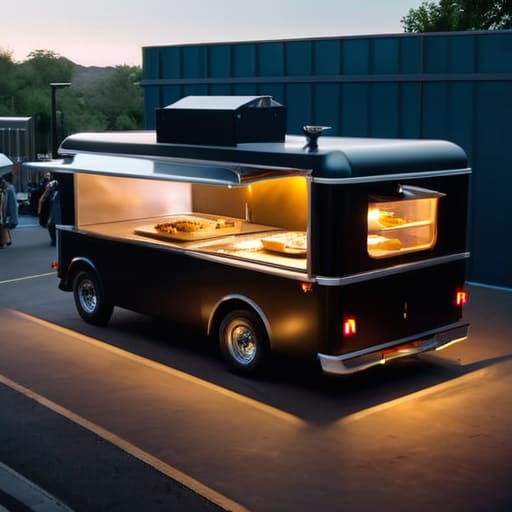
I’ve seen it a dozen times: a couple falls in love with the idea of a “boho-chic” wedding featuring three vintage taco trucks and a wood-fired pizza oven, thinking it’ll be this effortless, breezy feast. But if you haven’t actually looked at how street food catering operates in a confined space, you aren’t planning a party; you’re planning a bottleneck. I once managed a summer wedding where the “cool” bao bun vendor arrived to find they had exactly two metres of clearance and a power requirement that would have tripped a small village’s grid. By 8:00 PM, the queue was wrapping around the marquee, the guests were hangry, and the logistical meltdown was visible from space.
I’m not here to talk to you about the aesthetic of the reclaimed timber signage or the “vibe” of the menu. I’m here to talk about the grit. In this guide, I’m pulling back the curtain on the real mechanics—the power draws, the service flow, and the hidden spatial demands—so you can understand the unfiltered reality of your catering setup. We’re going to move past the Instagram filters and focus on the actual math of getting hungry people fed before the licence ends.
Table of Contents
The Chaos of Mobile Food Unit Logistics
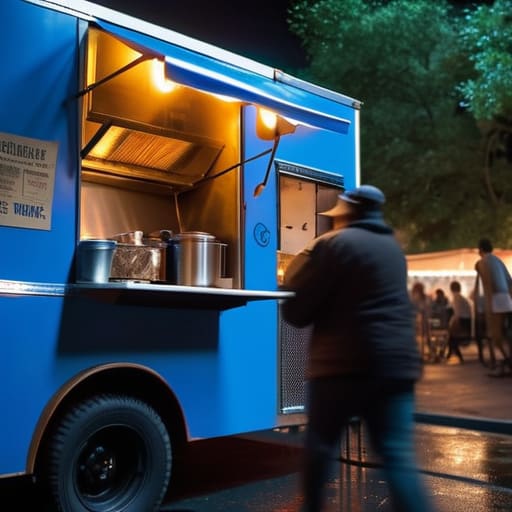
Everyone looks at a beautifully lit taco truck and thinks “vibe,” but I look at it and see a massive electrical headache. Most people forget that food truck power requirements are the silent killer of a good event. You can have the most incredible artisanal bao bun setup in the world, but if that vendor plugs in three high-voltage fryers and your venue’s circuit breaker trips, the party is effectively over. I’ve stood in the dark at 8:00 PM watching a wedding reception grind to a halt because someone thought a single extension lead was enough to run a commercial-grade kitchen.
Then there is the physical footprint. People talk about the “aesthetic” of a street food market, but they rarely talk about the actual movement of bodies. If you haven’t mapped out the path from the curb to the serving station, your “effortless” feast becomes a bottleneck. You aren’t just managing hungry people; you are managing high volume service in a space that wasn’t built for it. If the queue blocks the fire exit or prevents the waitstaff from getting to the tables, your logistics have failed, no matter how good the salsa tastes.
Navigating the Maze of Street Food Vendor Licensing
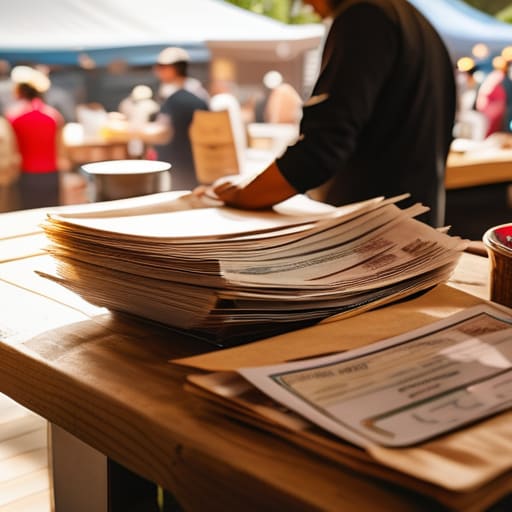
Most people think the paperwork is just a formality, a bit of red tape to tick off before the fun starts. In reality, street food vendor licensing is the invisible backbone of the entire operation. I’ve seen more events grind to a halt because of a missing health certificate or a local council permit than because of a burnt burger. You aren’t just checking boxes; you are proving to the authorities that your setup won’t become a public health hazard or a fire risk. If your vendor’s insurance doesn’t specifically cover the footprint of their stall, you’re the one holding the bag when things go sideways.
Beyond the legalities, there is the sheer technicality of compliance. You have to account for everything from waste disposal protocols to how they manage their outdoor catering equipment in a public space. It’s not just about having the right permit; it’s about ensuring the vendor’s specific setup matches the constraints of your site. If the license says they can only operate a gas-powered unit and they turn up with a high-draw electric fryer, you’ve got a problem that no amount of “aesthetic” signage can fix.
The Five Pillars of Not Letting Your Food Service Collapse
- Map your power before you map your menu. A fancy wood-fired pizza oven is useless if you’re trying to plug it into a single daisy-chained extension lead behind a decorative floral arrangement. If your vendor needs 16 amps and you’ve only provided a standard domestic socket, you aren’t having a feast; you’re having a very expensive, very smoky blackout.
- Respect the ‘Service Gap’ math. If you have 150 guests and one taco truck that can only produce 40 tacos every twenty minutes, you don’t have a catering plan; you have a queue problem. I’ve seen weddings fall apart because the guests were standing in a line for forty minutes while the bride was trying to do her first dance. Always calculate the throughput, not just the headcount.
- The ‘Three-Metre Rule’ for vendor footprint. Everyone talks about the aesthetic of the truck, but nobody talks about the service radius. You need to budget space for the vehicle, the serving window, the queueing area, and the waste management. If you cram a vendor into a corner meant for a photo backdrop, your guests will be stepping over empty napkins and discarded skewers just to get to the bar.
- Plan for the ‘Hidden’ water and waste reality. A vendor can make the best bao buns in the city, but if they don’t have a dedicated greywater disposal plan or a way to wash their hands without using your venue’s main sink, they are a liability. If they are bringing their own water, ensure they have the storage capacity to last the entire service, or you’ll be watching them run dry halfway through the main course.
- Timing the ‘Last Call’ for food. Just like the bar licence, the catering service has a hard stop. If your event ends at midnight, your vendor shouldn’t be packing up their fryers at 10:30 PM. You need to coordinate the final serving window so it aligns with the energy of the room, ensuring that the last person in line isn’t staring at a shuttered service hatch while the music is still playing.
The Reality Check
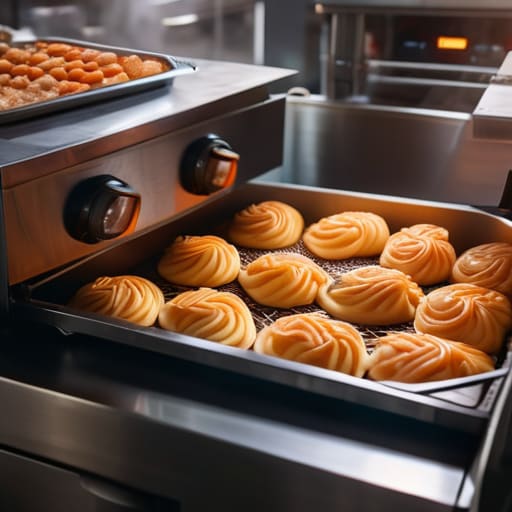
At the end of the day, street food catering isn’t just about a menu that looks good on Instagram; it is a high-stakes game of spatial awareness and technical precision. You can have the most incredible bao bun vendor in the city, but if they don’t have the correct amperage to run their fryers or a clear, unobstructed path from the van to the serving hatch, your event is going to stall. We’ve talked about the licensing headaches, the cramped footprints of the mobile units, and the sheer logistical muscle required to make it all work. If you ignore the plumbing, the power, and the precise timing of the service window, you aren’t hosting a feast—you’re hosting a bottleneck in a fancy waistcoat.
But here is the truth from someone who has watched a hundred vendors pull it off: when the logistics are invisible, the magic becomes real. When the power holds, the queue moves steadily, and the food comes out hot despite the chaos of a rainy afternoon, that is when the guest experience actually happens. Don’t get distracted by the aesthetics of the truck or the trendiness of the cuisine. Focus on the unseen machinery of the operation. Because when you plan for the friction, you create the illusion of ease, and that is the only way to host an event that people actually remember for the right reasons.
Frequently Asked Questions
How much actual floor space do I need to reserve for the vendor so they aren't tripping over my guests or blocking the fire exits?
Stop thinking about the footprint of the truck and start thinking about the footprint of the operation. A vendor needs more than just a spot to park; they need a staging area. I always tell clients to budget at least five to six metres of depth. You need room for the service counter, the queue of hungry guests, and the inevitable back-of-house movement. If you squeeze them, they’ll end up blocking your fire exits or tripping over a bridesmaid.
If I'm hiring three different trucks, how do I stop them all trying to draw power from the same single socket and blowing the fuse halfway through the service?
You don’t stop them; you audit them. If you tell three vendors they can share a single socket, you’re basically asking for a dark room and a very angry crowd halfway through the mains. I’ve seen it happen. You need to demand a power schedule from every vendor upfront. If they aren’t self-contained with their own generators or dedicated circuits, you haven’t booked a feast—you’ve booked a fuse-blowing disaster. Check the load, or don’t host the event.
What’s the realistic turnaround time for a food truck to serve a hundred people once the first order is placed, and how do I prevent a bottleneck at the service window?
If you’re expecting a hundred plates to hit the tables in twenty minutes, you’re dreaming. Realistically, once that first order drops, you’re looking at a 3-to-5-minute cadence per person. That’s an hour of steady, grinding throughput. To stop the bottleneck, don’t just line people up at the window. Create a clear “order zone” and a “pickup zone.” If the queue for food blocks the queue for drinks, your event is officially dead in the water.