I once watched a bride weep—not because of the vows, but because her “dream” garden wedding had turned into a logistical nightmare when the catering van realized there was no level ground and the generator was choking on its own fumes. Everyone spent six months obsessing over the linen colors and the artisanal garnish, but nobody actually sat down to figure out how to plan catering for outdoor events without a solid foundation. You can have the most expensive truffle risotto in the county, but if your caterer can’t get a three-meter truck through the garden gate or find a single stable power outlet, you aren’t hosting a dinner; you’re hosting a very expensive disaster.
I’m not here to sell you on the magic of al fresco dining or the “aesthetic” of a rustic buffet. I’m here to talk about the unseen chaos that happens behind the marquee. I’m going to walk you through the actual mechanics—the access routes, the power draws, the waste management, and the timing gaps that usually sink a party. If you want to know the truth about how to plan catering for outdoor events so that your guests actually get fed before the licence ends, you’ve come to the right place.
Table of Contents
Outdoor Event Menu Planning Designing for Reality Not Just Aesthetics
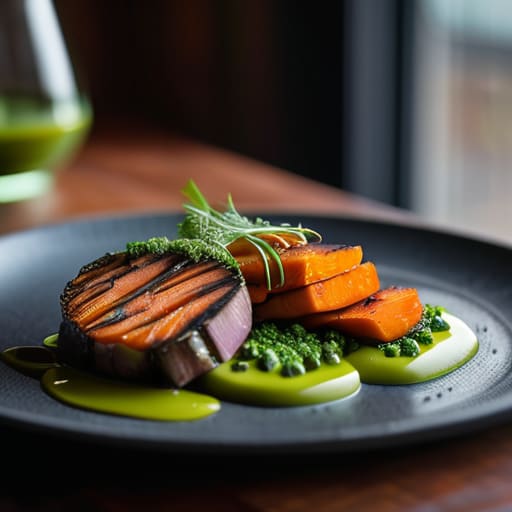
When you’re looking at a menu for an outdoor wedding, you’re likely looking at photos of delicate micro-greens and beautifully plated sea bass. I’m looking at the wind, the humidity, and the fact that your guests are standing in direct sunlight. You cannot plan a menu based on what looks good on Instagram; you have to plan it based on structural integrity. If you serve a heavy, cream-based sauce or a delicate soufflé in eighty-degree heat, you aren’t hosting a party—you’re hosting a disaster. Successful outdoor event menu planning means choosing ingredients that can withstand a twenty-minute delay if the photographer decides to linger for one more shot.
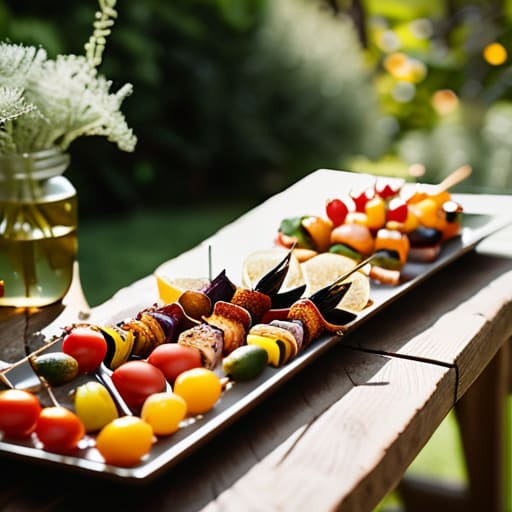
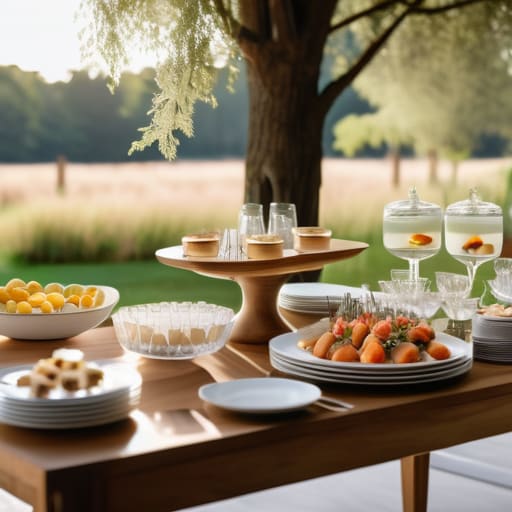
Forget the complicated garnishes that wilt the moment they hit the air. Think about items that hold their shape and temperature. If you are opting for a buffet setup for summer parties, you need to be ruthless about what stays on the table. I’ve seen too many organizers ignore the reality of managing food temperature outdoors, only to realize halfway through the speeches that the mayonnaise-based salads are a liability. Stick to robust, high-quality proteins and seasonal produce that doesn’t require a constant, frantic battle against the elements to stay edible.
Catering Equipment for Open Air Venues the Unseen Infrastructure
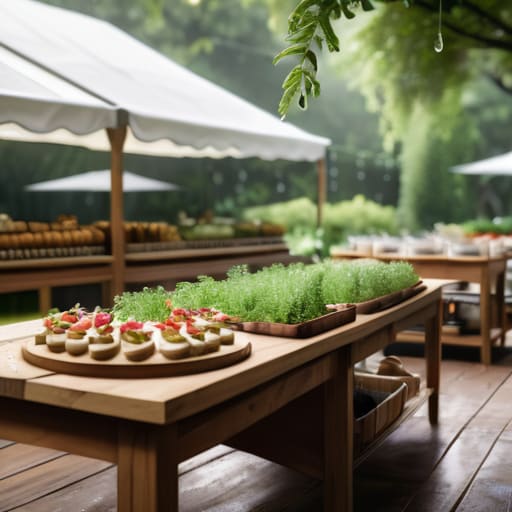
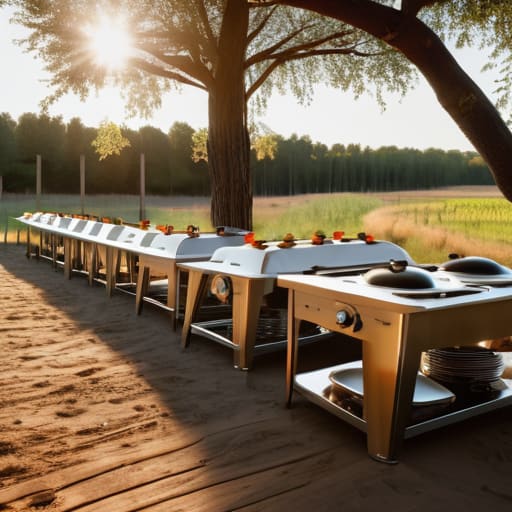
You can spend a fortune on linen napkins and artisanal sourdough, but none of it matters if your catering equipment for open air venues is an afterthought. I’ve seen more weddings derailed by a blown fuse or a lack of stable ground than by a bad menu. You aren’t just setting up a buffet; you are building a temporary, high-stakes kitchen in a place that wasn’t designed to hold one. If you aren’t accounting for the sheer weight of the heavy-duty tables or the specific power draw of a portable warming unit, you’re already behind.
Then there is the invisible battle: the environment itself. When you’re managing food temperature outdoors, the sun is your primary adversary. I don’t care how beautiful the display looks; if that salmon has been sitting in 28-degree heat for forty minutes because you underestimated the shade, you’ve got a crisis on your hands. You need to prioritize robust thermal management and real-world outdoor food safety precautions over aesthetics. If your setup doesn’t include dedicated cooling zones or windbreaks to stop your buffet from becoming a playground for local wildlife, you aren’t planning an event—you’re just hoping for the best.
Five Ways to Stop Your Outdoor Catering from Becoming a Logistics Nightmare
- The “One-Hour Buffer” Rule: If your ceremony ends at 3:00 PM and you want drinks served at 3:15 PM, you’ve already lost. In an outdoor setting, you need to build in a minimum of forty-five minutes for the “transition chaos”—that window where guests wander, the heat hits them, and the catering staff are frantically trying to move trays from a van to a buffet without tripping over a child. If you don’t budget for the movement, you’re just standing there watching people look thirsty.
- Water is Not an Optional Extra: I’ve seen planners spend the entire budget on a bespoke gin bar and then realize they have no way to keep basic water cold once the sun hits the marquee. You can have the most expensive cocktail menu in the county, but if the temperature climbs and you haven’t accounted for high-volume, ice-cold hydration, your guests will be cranky and dehydrated by the time the speeches start. Plan for double the water you think you need.
- The Power Audit: Do not, under any circumstances, assume a standard outdoor socket can handle a professional catering team. Between the coffee machines, the warming ovens, and the lighting, you are going to trip a breaker within twenty minutes if you aren’t careful. Before you sign the contract, ask the caterer exactly what their wattage requirements are and check if your venue’s distribution board can actually handle it, or if you need to rent a silent generator.
- The “Wind and Weight” Factor: Aesthetics tell you to use beautiful linen tablecloths and delicate floral centerpieces; logistics tells you that a sudden gust of wind will turn a silk napkin into a projectile and send your menus flying into the next postcode. If you’re outdoors, everything needs weight. Heavy glassware, weighted table runners, and sturdy buffet displays aren’t just stylistic choices—they are survival tactics to prevent your dinner service from being interrupted by a breeze.
- The Exit Strategy for Waste: Nobody wants to see a mountain of rubbish bags behind the catering tent, but that’s exactly where they’ll end up if you don’t plan for it. Outdoor venues rarely have the same hidden service corridors as a hotel. You need to decide—well before the licence ends—where the dirty plates go, how often they’re being moved, and most importantly, how you’re going to keep the bins discreetly tucked away so your guests aren’t eating their main course next to a bin bag full of leftover scraps.
The Reality Check
At the end of the day, planning outdoor catering isn’t about picking the right microgreens or ensuring the linen matches the sunset; it’s about managing the friction between your vision and the elements. You have to account for the power draw of those extra warming trays, the inevitable mud that turns a delivery route into a swamp, and the sheer physics of getting hot food to a hundred hungry guests before the temperature drops and the flies arrive. If you’ve secured your access routes, mapped your power supply, and built a menu that survives a bit of wind, you’ve already done more than half the people currently scrolling through Pinterest. Logistics are the invisible foundation of every successful outdoor feast, and once you’ve solved the unseen chaos, the rest can actually happen.
I know it sounds unromantic, but there is a profound kind of beauty in a well-oiled machine. When the timings are tight, the caterer has their three metres of breathing room, and the drinks are flowing exactly when the licence says they should, something magical happens: the planning disappears. Your guests won’t talk about the generator or the backup plan for a sudden downpour; they’ll talk about how effortless the afternoon felt. My job is to make sure the machinery works so that your job can be to simply enjoy it. Plan for the mess, and you’ll be the only one at the table not looking at the clock when the sun goes down.
Frequently Asked Questions
How do I manage the timeline for food service if the ceremony runs twenty minutes late and we're eating into the licence end?
Listen, the licence end is a hard wall. It doesn’t move just because the priest took a long time with the vows. If you’re twenty minutes down, you don’t “stretch” the meal; you compress the service. Tell your caterer immediately. You skip the long-winded speeches, tighten the plate service, and move straight to the dessert/coffee phase. You aren’t losing the magic; you’re just trading a slow pace for a focused one to keep the lights on.
What’s the best way to handle a sudden change in weather without the entire catering setup becoming a logistical nightmare?
You don’t “handle” a sudden downpour; you plan for it so you aren’t scrambling when the clouds break. If you’re outdoors, you need a Plan B that is physically mapped out before the first guest arrives. I’m talking about clear access routes for staff to move hot plates under cover and enough heavy-duty flooring to stop the buffet from becoming a mud pit. If your backup space can’t accommodate the catering footprint, your event is already broken.
How much extra space and power should I actually budget for if I’m bringing in external vendors versus using an on-site kitchen?
If you’re moving from an on-site kitchen to external vendors, you aren’t just changing the menu; you’re building a temporary infrastructure from scratch. Double your spatial budget. You need a three-metre buffer for the catering truck, a dedicated prep zone, and a staging area for service. As for power? Don’t guess. A single coffee machine or hot holding cabinet can trip a standard circuit instantly. Budget for dedicated, high-capacity lines, or prepare for a very cold dinner.